


English Walnut Accent Chairs
English walnut accent chairs combine tactile timber frames with rich upholstery, offering a functional seat of character for any room.
English Walnut Accent Chairs
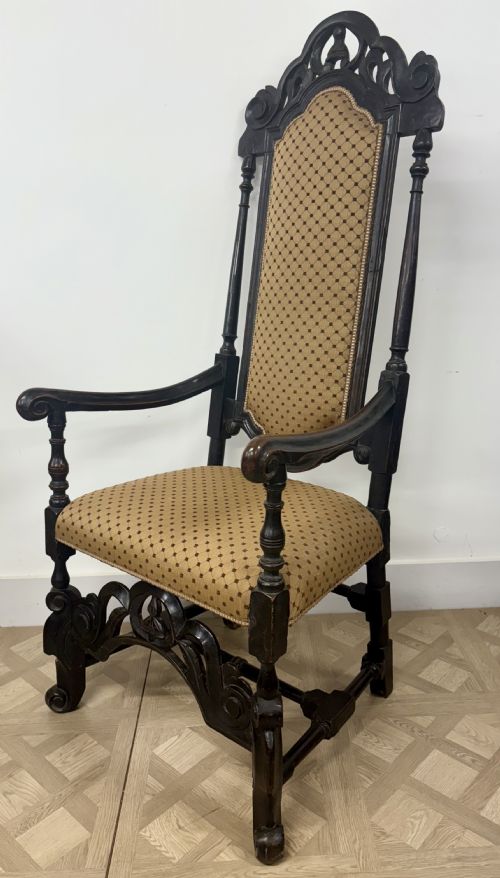
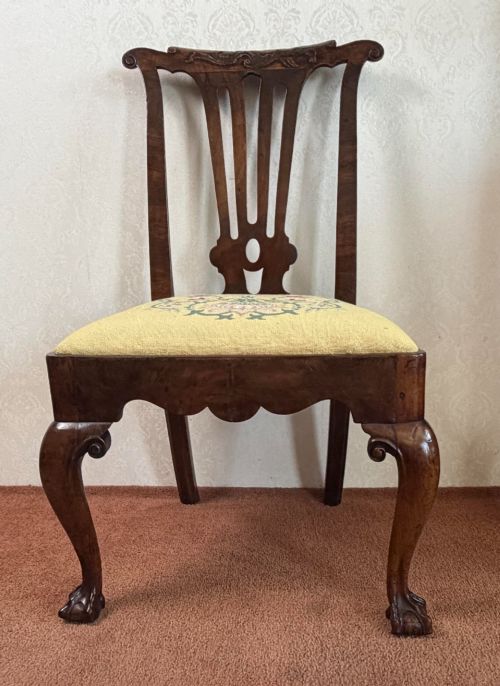
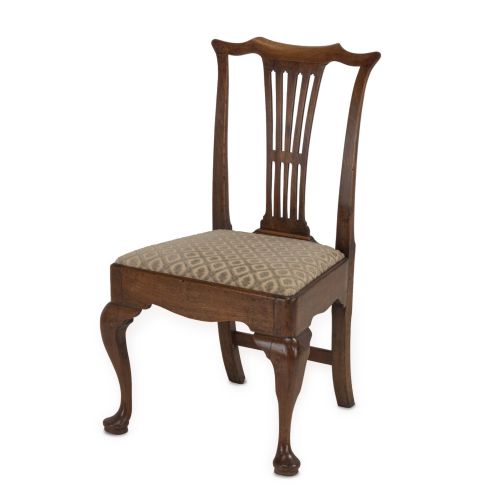
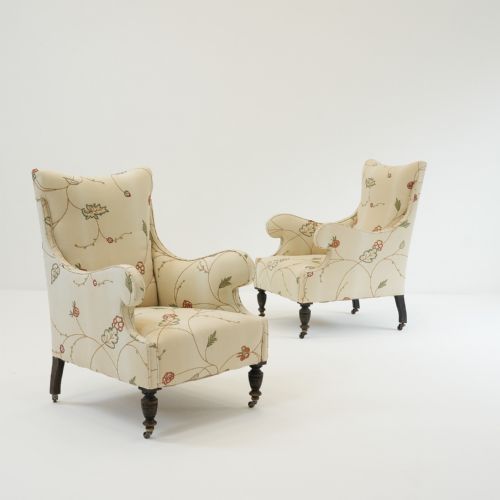
English walnut accent chairs encompass diverse seating forms from the seventeenth century through the Victorian era, including side chairs, armchairs, and desk chairs. When searching for English walnut accent chairs, buyers encounter pieces ranging from early carved high back models to later spoon back and upholstered bridge designs.
The material origins span multiple distinct decorative movements, including Queen Anne, Georgian, and Carolean styles, alongside later revivals. These chairs function historically as drawing room, bedroom, hall, or library seating, retaining their utility as standalone decorative accents.
Materials and construction
The primary structural timber is walnut, selected for its dense grain and rich tone, occasionally complemented by giltwood highlights. Frames feature traditional joinery, often supporting carved splat backs, open arms, or high backs.
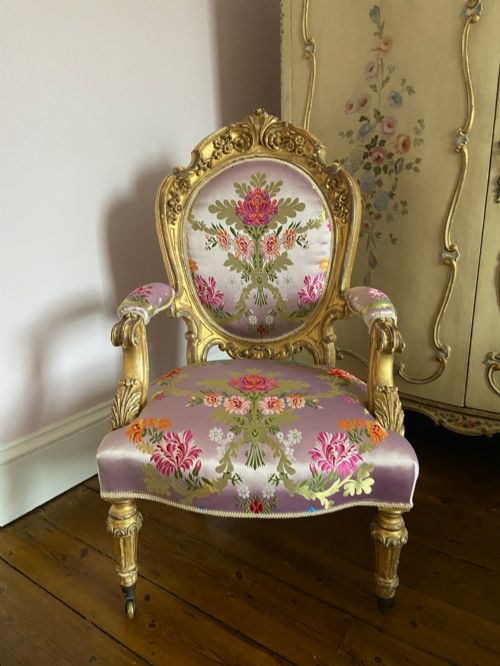
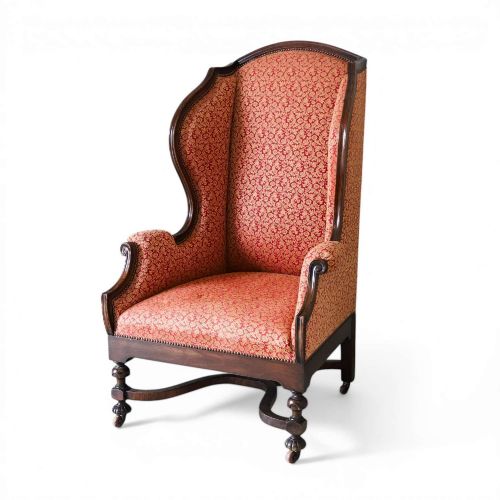
Upholstery materials recorded in the evidence include fabric, textile, tapestry, silk, crewelwork, needlepoint, and kilim. These textiles are secured to drop-in seats, buttoned backs, or sprung frames utilising brass elements where appropriate.
The listings feature walnut chairs spanning from the 17th century through the Edwardian period, utilising textile, needlepoint, and tapestry upholstery.
Judging quality in walnut seating
Quality in these chairs rests upon the crispness of the timber carving and the integrity of the walnut frame construction. Pieces displaying finely pierced splats, detailed giltwood, or substantial seventeenth and eighteenth-century framing command greater attention.
The integration of period textiles, such as original needlepoint or crewelwork upholstery, elevates a piece. The survival of maker attribution or strong provenance further distinguishes exceptional examples from standard production.
Charles Tozer·Howard and Sons·Shoolbred
The English Walnut Accent Chairs Glossary
- Splats
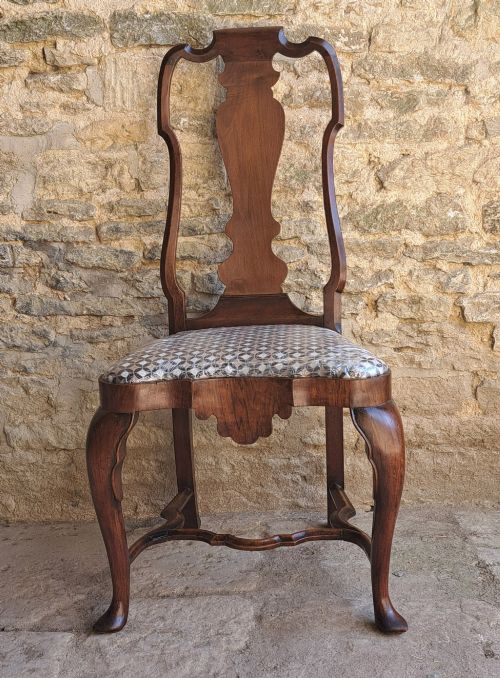
- The central vertical strip of wood in the back of a chair. Pierced splats feature decorative cut-out patterns.
- Drop-in seat
- A removable upholstered seat frame that drops into a rebate in the chair rails. This construction simplifies recovering.
- Spoon back
- An upholstered chair back shaped in a concave oval contour resembling the bowl of a spoon. This form appears frequently in Victorian seating.
- Giltwood
- Timber treated with gold leaf or gesso and gold paint. It provides decorative contrast to the darker walnut grain.
- Needlepoint
- Embroidery stitched onto a canvas mesh ground. It forms durable decorative upholstery for historic seats.
English Walnut Accent Chairs: Frequently Asked Questions
How do I identify a Queen Anne walnut chair?
Queen Anne walnut chairs typically exhibit smooth, curving lines, often featuring vase-shaped splats and cabriole legs without heavy carving.
They date primarily from the early eighteenth century and emphasise comfort through ergonomic back curves rather than ornate applied decoration.
Where should I place an antique walnut armchair?
These armchairs suit reception spaces, studies, or quiet corners where their timber frames and textile upholstery can be appreciated.
Ensure they sit away from direct sunlight and strong heat sources to protect the walnut timber and historic fabrics.
What is the difference between a side chair and an elbow chair?
Side chairs are built without arms, designed originally to be tucked against walls or around dining tables when not in use.
Elbow chairs include armrests, offering a more enclosed seat suitable for desks, dressing tables, or drawing rooms.
How do I care for antique walnut wood?
Maintain walnut frames by dusting gently with a dry cloth and occasionally applying a suitable specialist wax to nourish the grain.
Avoid liquid polishes and silicone sprays, which build up harmful residues on antique timber surfaces over time.