
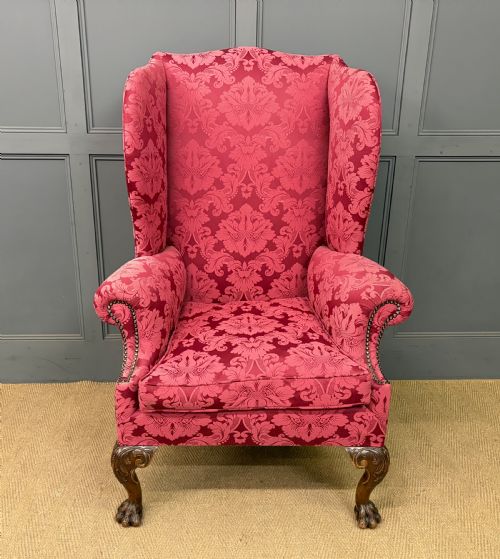


Walnut Claw Foot Chairs
Walnut claw foot chairs bring tangible centuries of craftsmanship and rich timber grain directly into your home.
Walnut Claw Foot Chairs
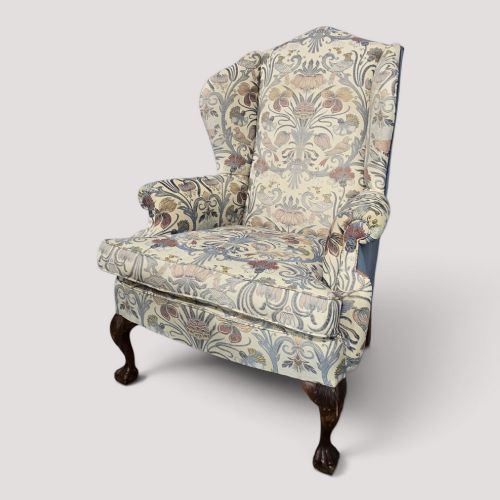
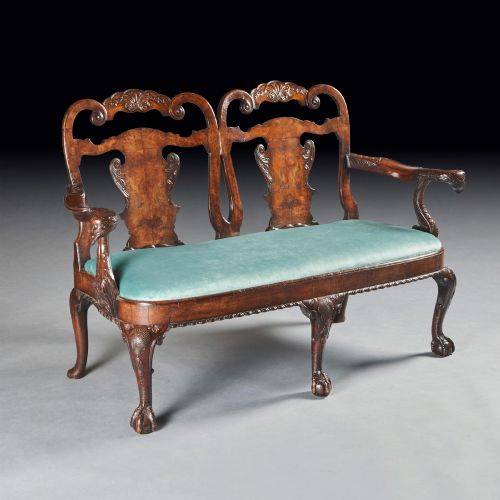
Walnut claw foot chairs encompass seating forms spanning from the eighteenth century up to the early twentieth century, including side chairs, armchairs, dining chairs, and settees. When you search for walnut claw foot chairs, you encounter pieces designed in styles such as George II, Queen Anne, Victorian, Dutch Baroque, and Italian Rococo. English, Irish, and continental workshops produced these substantial seating options using dense timber and characteristic carved supports.
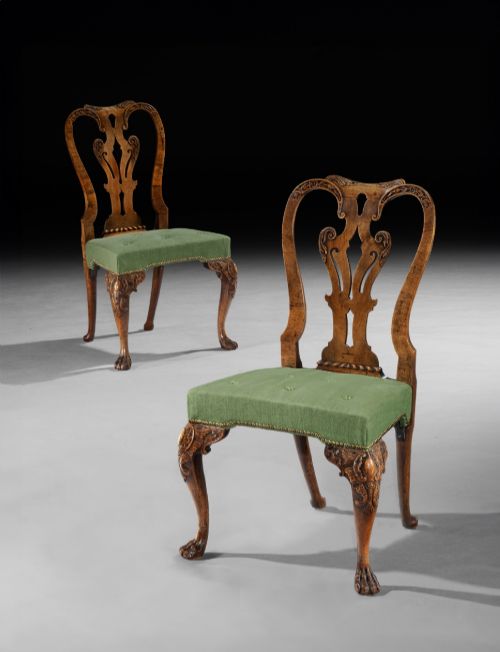
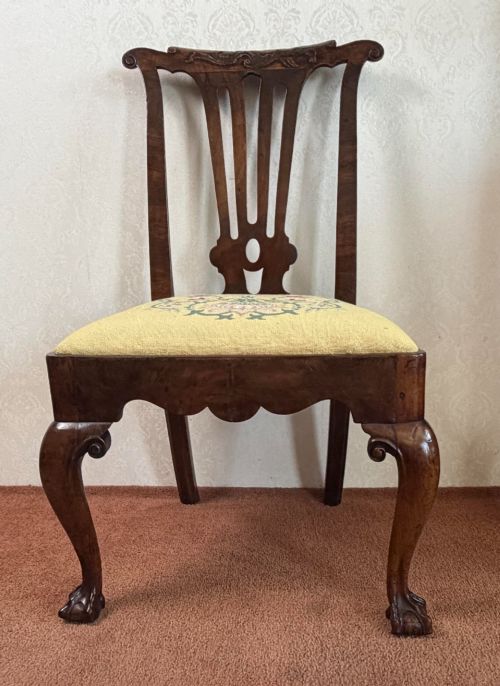
The version you most frequently meet on this page is the side chair or dining chair originating from the eighteenth century or later revival periods like the late nineteenth century. These items showcase carved wooden feet grasping a ball or similar form, paired with shaped splats and frames. Upholstery treatments range from drop-in seats to velvet, tapestry, damask, and brown leather coverings.
How they were made
Cabinetmakers constructed these frames primarily from solid walnut and occasional fruitwood, selecting timber for its rich grain patterns and structural strength. Skilled carvers shaped the distinctive claw and ball feet directly into the wood at the base of cabriole legs.
Seats utilised drop-in wooden frames or fixed webbing covered in textiles such as velvet, damask, tapestry, and leather. Secondary materials like brass occasionally appeared in hardware or structural reinforcement.
Nineteenth-century makers harboured an intense fascination with birds of prey, occasionally carving talons so fiercely realistic the chairs seem ready to stalk across the floorboards.
What varies in quality
The depth and crispness of the hand-carving on the knees and feet dictate the visual distinction of the frame. Sharp execution in the wooden claws reveals the hand of a confident artisan rather than a blunt factory cutter.
The selection of figured walnut veneers and the integrity of the joinery determine the overall longevity of the piece. Superior examples maintain tight joints and substantial timber thickness through the stiles and rails.
The Walnut Claw Foot Chairs Glossary
- Cabriole leg
- A furniture leg that bends outward in a convex curve and tapers inward in a concave curve, ending in a foot. This form mimics animal limbs and appears widely on eighteenth-century seating.
- Claw and ball foot
- A carved furniture foot depicting animal talons or claws grasping a spherical ball. This motif drew inspiration from eastern art and dominated English and continental furniture design.
- Drop-in seat
- A removable upholstered seat frame that rests upon a ledge rebated into the chair rails. It allowed easy recovering without dismantling the main structure of the chair.
- Splat
- The vertical central strip of wood within a chair back connecting the seat to the top rail. Carvers frequently shaped and pierced these elements to reflect prevailing aesthetic styles.
Walnut Claw Foot Chairs: Frequently Asked Questions
How do I date an antique walnut chair?
Examine the construction methods, tool marks, and wood patination visible on the underside and frame joints. Comparing the decorative vocabulary, such as cabriole leg proportions and foot carving, against established period styles clarifies the era of production.
Note that later revival periods from the nineteenth and twentieth centuries frequently copied earlier eighteenth-century designs. Hardware, secondary timbers, and wear patterns help distinguish original period pieces from later interpretations.
Are these chairs suitable for daily dining?
Many of these sturdy wooden forms retain the structural integrity required for regular daily use around a dining table. Checking the rigidity of the frame and the condition of the joints ensures safe seating.
Upholstered components like drop-in seats or leather pads can handle standard sitting when maintained properly. Periodic inspection of the wooden feet prevents undue stress on the carved elements.
What is the difference between side chairs and armchairs?
Side chairs feature a back and seat without armrests, designed originally to stand against a wall when not in use around a table. Their compact frame width suits placement in pairs or larger matching sets.
Armchairs incorporate structural arm supports flanking the seat, offering a more commanding seating presence. Workshops typically produced these individually or as conversational counterparts to a larger suite of side chairs.
How should I care for antique walnut wood?
Maintain stable indoor humidity levels to prevent the walnut timber from drying out, shrinking, or cracking over time. Avoid placing furniture in direct sunlight or near direct heat sources.
Apply a conservative coat of microcrystalline wax periodically to nourish the surface polish and protect the timber grain. Gentle dusting with a dry cloth prevents abrasive particle accumulation on carved details.