
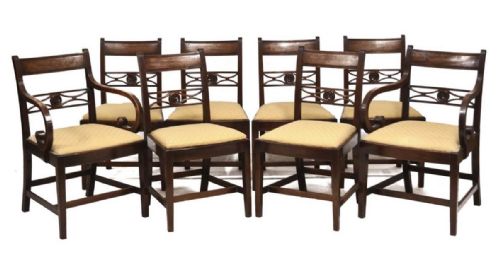
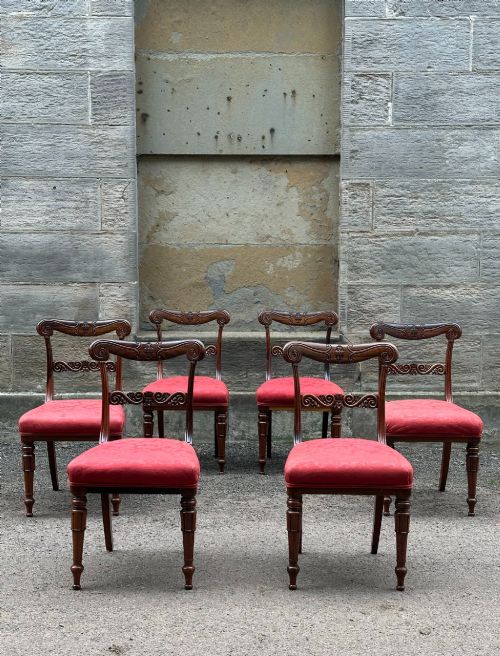
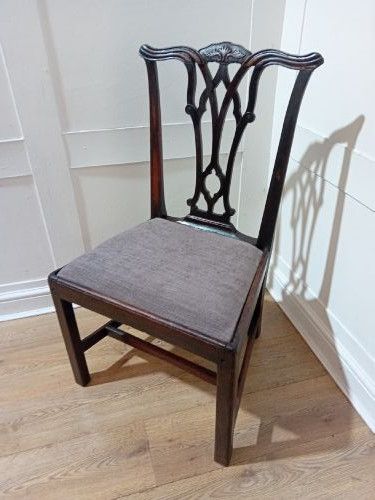
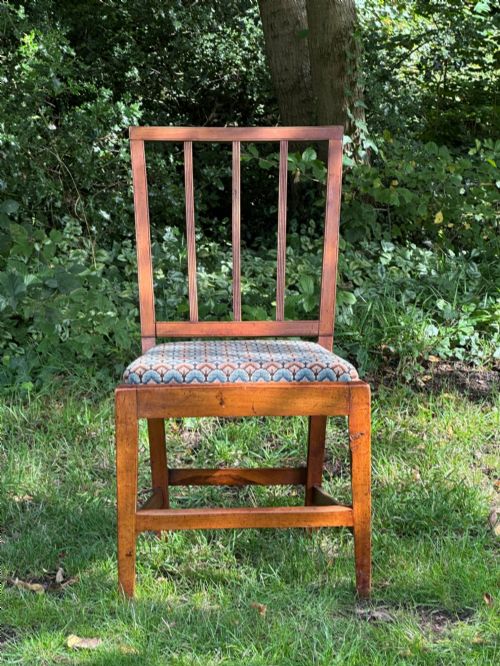
George I Side Chairs
George i side chairs bring early eighteenth-century seating into modern interiors through robust walnut construction and disciplined proportion.
George I Side Chairs
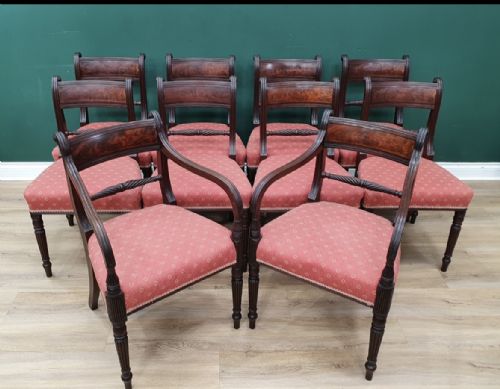
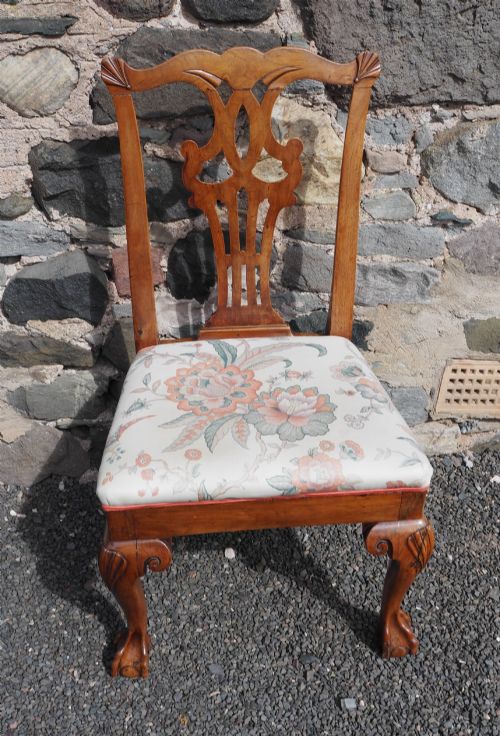
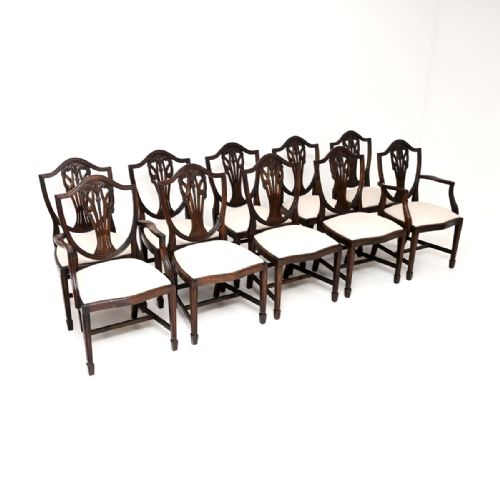
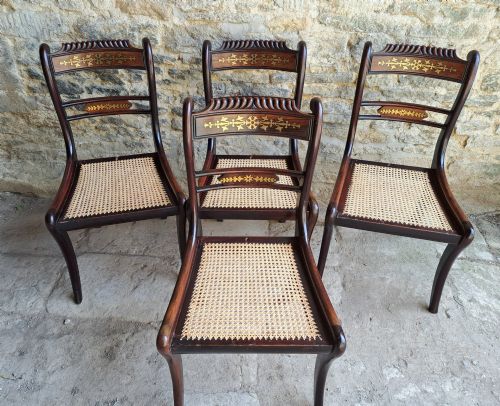
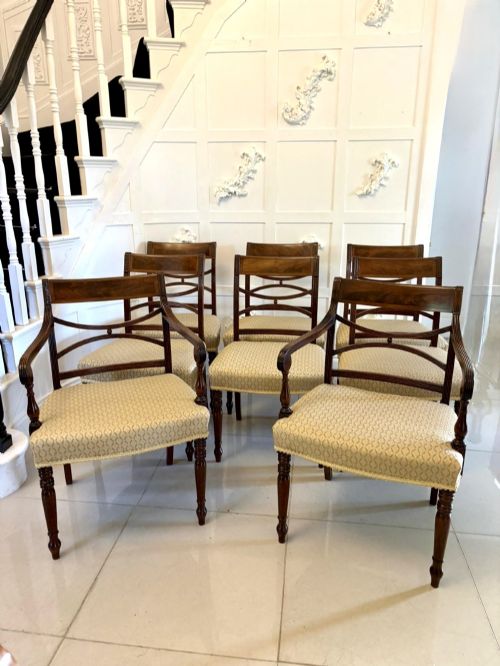
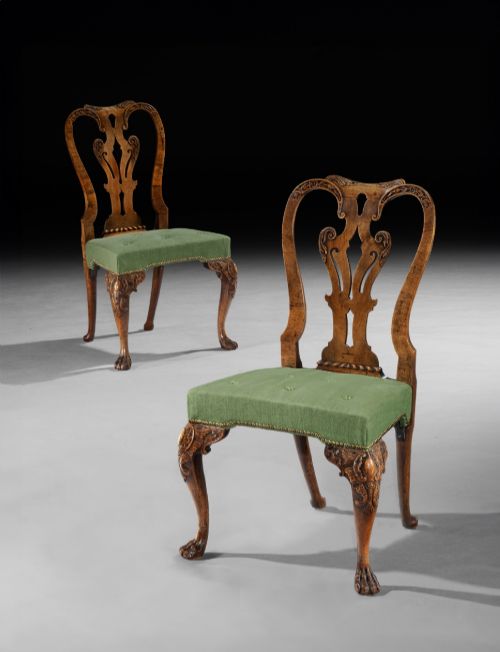
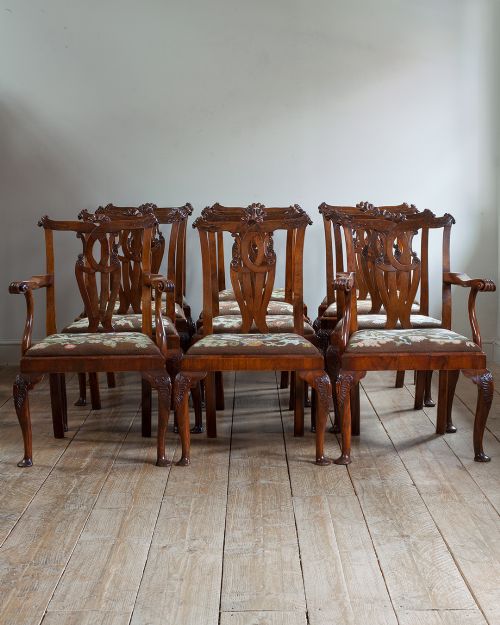
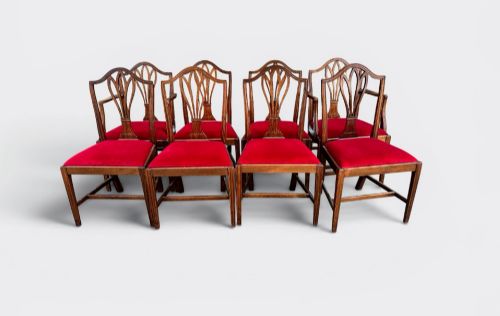
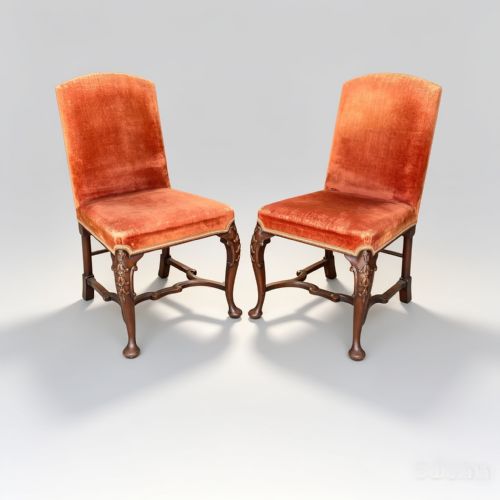
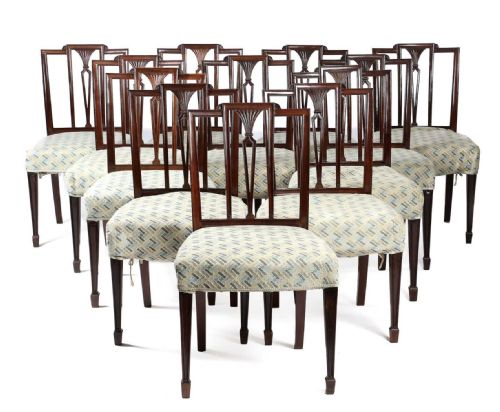
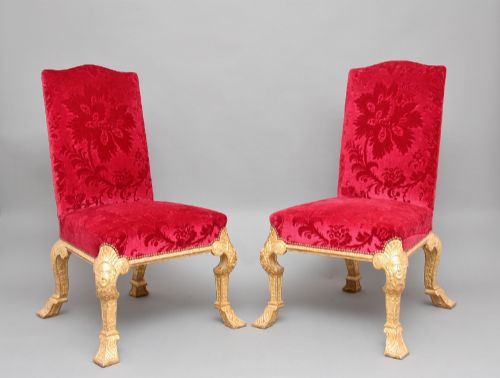
George i side chairs are seating pieces originating from the early eighteenth century, constructed primarily in walnut and elm. These forms frequently appear as pairs or larger sets, featuring low backs and cabriole legs.
Buyers also encounter later reproductions built in the style, dating to the nineteenth and twentieth centuries. Original pieces from the period remain distinct through timber density and period joinery methods.
Materials and Construction
Cabinetmakers utilised solid walnut, elm, and occasionally mahogany for framing, shaping timber into cabriole legs and supportive splats. Joinery relied on traditional mortise and tenon methods to secure structural integrity without metal fixings.
Seating areas were upholstered in fabrics such as silk, leather, or horsehair, secured with brass tacks. Wood surfaces received hand-rubbed finishes that accentuated the natural grain of the timber.
Some early chairs retain horsehair stuffing that faithfully crinkles when someone sits down.
Factors of Quality
The degree of hand-carving on the knees and splats dictates the visual tier of the piece. Crisp lines in the wood indicate skilled execution by the maker.
Timber selection and original surface patination distinguish superior examples from standard output. Retaining early upholstery foundations or period secondary woods elevates the standing of a chair.
Gillows·Seddon and Co·Robert Mainwaring
The George I Side Chairs Glossary
- Cabriole leg
- A furniture leg that bends outward in a convex curve and tapers inward in a concave arc, mimicking an animal's leg. This form dominates seating designs from the early eighteenth century.
- Splat
- The vertical central strip of wood down the back of a chair. It provides lumbar support and often displays decorative carving or grain patterning.
- Elm
- A resilient hardwood utilised in regional and country furniture making. Its interlocking grain resists splitting under structural stress.
- Walnut
- A dense, dark timber favoured for high-status furniture during the reigns of the early Georges. It accepts intricate carving while maintaining structural strength.
- Slip seat
- A removable drop-in seat frame that fits into the chair chassis. This allowed easy reupholstering without disturbing the main wooden structure.
George I Side Chairs: Frequently Asked Questions
How do I spot an original George I chair?
Examine the timber species, joinery construction, and surface wear for indicators of eighteenth-century origin. Walnut and elm pieces from this era exhibit hand-cut joints and distinct patination.
Compare the proportions and carving depth against documented examples from the period. Later style pieces often reveal standardised machine tooling rather than manual hand-shaping.
What rooms suit these antique chairs?
These seating pieces function well as occasional dining chairs or accent items in studies and hallways. Their compact scale allows them to fit into traditional and contemporary interior layouts alike.
Pairing them with simple tables prevents visual crowding and highlights the carved details of the wooden frames. Protect the antique timber by placing furniture away from direct heat sources.
Are these chairs comfortable for daily use?
Early seating designs prioritize upright posture over deep cushioning. The low wooden backs and firm slip seats encourage an attentive sitting position.
Modern users often add discreet support or rely on them as accent seating rather than primary lounging chairs. The historic upholstery materials require gentle treatment during daily interaction.
Why buy a pair instead of a set?
Pairs offer decorative symmetry for placement flanking a fireplace, console table, or doorway. Complete sets from the early eighteenth century survive in smaller numbers and command specialised attention.
Acquiring matching pairs provides the aesthetic impact of period design without the complexity of sourcing a large uniform dining set.