
Georgian Walnut Accent Chairs
These georgian walnut accent chairs combine rich timber with period form to anchor a room.
Georgian Walnut Accent Chairs
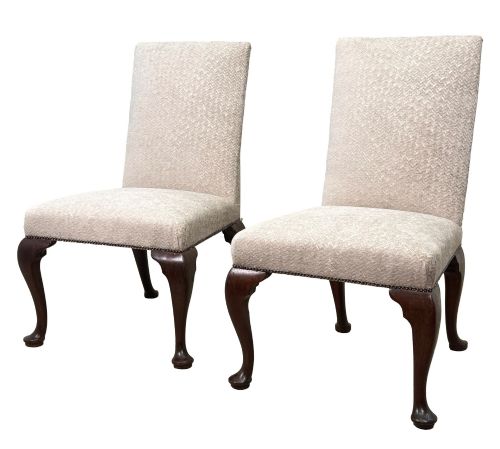
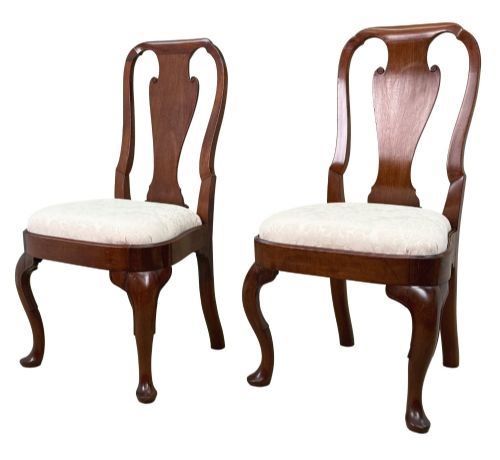
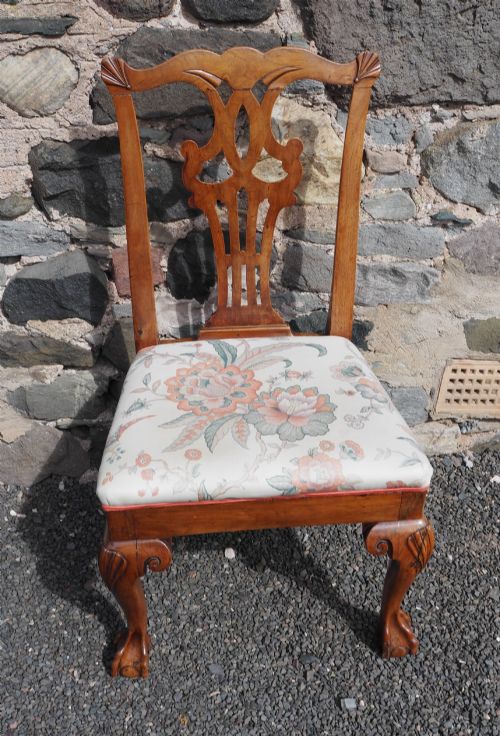
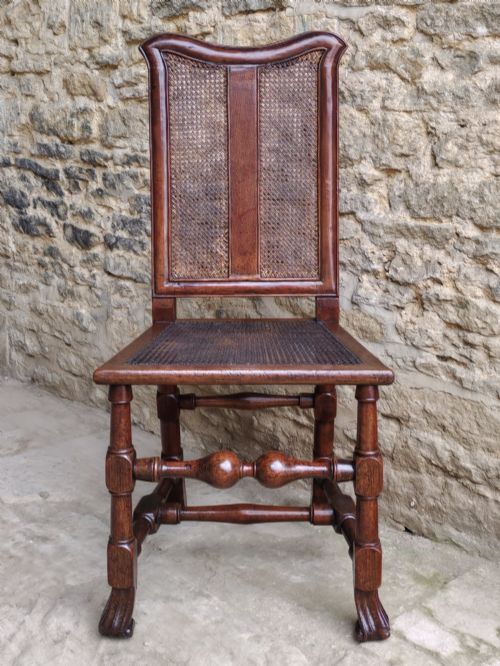
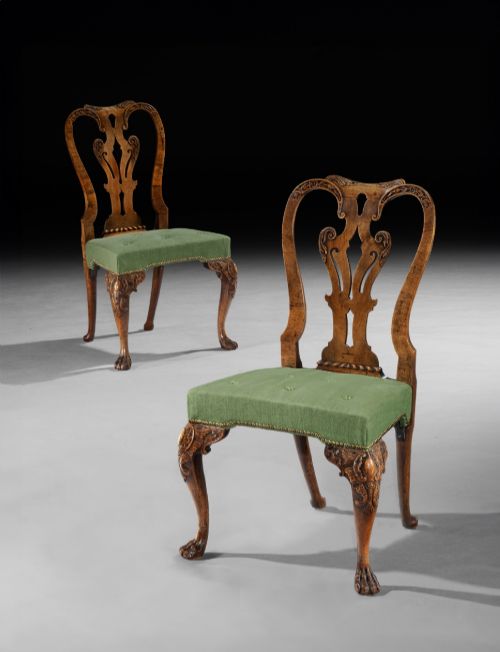
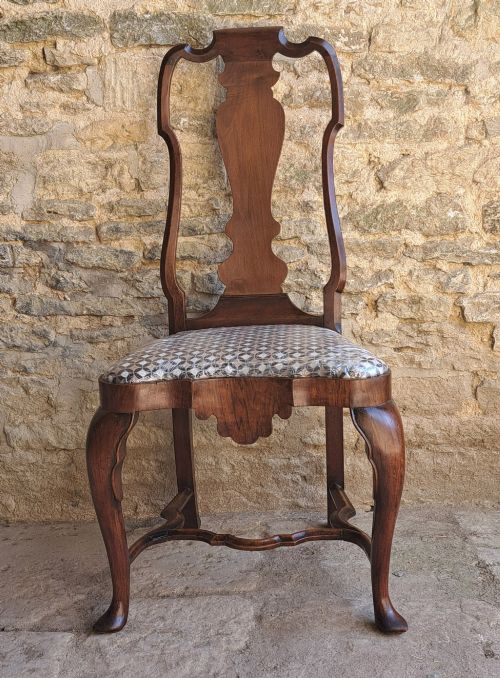
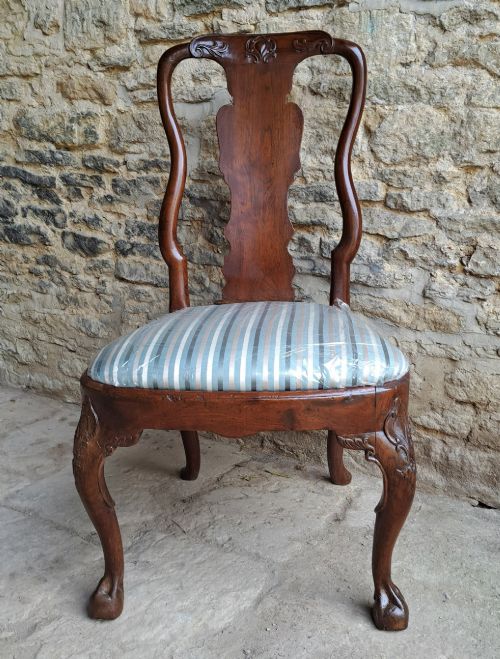
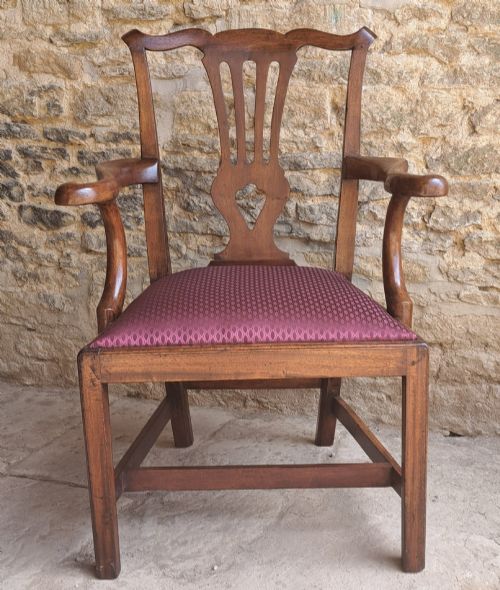
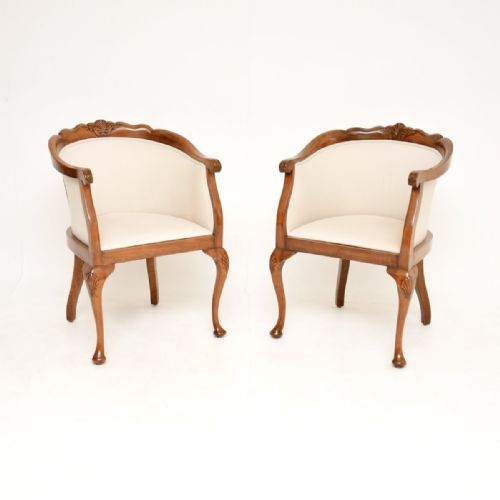
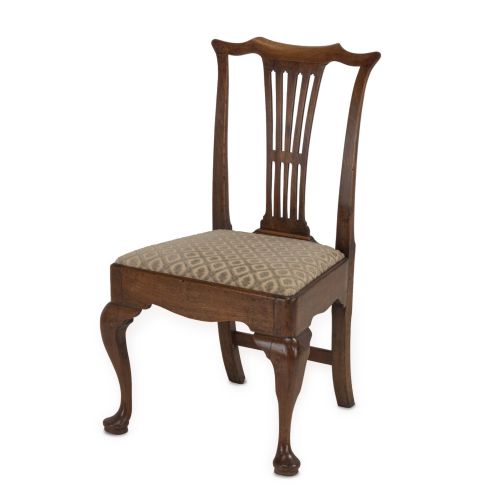
When you search for georgian walnut accent chairs, you encounter seating fashioned from dark figured timber across the eighteenth century and later revivals. The selection ranges from early examples built under Queen Anne and George I to mid-century George II designs with carved cabriole legs.
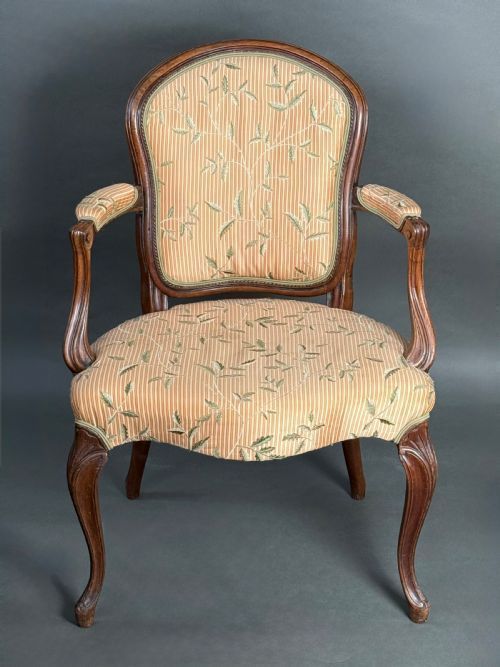
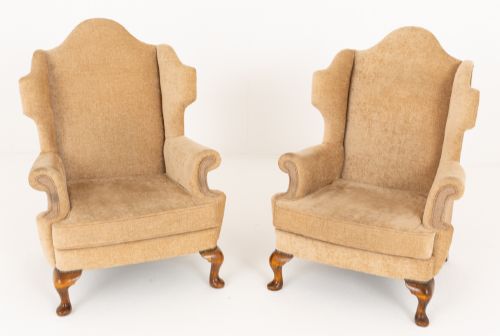
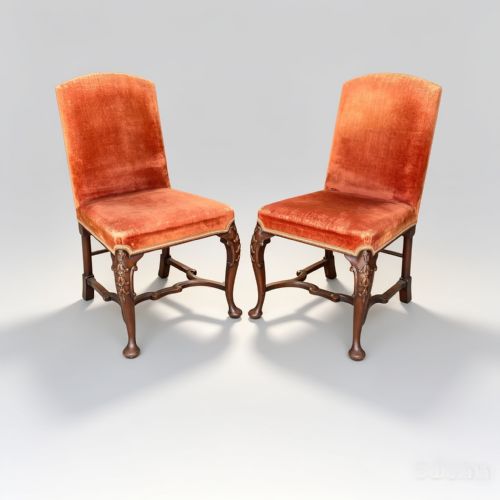
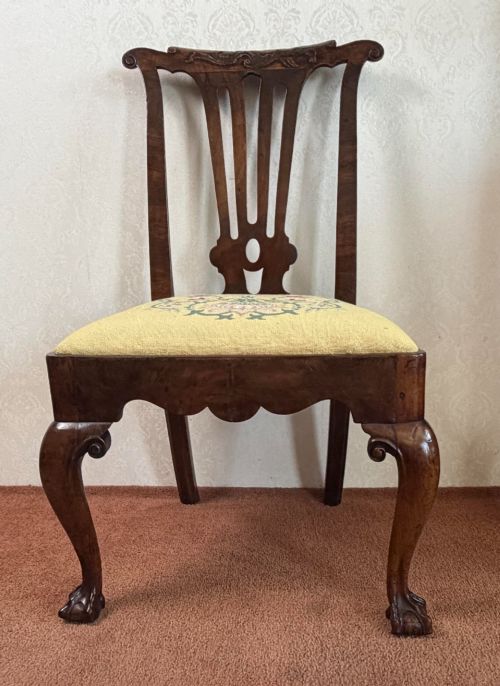
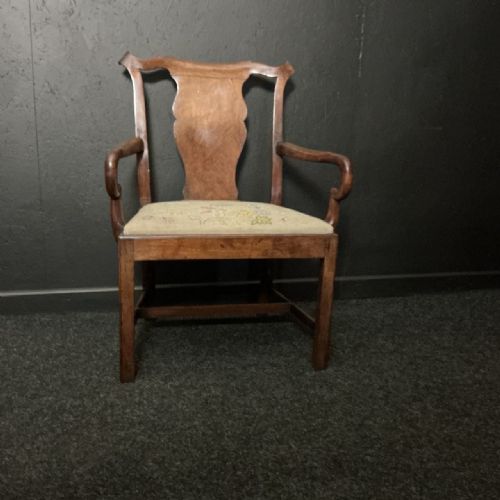
Side chairs and open armchairs dominate the listings, alongside corner chairs and high-backed forms upholstered in needlepoint, tapestry, or silk. Pieces span the 1700s alongside later nineteenth- and twentieth-century interpretations influenced by earlier reigns.
How they were made
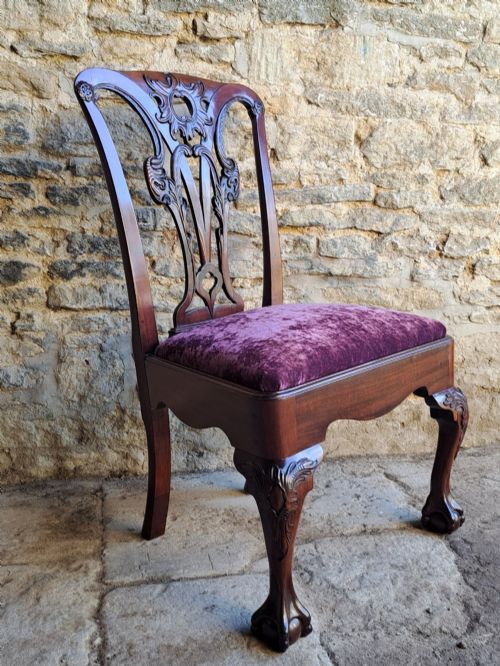
Cabinetmakers utilised solid walnut and red walnut, sometimes incorporating burr walnut veneers over secondary woods to create figured grain patterns across splats and frames. Frames feature carved details such as cabriole legs terminating in scroll or claw feet, joined by stretchers on earlier models.
Upholstery relies on traditional stuffing secured over drop-in seats or fixed frames, finished with historical textiles including gros point needlepoint, velvet, and patterned silk.
What varies in quality
The degree of crispness in the wood carving separates standard seating from exceptional examples, particularly on cabriole knees and pierced splat backs. Timber selection also dictates grade, with dense grain and rich natural patination marking out superior construction.
Proportion and structural integrity define the architectural merit of each chair, distinguishing pieces that retain their original timber frames and classical balance from heavily altered examples.
William Morris
The Georgian Walnut Accent Chairs Glossary
- Cabriole leg
- A furniture leg that curves out and tapers inward, imitating an animal's curving leg. This form appears frequently on chairs from the reigns of Queen Anne and the early Georges.
- Drop-in seat
- A removable wooden frame upholstered separately and dropped into a ledge within the chair seat rails. It allowed easy reupholstering without dismantling the main structure.
- Pierced splat
- A vertical central strip of wood within the backrest that has been cut through to create an open pattern. This technique lightened the visual weight of mid-century chairs.
- Needlepoint
- Hand-stitched embroidery executed on canvas using wool or silk yarn. It frequently survives on period seats and back panels.
Georgian Walnut Accent Chairs: Frequently Asked Questions
How do I identify a George II walnut chair?
Look for characteristic cabriole legs, often featuring carved shell motifs on the knees, alongside shaped backs with solid or pierced splats.
These pieces typically date from the mid-eighteenth century and display warm walnut grain with substantial frame construction.
What is the difference between a side chair and an armchair?
Side chairs are built without armrests, designed originally to stand against walls or around dining tables when not in use. Armchairs include structural supports for the arms, offering a wider seat and a more commanding presence.
Both forms utilise similar walnut framing techniques and period stylistic details.
Are revival chairs considered period antiques?
Revival pieces date to later eras, such as the late nineteenth or early twentieth century, but consciously replicate eighteenth-century forms and walnut materials. Listings include both authentic period items and these later interpretations.
Examining construction methods and timber ageing helps clarify the exact age of each chair.
How should I care for antique walnut wood?
Keep walnut furniture away from direct sunlight and heat sources to prevent the timber from drying out or splitting. Apply traditional wax polish sparingly to maintain the natural finish and protect the surface patina.
Avoid commercial liquid cleaners that can strip historical finishes.