


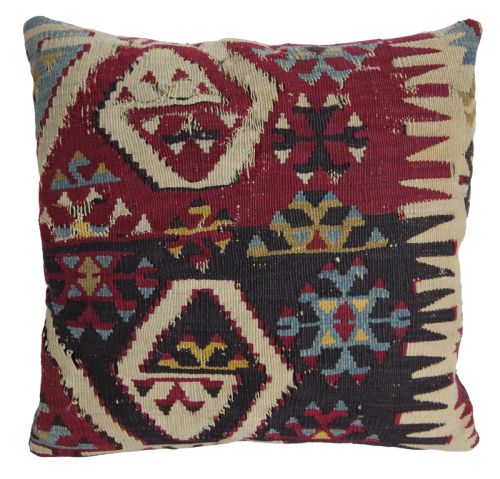


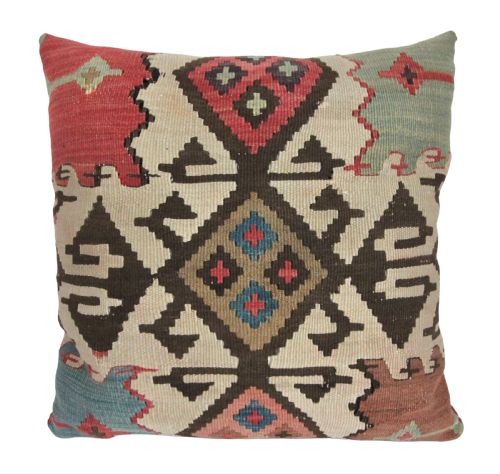
Geometric Tribal Pillow Cover
A geometric tribal pillow cover brings authentic nomadic heritage into a room through bold patterns and rich historical textures.
Geometric Tribal Pillow Cover
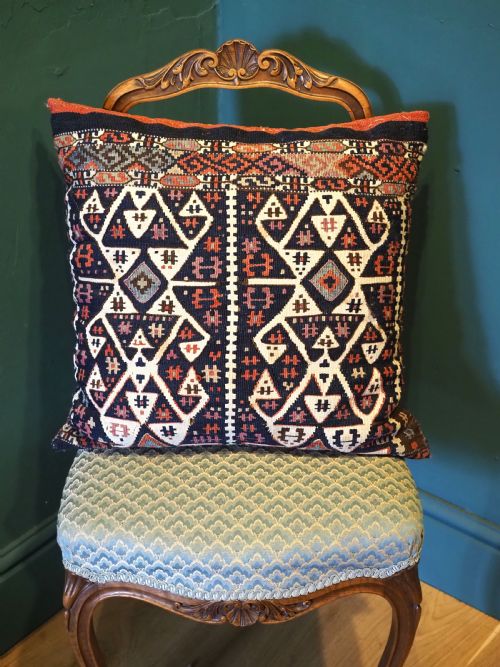
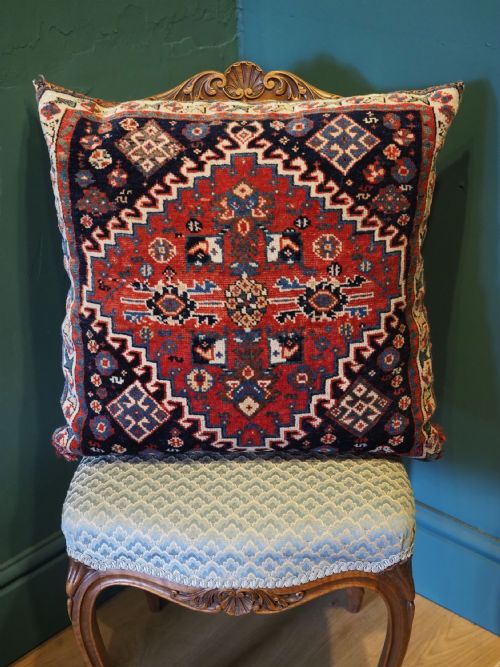
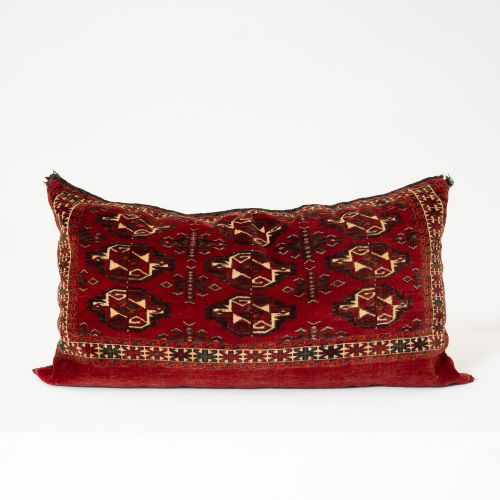
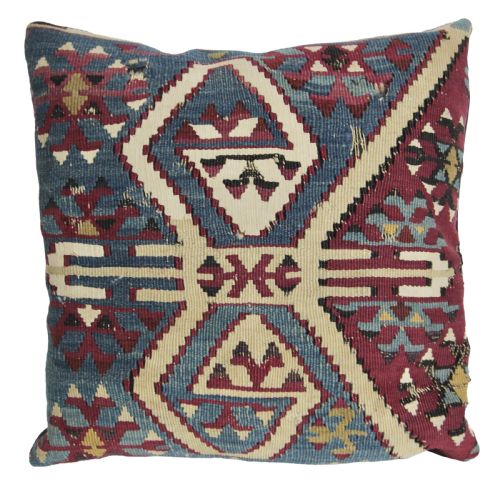
A geometric tribal pillow cover transforms antique nomadic textiles into functional home furnishings. When exploring this selection, buyers encounter pieces fashioned from antique saddlebags, bag faces, and kilims rather than modern factory-made reproductions.
The objects originate from diverse regional groups across Anatolia, Persia, and the Caucasus. Common forms include fragments of Qashqai, Turkmen, Shahsevan, and Baluch weavings adapted into throw cushions and soft furnishings.
Dated examples spanning the mid-nineteenth century to the early twentieth century appear frequently. These range from Malatya kilims and Kurdish bag cushions to Khamseh and Anatolian tribal textile pieces.
What varies in quality
Quality rests in the integrity of the original tribal weaving and the precision of the geometric design. Finer pieces display tighter knotting or crisper flatweave structure alongside more sophisticated chromatic balance.
The preservation of the antique textile surface dictates distinction. Examples retaining strong structural integrity in the wool and vibrant natural dye saturation stand apart from heavily worn fragments.
The selection includes various regional forms, ranging from Anatolian kilim cushions to Qashqai and Shahsevan saddlebag faces.
The Geometric Tribal Pillow Cover Glossary
- Kilim
- A flatwoven textile produced without a pile. These pieces form the structural basis for many traditional cushions.
- Saddlebag
- A utilitarian bag woven in pairs for transport on animals. Sections of these bags are frequently repurposed into pillow covers.
- Bag face
- The decorative front panel of a nomadic storage bag. These panels provide the primary visual motifs for many antique cushions.
- Natural dye
- Colour derived from plant, insect, or mineral sources prior to the widespread adoption of synthetic alternatives. These dyes age with distinct depth.
- Flatweave
- A textile technique created by interweaving warp and weft threads without knotted pile. This method defines traditional kilims and bag faces.
Geometric Tribal Pillow Cover: Frequently Asked Questions
What is a geometric tribal pillow cover?
A geometric tribal pillow cover is created by repurposing antique hand-woven textiles like kilims, saddlebags, and bag faces made by nomadic groups. These covers turn historic fragments into functional cushions.
Such pieces combine traditional motifs with the character of nineteenth and early twentieth-century village weaving. They offer a direct link to historical textile traditions.
How do I style a tribal pillow cover at home?
These cushions work well as accent pieces on sofas, armchairs, or beds. Their strong geometric patterns complement both neutral modern spaces and traditional room schemes.
Pairing different regional styles adds textural depth to a seating area. The rich colours of natural dyes help anchor other decorative elements in a room.
How can I tell the age of these covers?
Age is determined by examining the materials, construction methods, and dye types used in the underlying textile. Hand-spun wool and specific natural dye palettes point towards nineteenth and early twentieth-century production.
Structural details such as flatweave tightness and regional weaving characteristics also help establish the historical period. Documentation of the original bag type provides further context.