




Geometric Tribal Persian Carpet
A geometric tribal persian carpet brings distinct village character and enduring patterns into a room, connecting modern spaces to traditional hand-knotting heritage.
Geometric Tribal Persian Carpet
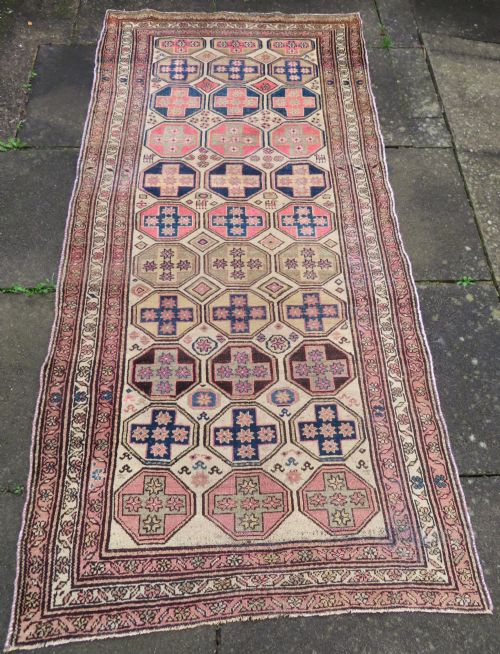
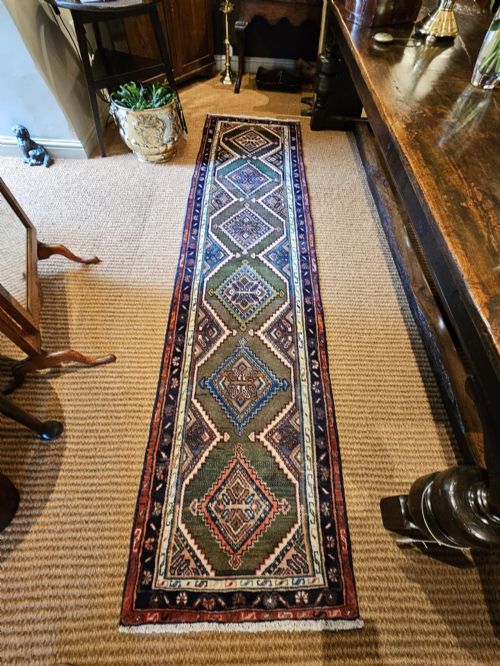
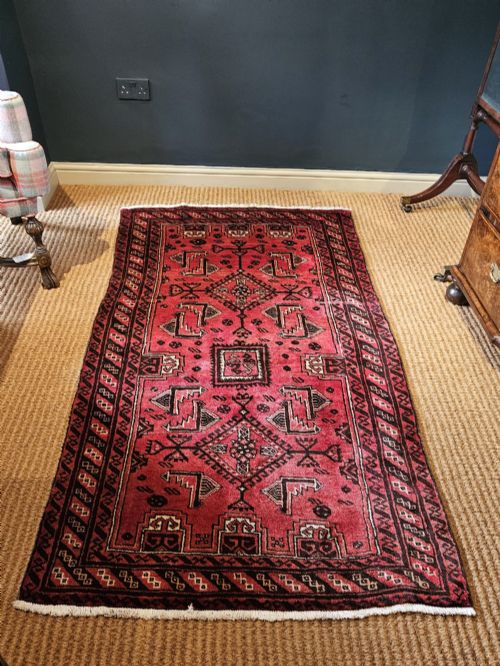
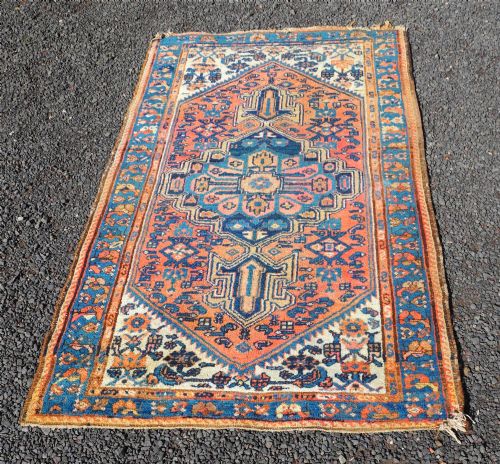
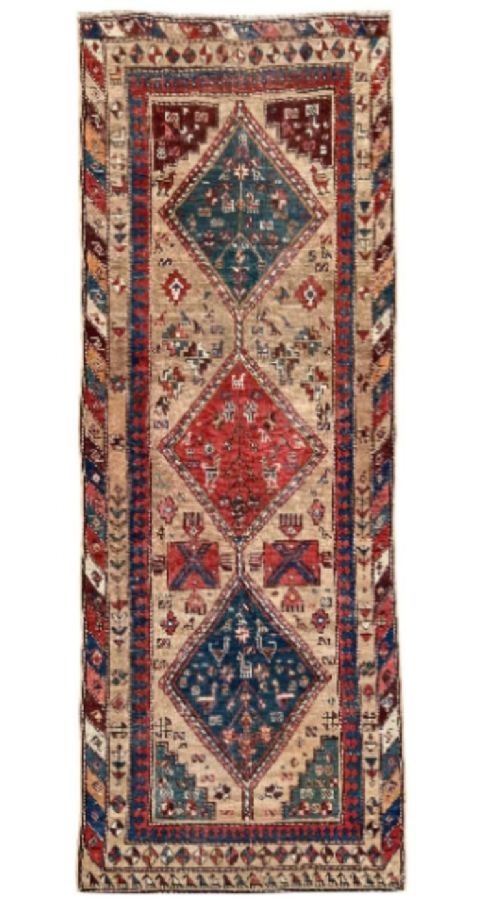
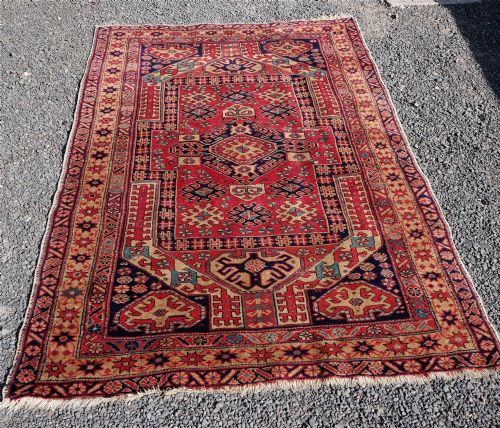
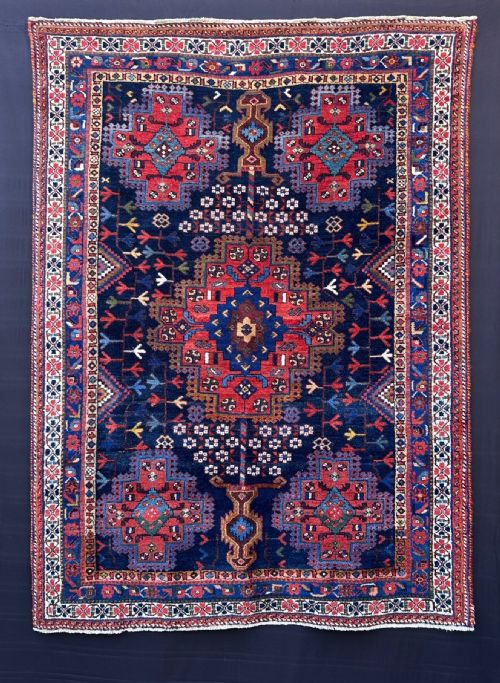
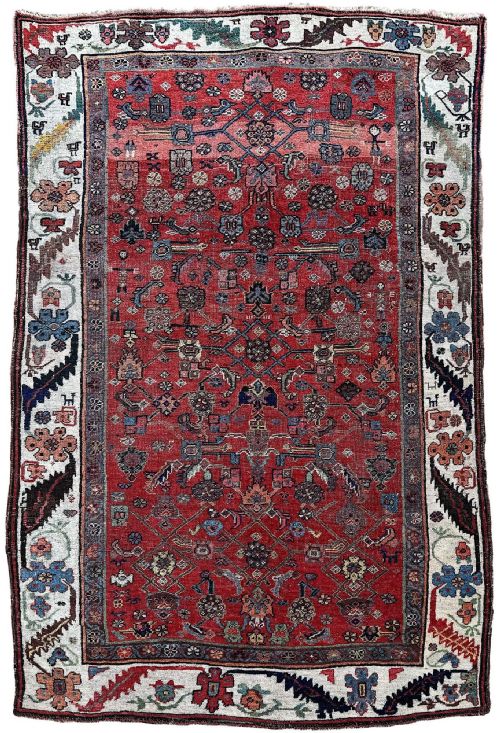
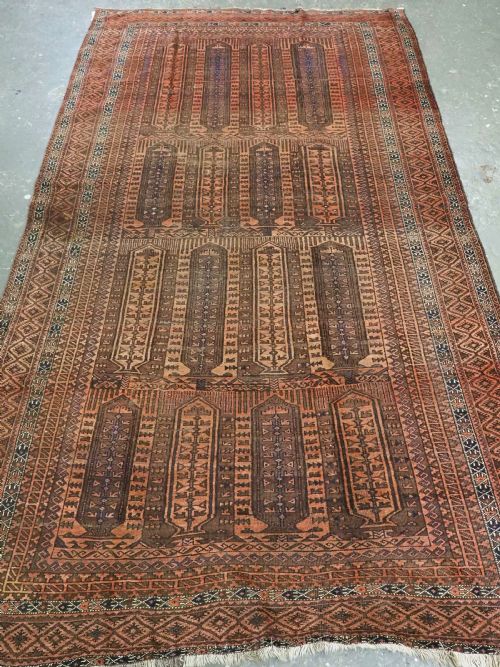
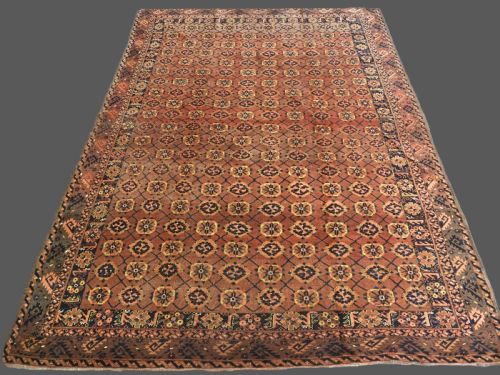
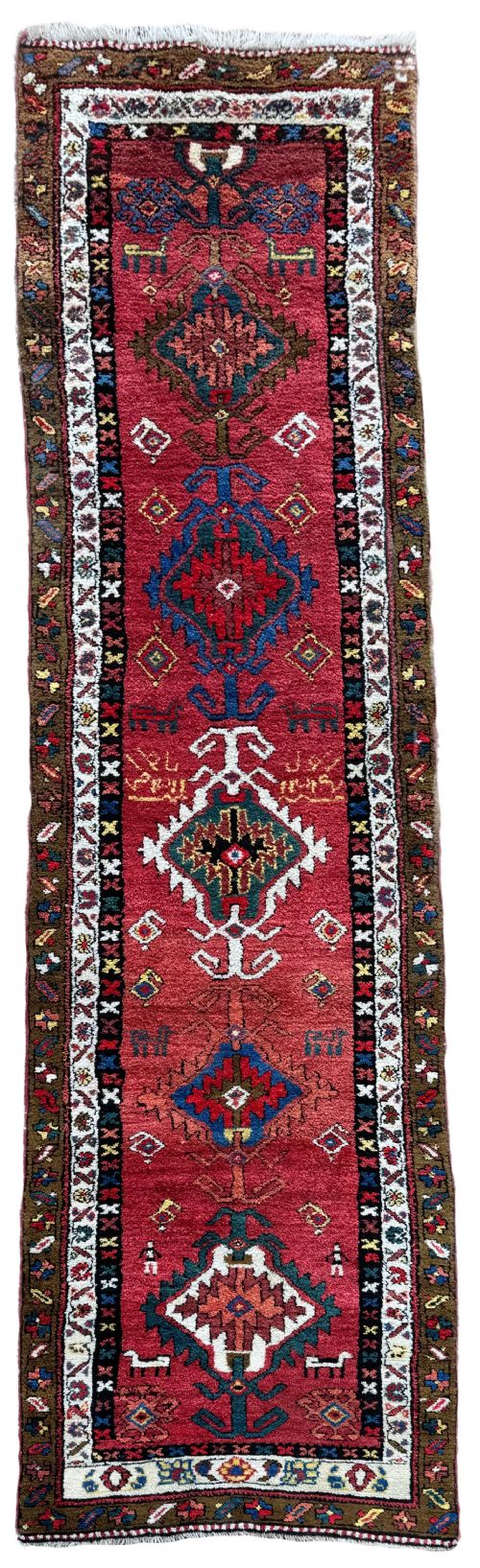
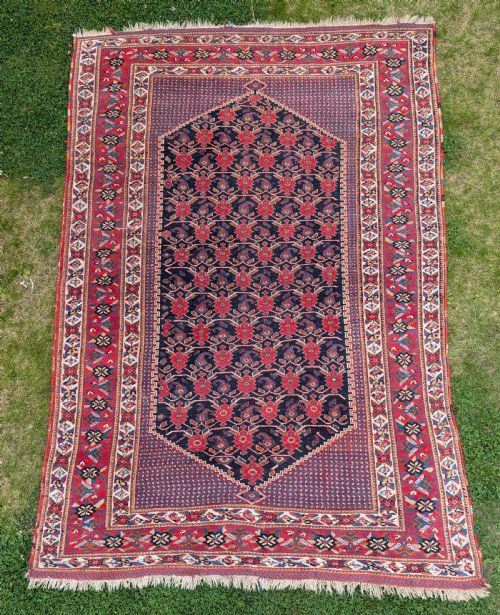
A geometric tribal persian carpet encompasses village and nomadic floor coverings originating from various regional weaving traditions. Buyers searching for a geometric tribal persian carpet encounter items spanning from the nineteenth century through the mid-twentieth century, including runners, village rugs, and compact scatter formats.
The selection ranges from Kurdish and Khamseh pieces to Afshar, Bidjar, Heriz, and Baluch examples. These textiles display distinct regional motifs, often combining rectilinear medallions with repeat lattice patterns or repeated tribal guls.
Materials and construction
Weavers relied principally on wool, pure wool, and hand-spun wool, frequently utilising cotton foundations for structure and stability in larger formats like runners and carpets. Certain pieces incorporate camel hair within the pile or borders, adding a natural variation in tone and texture.
Makers applied natural dyes to colour the wool, producing deep reds, olive greens, and navy blue backgrounds that age with characteristic depth. Hand-knotting techniques bound the dense pile tightly to the warp and weft threads, creating durable floor coverings designed for everyday use.
Alongside large floor coverings, the selection includes a miniature saddle bag cushion woven by Qashqai nomads.
Assessing quality
Quality rests upon the fineness of the knotting and the precision of the rectilinear layout. Tighter construction yields crisper angles within the medallions and lattice work, separating standard village productions from finer urban or tribal workshop pieces.
The richness and stability of the natural dyes influence visual depth across the surface. Uniformity in wool preparation and spinning contributes to a resilient pile that maintains its integrity through decades of domestic placement.
Ersari Beshir Turkmen·Shahsavan·Gendje
The Geometric Tribal Persian Carpet Glossary
- Gul
- A repeating medallion or octagonal motif often found in tribal and village weaving traditions. These stylized ornaments frequently serve as the primary design element across nomadic carpets.
- Medallion
- A central ornamental motif set in the middle of the field. In these rugs, medallions typically take sharp, geometric, or rectilinear forms rather than floral curves.
- Lattice
- An open network pattern formed by intersecting diagonal lines or straps that create a repeating grid across the field. This geometric framework often encloses smaller floral or tribal motifs.
- Runner
- A long, narrow carpet format traditionally suited for hallways, corridors, or alongside furniture. These rectangular pieces scale down the complex medallion designs of larger main carpets.
- Warp
- The vertical foundation threads stretched tightly on the loom before knotting begins. The visible fringes at either end of the rug are the secured extensions of these structural cords.
Geometric Tribal Persian Carpet: Frequently Asked Questions
How do I identify a tribal rug?
Look for rectilinear motifs, geometric medallions, and stylized animal or plant forms rather than intricate curves. Tribal weavers relied on memory and traditional regional patterns passed down through generations.
Materials also offer clues, as many older pieces utilise hand-spun wool and natural dyes that yield softer, more varied hues across the field.
Where were these carpets used?
Nomadic and village weavers produced these textiles for practical domestic life, utilising them as floor coverings, sleeping mats, and saddle bags. Their durable wool construction suited heavy use in tents and rural homes.
Today, buyers place them in hallways, living rooms, and studies where their narrow runner formats or compact dimensions fit specific architectural layouts.
How do I care for an antique rug?
Vacuum gently using suction attachment without the rotating brush bar to protect the hand-knotted pile and delicate fringe ends. Professional cleaning by specialists in antique textiles prevents dye bleeding and fibre degradation.
Keep the carpet out of direct, prolonged sunlight to preserve the natural dyes and prevent fading across the wool surface over time.
What is the difference between a rug and a carpet?
Scale and terminology typically separate the two designations, with larger formats historically termed carpets and smaller pieces called rugs. Both share identical hand-knotting techniques and wool construction methods.
Runners represent a distinct subcategory defined by their elongated proportions, designed specifically for narrow spaces like hallways and landings.