



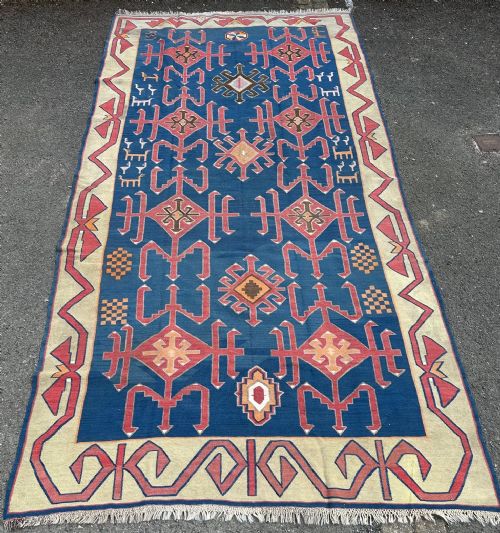


Geometric Flatweave Rug
A geometric flatweave rug brings tribal patterns and crisp angular motifs into a room through historical woven textiles.
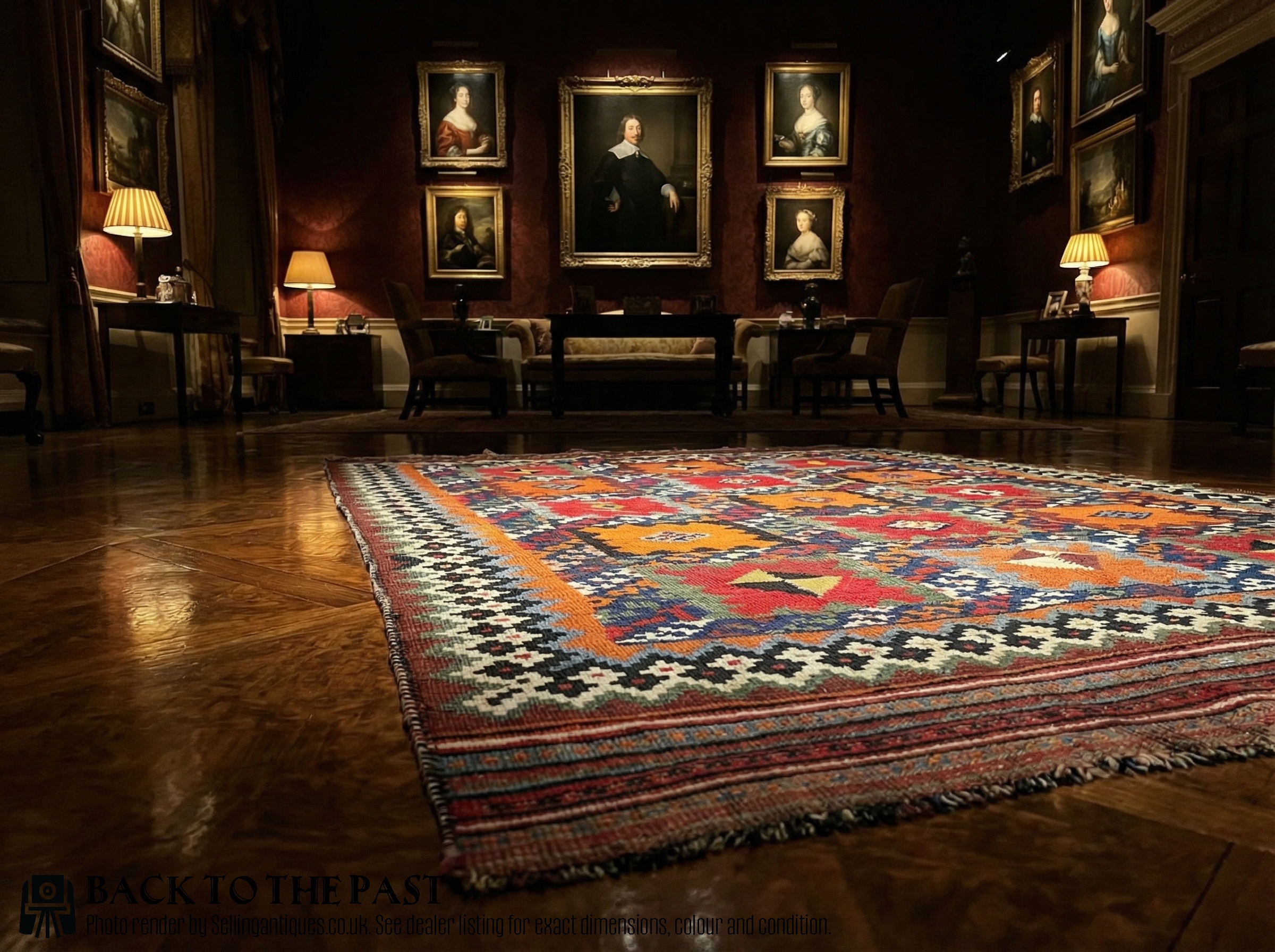
Geometric Flatweave Rug
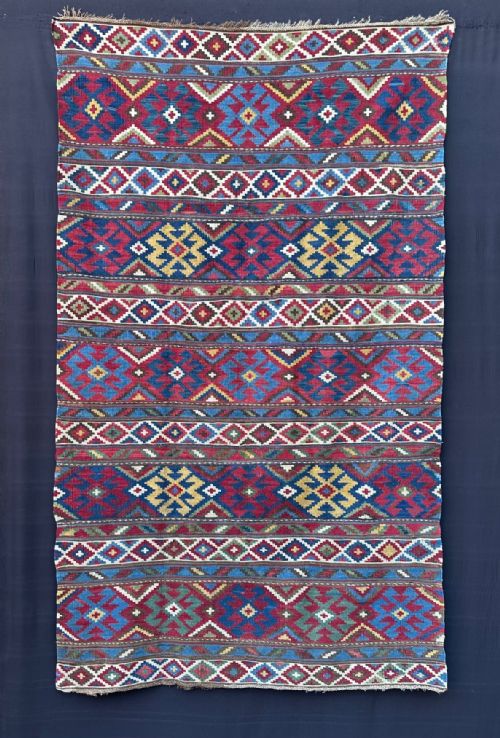
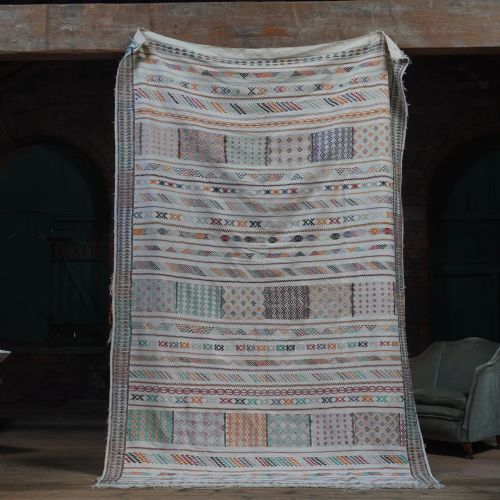
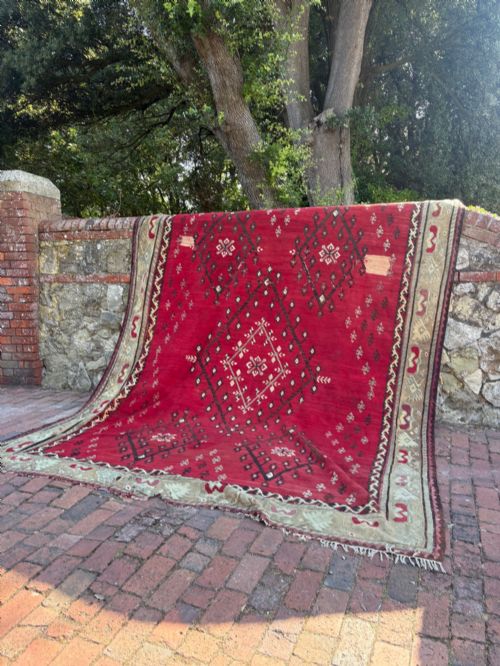
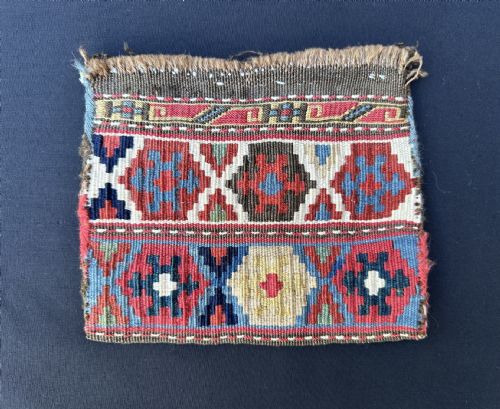
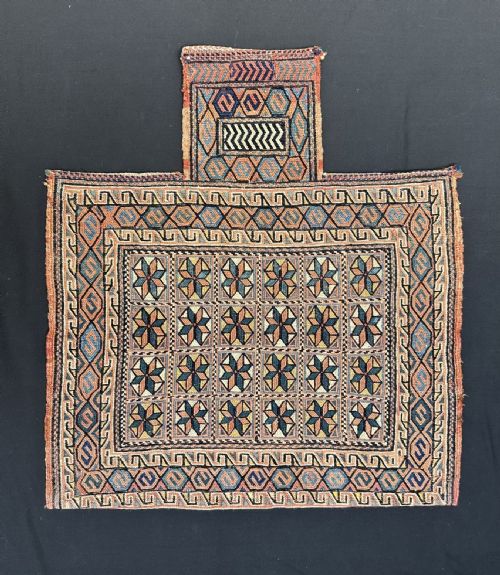
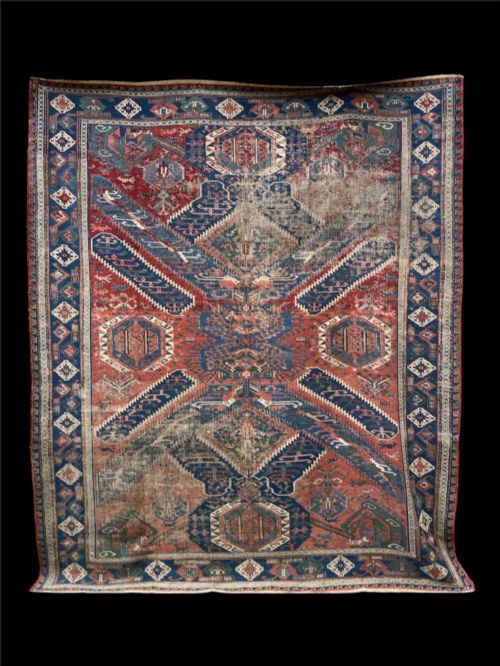
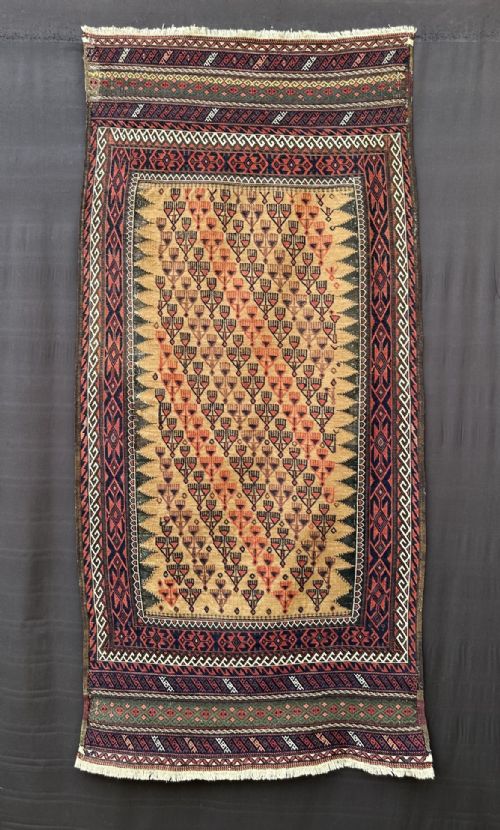
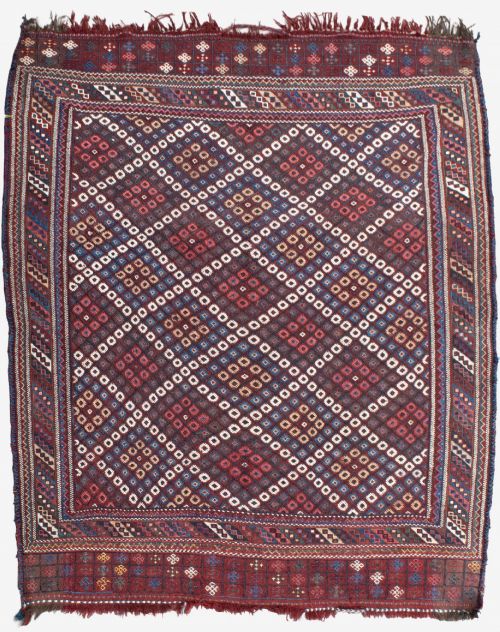
A geometric flatweave rug is a textile without a pile, created by nomadic and tribal weavers across Persia, the Caucasus, Anatolia, and Central Asia during the nineteenth and early twentieth centuries. These pieces encompass utilitarian objects such as sofres, saddle-bags, and storage bags, alongside floor coverings and runner rugs.
The varieties met most frequently on this page stem from regional weaving traditions like the Shahsavan, Qashqai, Afshar, and Shirvan groups. Artisans produced these flatweaves using slit-tapestry and soumak techniques, resulting in crisp linear designs and diamond medallions that translate historic motifs into graphic floor art.
Materials and construction
Weavers relied primarily on hand-spun wool and cotton, sometimes incorporating natural dyes and sabra fibre or cactus silk. Wool provided durable foundations and surfaces, while cotton added structural contrast in warp and tuft elements.
Techniques centred on interlocking and slit-tapestry weaves known as kilims, alongside supplementary-weft wrapping methods seen in soumak storage bags and panels. These methods created flat, durable textiles without knotted piles, holding sharp colour boundaries.
Geometric Flatweave Rug Retail Price Guide 2026
Typical asking prices for geometric flatweave rug among the pieces listed under this phrase on Sellingantiques today, from the lower quarter to the upper quarter. They describe what is for sale here now, not the wider market.
Listings feature wool, cotton, and natural dyes across nineteenth-century and early twentieth-century periods.
Factors that separate examples
Quality rests on the tightness of the weave and the precision of the graphic layout, where finer knotting and denser packing of the weft threads yield rigid, long-lasting structures. The clarity of the tribal patterns and the subtlety of natural dye variations also distinguish superior pieces.
Condition plays a role, as extensive modern interventions diminish historical integrity, whereas period repairs or honest timeworn surfaces retain the character of authentic nomadic use. The complexity of regional motifs, such as dragon sumaks or multi-panel Sofres, elevates specific items above standard utility pieces.
The Geometric Flatweave Rug Glossary
- Kilim
- A flatwoven carpet or rug produced by tightly interweaving warp and weft strands to form a smooth surface. This technique produces no raised pile.
- Sofreh
- A ceremonial or dining cloth used by nomadic tribes for meals or bread preparation. These textiles often display strong central medallions and borders.
- Soumak
- A brocading technique where coloured weft threads wrap over and under warp threads to create a textured face. It provides extra durability to bags and carpets.
- Mafrash
- A large rectangular storage bag made by nomadic groups for bedding and household goods. Collectors prize complete panels and assembled examples.
- Warp
- The vertical threads stretched on a loom before weaving begins. Weft threads pass horizontally through them to build the design.
Geometric Flatweave Rug: Frequently Asked Questions
How were these rugs used originally?
Nomadic and village communities utilised these flatweaves as floor coverings, insulating wall hangings, and functional containers for food or bedding. Sofreh cloths served as clean surfaces for dining and preparing bread.
Bags and panels formed essential parts of daily camp life, transporting possessions across tribal territories. Their sturdy construction was built for practical endurance rather than static display.
How do I care for a flatweave rug?
Protect the textile by placing a breathable underlay beneath it to prevent slipping and reduce friction on hard floors. Vacuum gently using suction only without a rotating brush roll.
Rotate the rug periodically to ensure even wear across the surface from foot traffic and sunlight. Professional cleaning suited for antique wool textiles should be used for deeper maintenance.
How do I distinguish regional styles?
Regional styles appear through distinct colour palettes, border arrangements, and specific geometric symbol sets. Caucasian pieces often display sharp, icy tones and structured compartmentalised medallions.
Persian tribal weavings by groups like the Qashqai or Afshar frequently utilise warmer madder reds and deep indigos with organic diamond lattices. Examining the wool texture and weave density further clarifies the origin.