



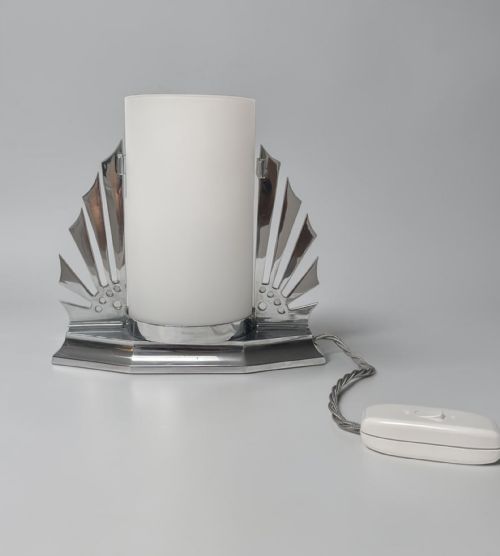
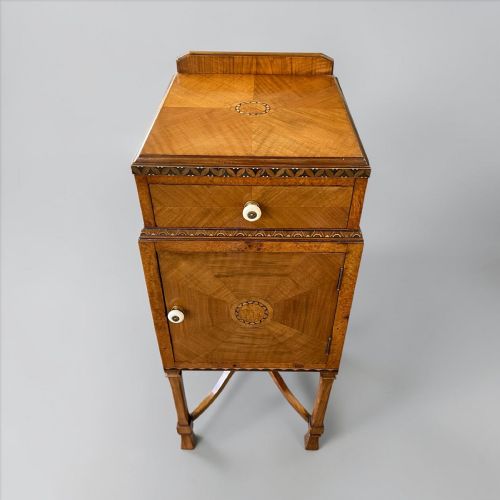
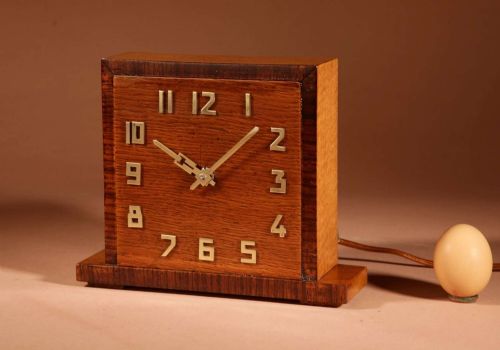

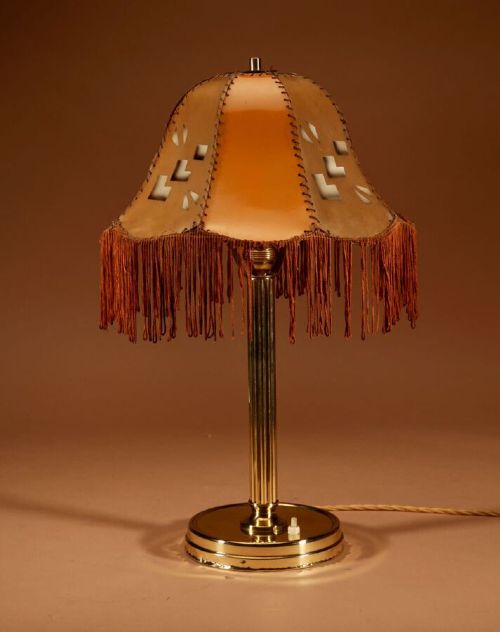
Geometric Art Deco Table
A geometric art deco table brings sharp lines, figured veneers and period modernism straight into a room.
Geometric Art Deco Table
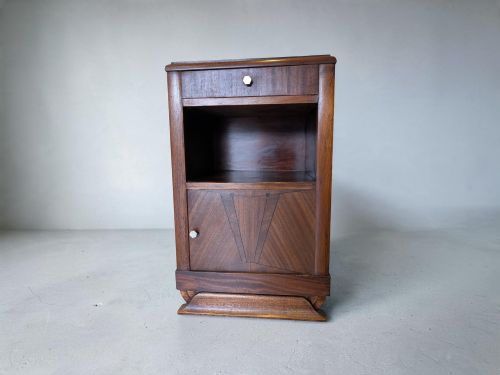
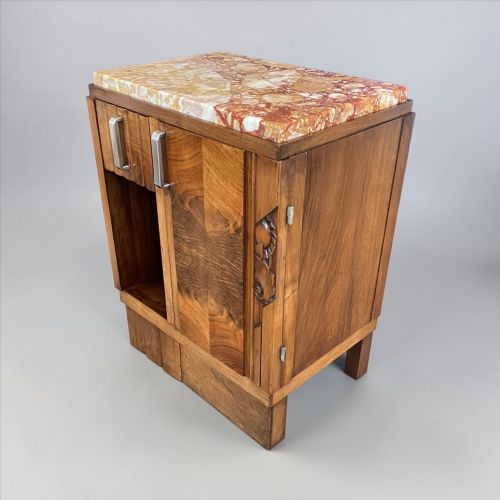
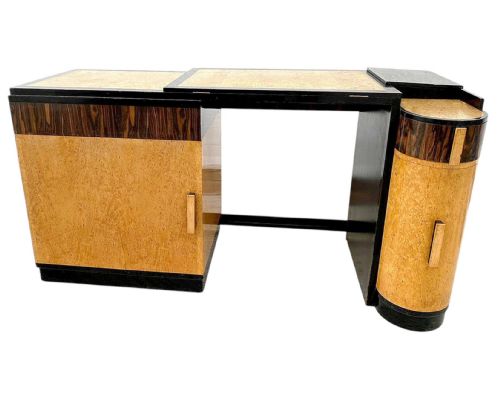
A geometric art deco table gathers side tables, coffee tables, bedside tables and occasional pieces spanning the 1920s to the 1940s. These items showcase the straight lines, symmetry and architectural forms characteristic of the era, drawing on international styles including American and Amsterdam School designs.
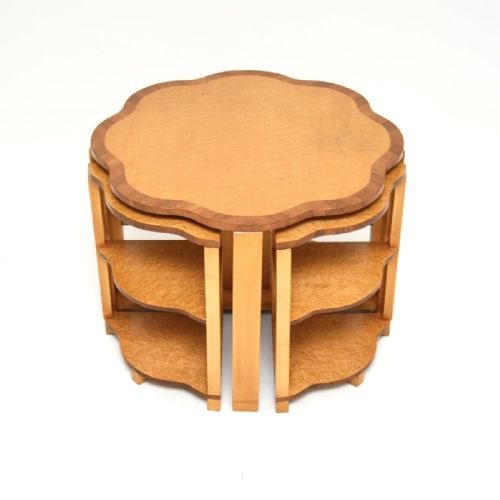
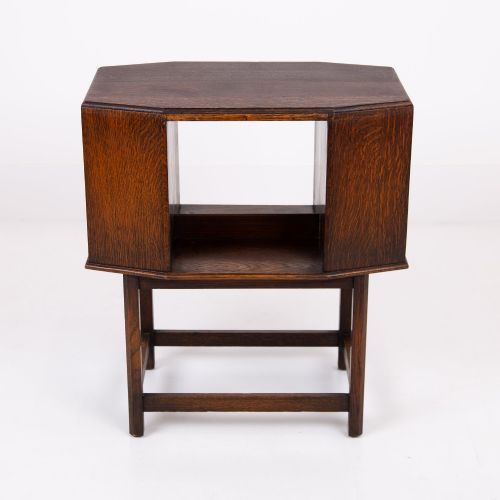
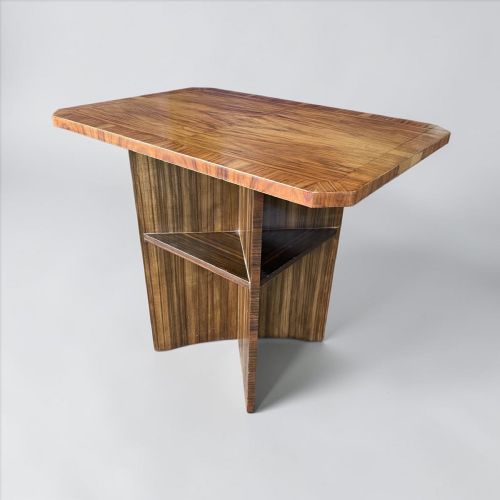
The version most commonly met on this page is the occasional or coffee table in oak, walnut or figured veneers, often incorporating tiers or built-in storage. Such pieces reflect the practical modernism of the period, serving as functional surfaces with distinct angular silhouettes.
How they were made
Cabinet makers utilised a foundation of solid timbers like oak and walnut, overlaid with highly figured veneers such as birds eye maple, burl maple, rosewood and macassar ebony. These veneers were arranged to emphasise symmetry and grain patterns across flat tops and tiered shelves.
Metal accents in chrome, brass and nickel appeared alongside glass and mirrored tops to punctuate the wooden structures. Construction often involved multi-tier frames, octagonal formats and integrated bookcase compartments designed for functional living.
Geometric Art Deco Table Retail Price Guide 2026
Typical asking prices for geometric art deco table among the pieces listed under this phrase on Sellingantiques today, from the lower quarter to the upper quarter. They describe what is for sale here now, not the wider market.
What varies in quality
Quality rests upon the selection and matching of the wood veneers, where highly figured timbers and book-matched grain patterns set finer examples apart from plain counterparts. The precision of the joinery and the integration of secondary materials like glass or chrome determine the structural refinement of the piece.
Origin and attribution also distinguish the range, as pieces linked to specific continental workshops, schools or recognised designers carry more complex architectural detailing than standard domestic production.
Karl Palda·Muller Bros·Val St. Lambert·Eileen Grey·Étienne Kohlmann·Mauthe·R. E. Stone
The Geometric Art Deco Table Glossary
- Veneer
- A thin layer of superior wood adhered to a base timber to provide decorative surface patterns. Highly figured varieties define the aesthetic of many tables from this period.
- Amsterdam School
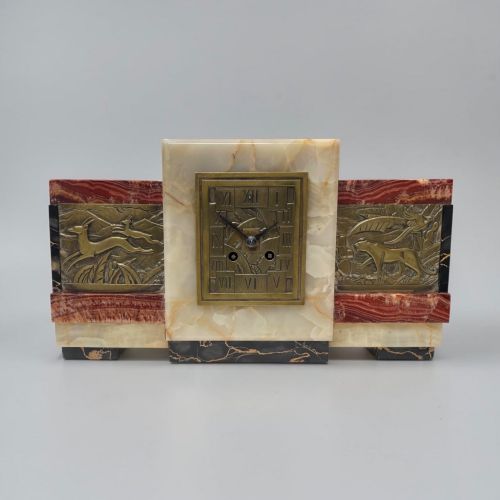
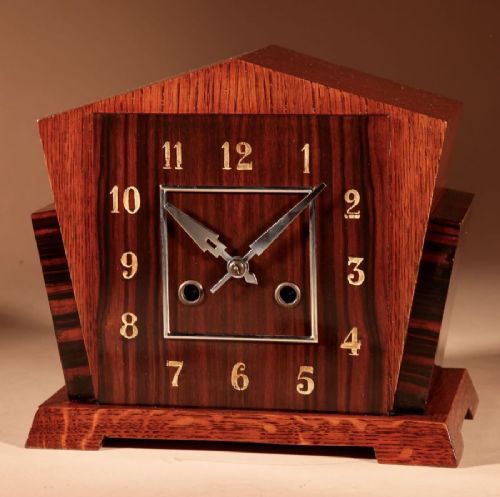
- A stylistic movement originating in the Netherlands characterised by brickwork forms, expressive shaping and rich timber use. It influences several clocks and tables from the nineteen twenties.
- Macassar ebony
- A dense, heavily striped tropical hardwood utilised for striking contrast inlays and decorative panels. It appears alongside walnut and oak in period pieces.
- Occasional table
- A small, movable side or accent table designed for specific, intermittent tasks in a room. Octagonal and two-tier variants feature heavily in these listings.
Geometric Art Deco Table: Frequently Asked Questions
What defines a geometric art deco table?
These tables rely on clean lines, symmetrical layouts and architectural shapes drawn from international design movements of the interwar years.
They frequently incorporate contrasting wood veneers, tiered structures and metal or glass elements to create a distinct modernist silhouette.
Which woods were used for these tables?
Makers utilised solid foundations of oak or walnut paired with decorative surface veneers.
Figured options like birds eye maple, burl maple, rosewood and macassar ebony provided the striking grain patterns seen across the tops and tiers.
How do I date an art deco table?
Dating relies on stylistic clues, construction methods and the specific mix of materials characteristic of the 1920s through to the 1940s.
Earlier pieces often show Amsterdam School influences or heavy geometric inlays, while later examples lean toward streamlined walnut and oak forms.
Where were these tables made?
The listings span English workshops, French studios and Dutch design schools operating during the height of the modernist era.
Regional differences appear in the choice of secondary materials and the specific geometric complexity of the framework.
How do I care for a veneered table?
Veneered surfaces require gentle cleaning with a soft, dry cloth to protect the thin layer of decorative wood from moisture and excessive sunlight.
Avoiding harsh chemical polishes preserves the natural finish of the grain and the integrity of the original polish.