

Garden Urns and Planters
These garden urns and planters bring classical presence and structure to outdoor spaces through enduring metal, stone, and clay forms.
Garden Urns and Planters
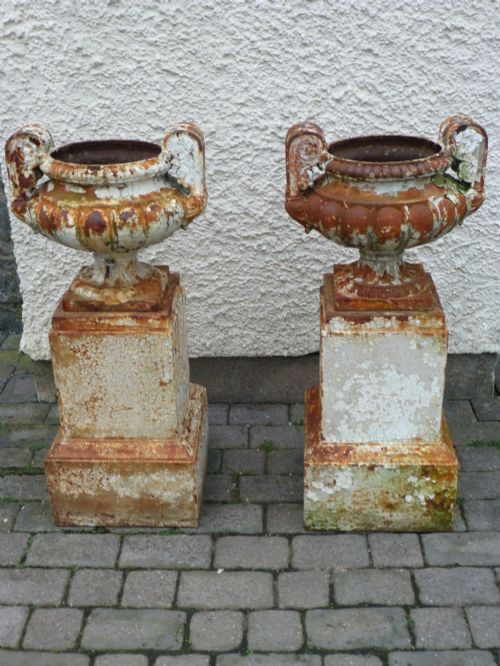
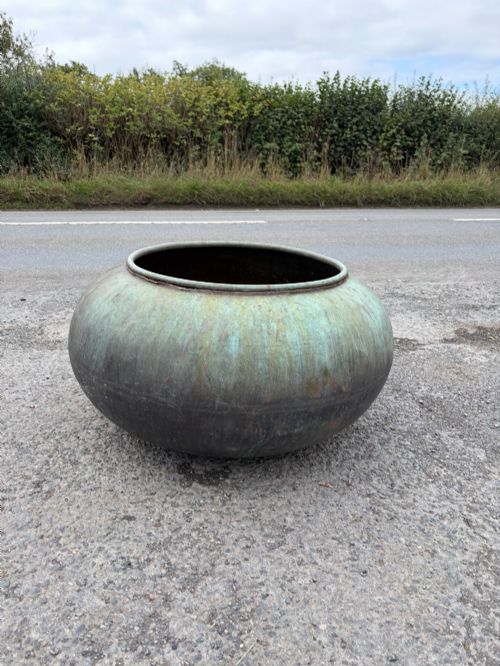
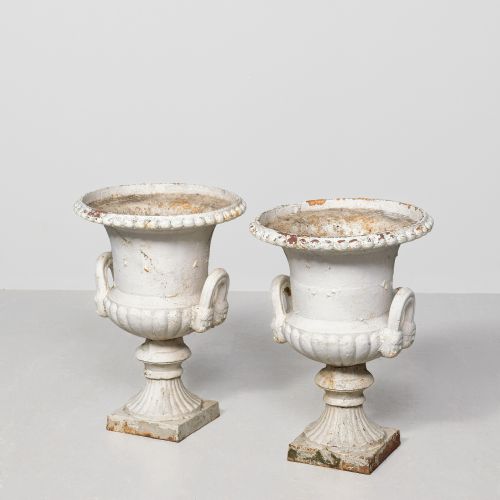
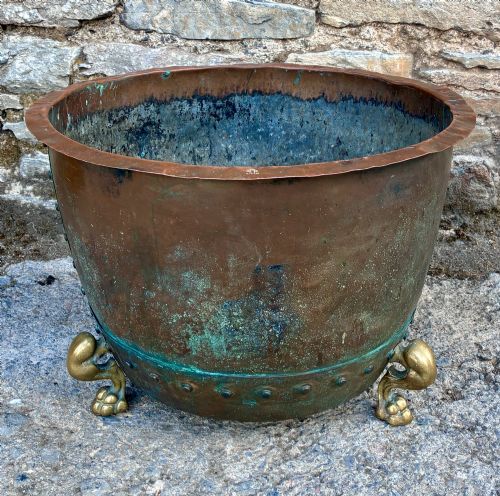
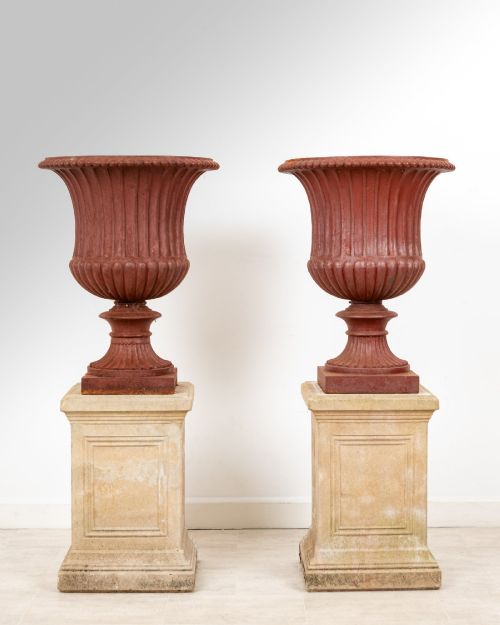
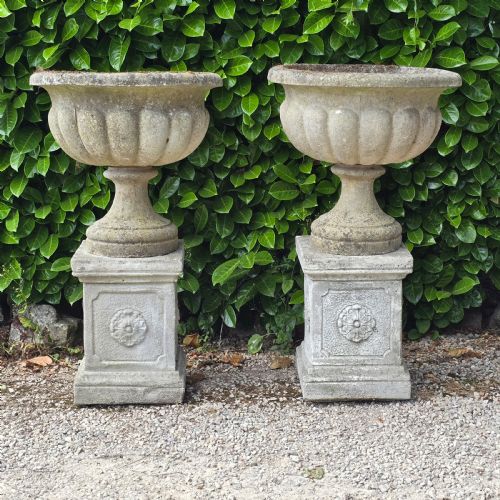
Garden urns and planters encompass everything from cast iron Campana vessels on matching plinths to French terracotta pots and large copper boilers. Nineteenth-century examples dominate the selection, appearing alongside earlier pieces from the sixteenth to eighteenth centuries and later twentieth-century additions.
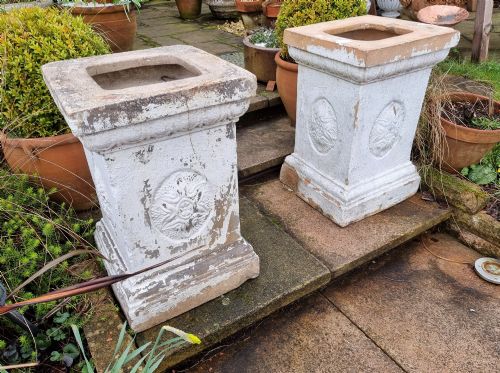
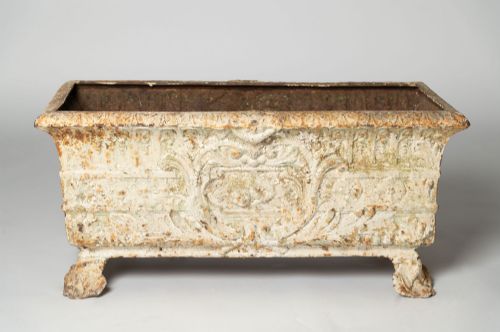
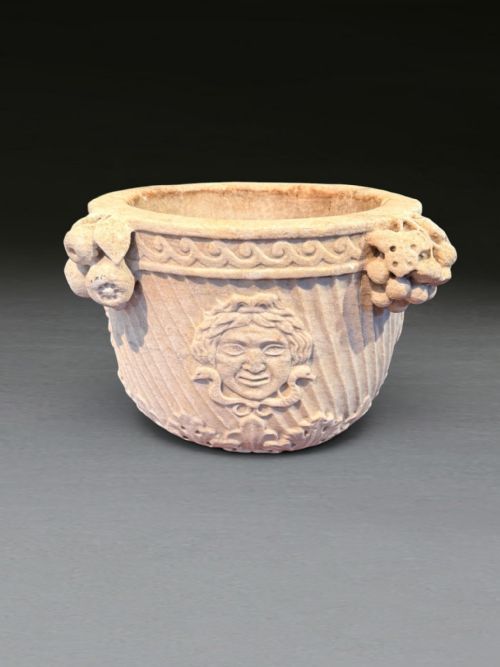
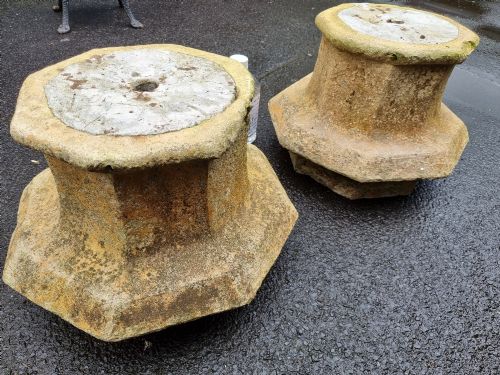
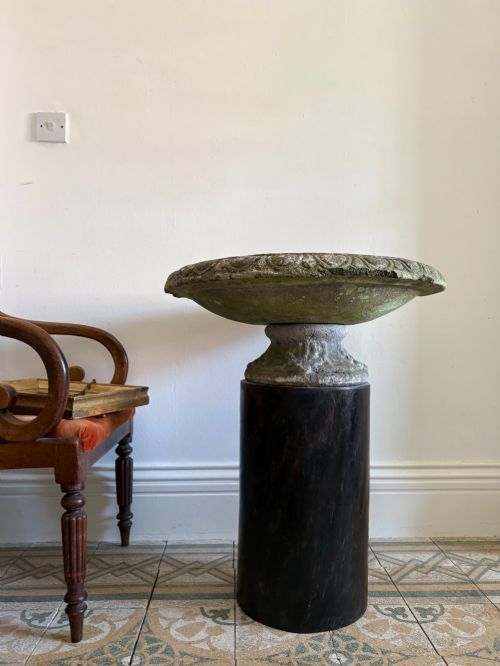
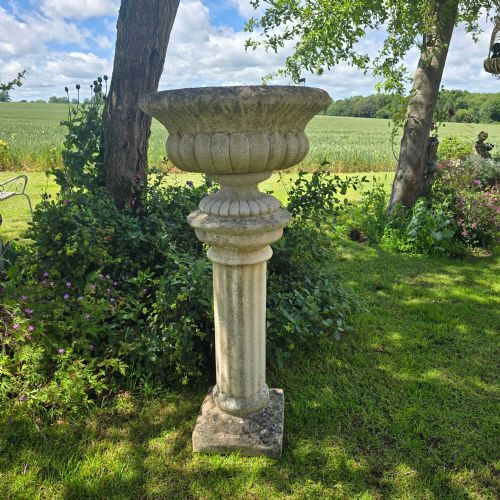
Moulded stone pedestals, glazed Chinese jardinieres, and rustic amphorae provide varied silhouettes for planting or architectural placement. Buyers encounter matched pairs designed for doorways and pathways alongside singular focal pieces for garden terraces.
Materials and methods
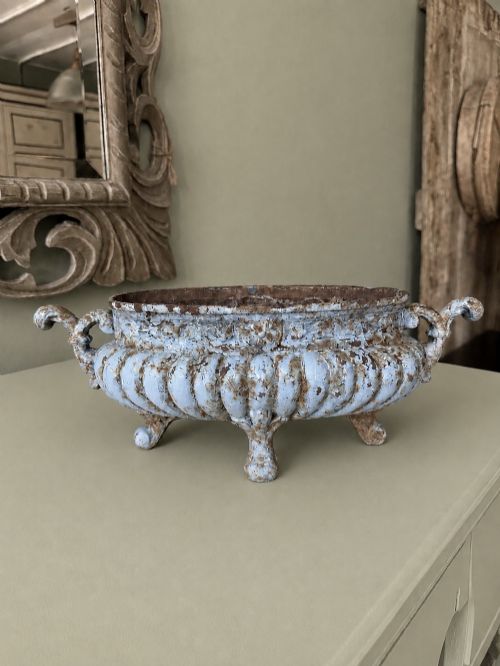
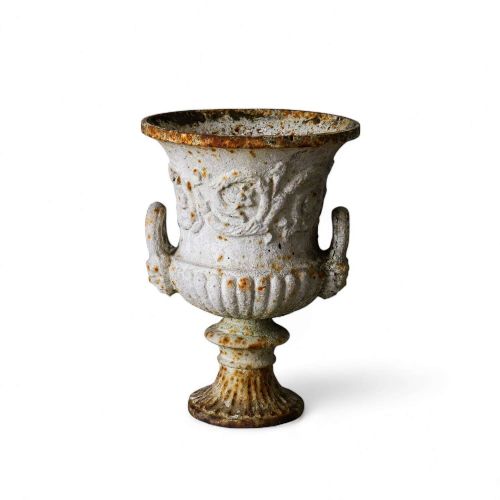
Foundries shaped heavy metals using cast iron, wrought iron, and copper, sometimes applying paint or leaving surfaces to weather naturally. Iron vessels frequently utilise classical Campana shapes cast in sections and mounted upon sturdy bases.
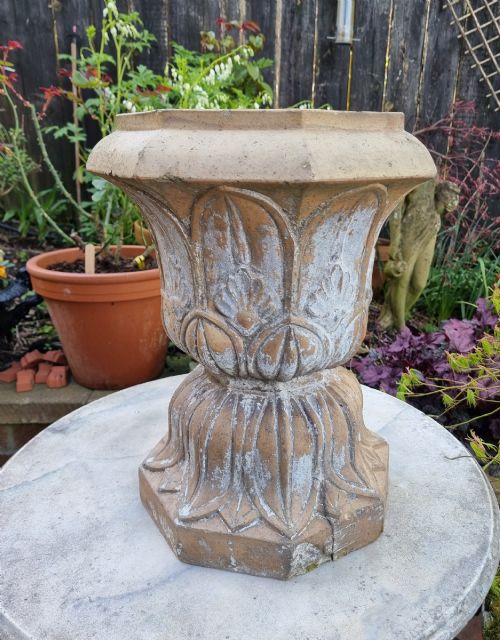
Potters and masons worked with terracotta, clay, soft stone, and reconstituted cast stone to form porous vessels suited for planting. Techniques range from wheel-thrown earthenware to moulded composite stone and hand-rivet construction on metal boilers.
Materials span heavy metals like copper and cast iron alongside earthen terracotta, soft stone, and modern cast stone.
Design and condition
The distinction between standard utility vessels and superior examples lies in sculptural detail, such as crisp acanthus leaf moulding and balanced proportions. Foundry attribution and the presence of original plinths or lids elevate the status of metal urns.
Natural weathering and patination contribute significantly to the visual weight of stone and terracotta pieces. Surface finishes show integrity through authentic distress rather than artificial ageing.
Dunfermline Clay Company·Falkirk Carron foundry·Coalbrookdale·Andrew Handyside·Val d'Osne Foundry
The Garden Urns and Planters Glossary
- Campana urn
- A bell-shaped garden vessel with an everted rim, frequently mounted on a pedestal base. This classic silhouette originates from ancient Roman design.
- Jardiniere
- An ornamental pot or stand designed to hold living plants or flowers. These items often feature decorative relief work or glazed surfaces.
- Reconstituted stone
- A durable material made from crushed stone aggregate and a binding agent, moulded into architectural ornaments and garden planters. It simulates natural quarried stone.
- Amphora
- A tall ancient container with two handles and a narrow neck, utilised historically for storage and adapted as a decorative garden feature.
- Plinth
- A heavy base or pedestal supporting an urn, statue, or column. These provide elevation and architectural stability in garden placement.
Garden Urns and Planters: Frequently Asked Questions
How do I choose between cast iron and terracotta?
Cast iron offers heavy durability and sharp neoclassical detail, making it suitable for exposed formal positions where permanence is desired. Terracotta provides a porous environment that benefits plant roots while developing an attractive weathered surface over time.
Consider the weight and climate resistance required for your specific site. Iron demands lifting assistance and protection against prolonged dampness, whereas terracotta benefits from being emptied or stored during hard frosts.
Can antique garden urns stay outside all winter?
Most metal and stone vessels withstand outdoor conditions provided water does not pool and freeze inside them. Terracotta and clay pots are vulnerable to cracking when moisture trapped in the porous walls expands during freezing temperatures.
Elevating planters on feet or bricks prevents waterlogging at the base. Lining large iron urns and ensuring adequate drainage holes protects both the vessel and the root systems.
How do I identify a nineteenth-century cast iron urn?
Nineteenth-century ironwork typically displays crisp casting seams, heavier wall thickness, and deep patination accumulated through decades of exposure. Foundry marks or registration numbers occasionally appear on the underside or interior rims.
Stylistic cues lean towards Neoclassical, Gothic Revival, or Victorian classical motifs. The surface usually exhibits layers of old paint over oxidized metal rather than uniform modern coatings.
What is the best way to secure a heavy garden pedestal?
Heavy stone and cast iron bases require firm, level ground such as a paved patio or compacted gravel foundation to prevent shifting. Placing the heavier components with mechanical lifting equipment ensures stability without damaging historical material.
Mortar is rarely necessary for stable placement unless extreme weather exposure or uneven ground demands additional anchoring. The sheer weight of nineteenth-century metal urns and stone plinths generally provides sufficient stability.