


Cast Iron Urn Planters
Cast iron urn planters bring substantial presence to garden landscapes, offering durable neoclassical forms that anchor outdoor spaces with architectural weight.
Cast Iron Urn Planters
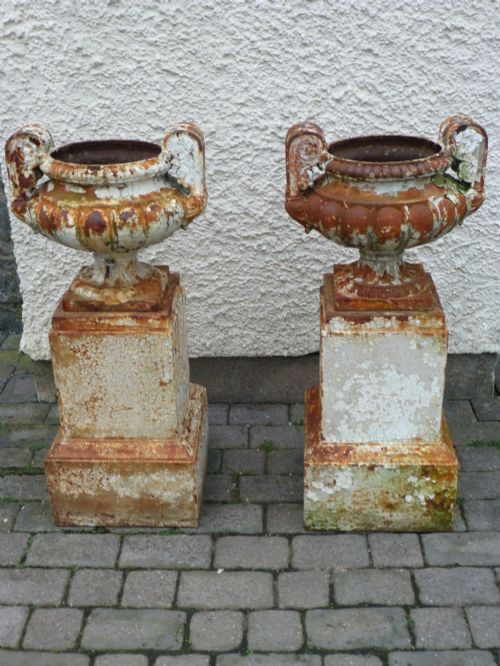
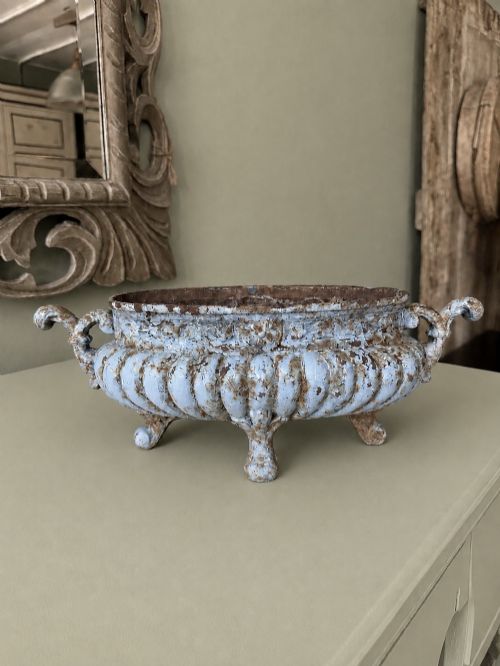
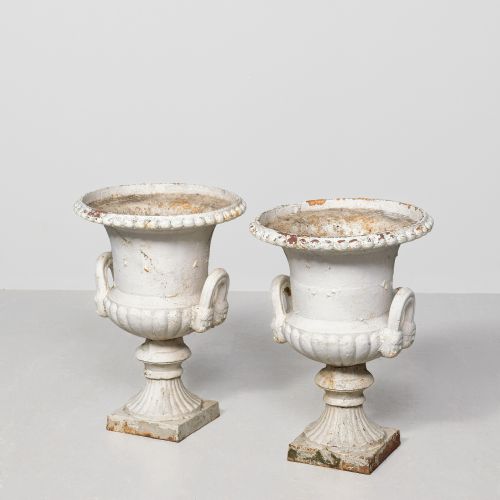
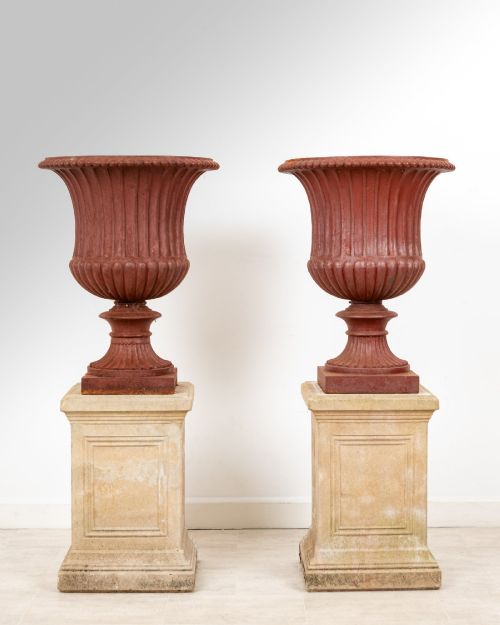
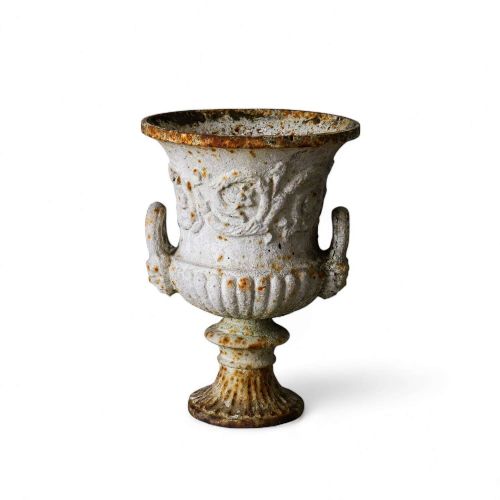
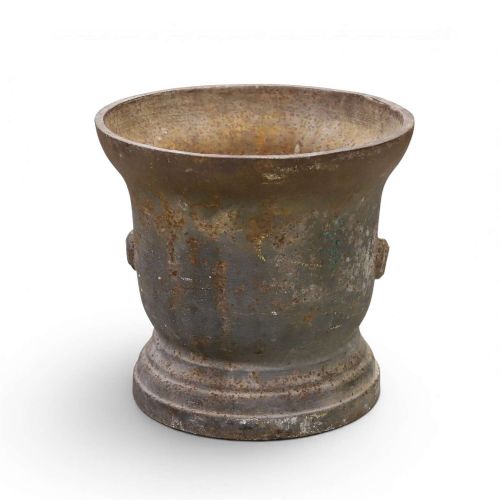
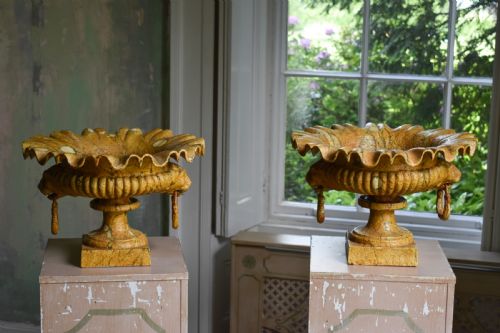
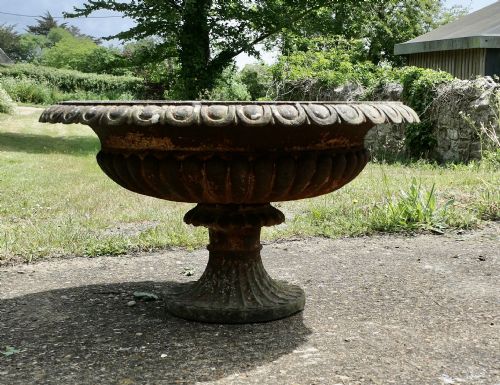
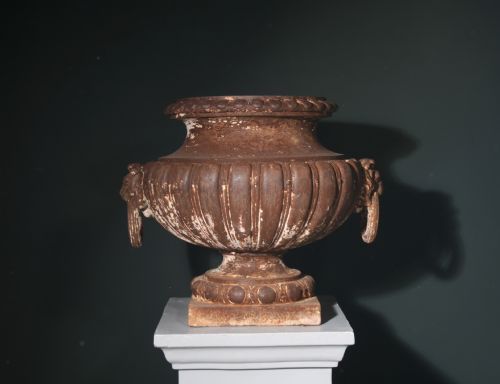
Cast iron urn planters combine robust metal vessels with classical garden design, appearing frequently in Victorian, Regency, and nineteenth-century French styles. These pieces serve as permanent outdoor focal points, often raised on matching plinth bases or stone pedestals to elevate the planting. Buyers encounter various vessel forms, ranging from traditional campana shapes to tazzas and large kitchen mortars repurposed for garden display.
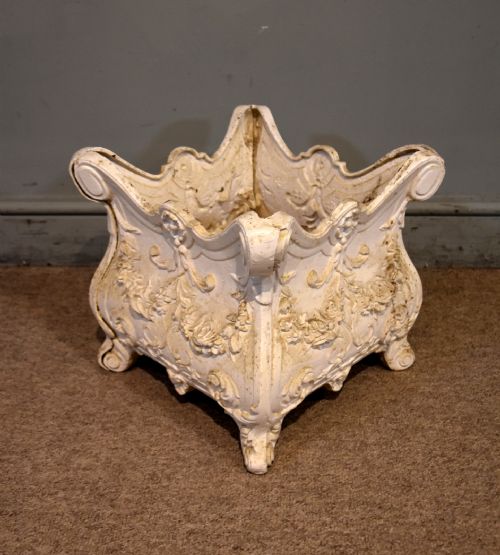
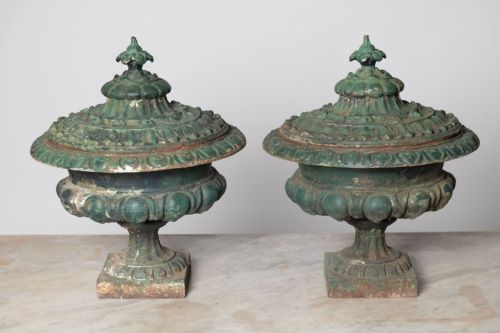
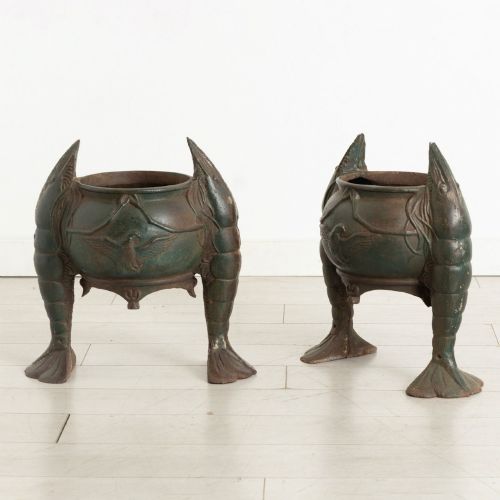
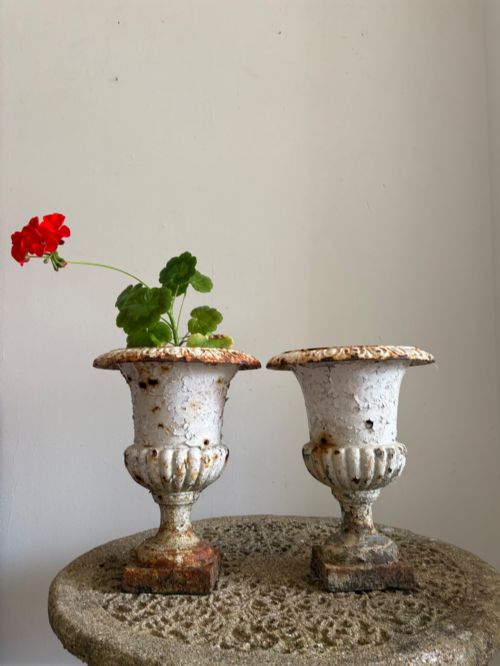
The selection on this page leans heavily towards nineteenth-century examples, including marked foundry pieces alongside uncredited French and English garden vessels. Pairs dominate the offerings, matched with original stands, lids, or weathered painted surfaces that show decades of exposure. While standard garden urns and planters form the bulk of the stock, occasional unusual forms such as shrimp-shaped planters or conical Art Deco vessels appear.
Materials and casting methods
Foundries utilised durable cast iron poured into sand moulds to create thick-walled vessels capable of withstanding heavy soil loads and winter frosts. This metalwork was often finished with layers of protective paint or left to weather naturally, developing a stable oxidised surface over time. Certain models integrate separate stone plinths or pedestals to support the weight of the cast metal body.
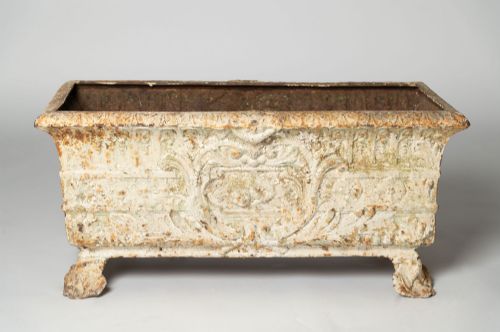
Makers employed detailed decorative patterns during the moulding process, incorporating classical motifs such as acanthus leaves, fluting, and neoclassical handles. Foundry marks stamped directly into the metal occasionally identify prominent nineteenth-century makers, while other pieces rely purely on sculptural execution and proportions.
Factors determining quality
Quality rests in the crispness of the original casting and the depth of the classical ornament, where sharp acanthus leaves and clean fluting separate superior foundry work from plain utility pieces. The presence of matching original components, such as pedestals, plinths, and lids, elevates the integrity of a set. Well-balanced proportions and heavier metal gauge distinguish the finest garden urns from lighter, more standard production.
The character of the surface finish also plays a role, with original distressed paint or stable, weathered patination holding greater appeal than modern repainting. Pieces originating from documented foundries carry additional distinction compared to anonymous regional castings.
Falkirk Carron foundry·Coalbrookdale·Andrew Handyside·Val D Osne Foundry
The Cast Iron Urn Planters Glossary
- Campana
- A bell-shaped garden urn with a flared rim, a deep bowl, and a footed base. This classical silhouette forms the basis of many nineteenth-century planter designs.
- Tazza
- A shallow cup or bowl mounted on a stem and foot, used in garden settings for low-profile planting. These pieces offer a wide receptacle compared to deep urns.
- Plinth
- A heavy rectangular or square base that elevates an urn above ground level. Plinths add vertical presence and protect the planter from ground moisture.
- Jardiniere
- An ornamental pot or stand designed to hold growing plants or flowers. In this category, the term often describes French cast iron vessels used interchangeably with urns.
- Mortar
- A heavy bowl historically used for grinding substances, occasionally repurposed as a garden planter due to its thick cast iron walls.
Cast Iron Urn Planters: Frequently Asked Questions
How do I protect cast iron urns in winter?
Cast iron is naturally robust, but trapped freezing soil can expand and crack the metal over time. Raising the base slightly and ensuring proper drainage holes remain clear helps prevent winter damage.
lining the interior or emptying heavy wet compost during severe frosts provides additional protection for antique metal vessels.
Are these planters suitable for indoor use?
While originally cast for gardens and conservatories, smaller examples or table urns adapt well to interior display rooms. Their substantial weight requires sturdy placement on reinforced flooring.
placing a protective tray beneath the base prevents moisture marks when positioning these heavy iron pieces inside a home.
How do I distinguish Victorian from later pieces?
Victorian urns typically feature heavier metal casting, deep neoclassical detailing, and specific foundry signatures associated with nineteenth-century production. Later twentieth-century versions often simplify the decorative elements or adopt streamlined profiles like Art Deco styling.
examining the underside and interior for sand-casting texture helps confirm the older manufacturing methods used by nineteenth-century foundries.
Do original plinths matter for value?
Original matching plinths complete the intended architectural composition of the urn and maintain the historic integrity of the pair. Finding an urn with its factory-paired pedestal or stand is uncommon.
pieces retaining their original stone or cast iron bases command greater interest among collectors seeking complete garden ensembles.