


Iron Garden Planters
Iron garden planters span classic campana urns to tiered plant stands, bringing enduring structure and botanical display to outdoor spaces.
Iron Garden Planters
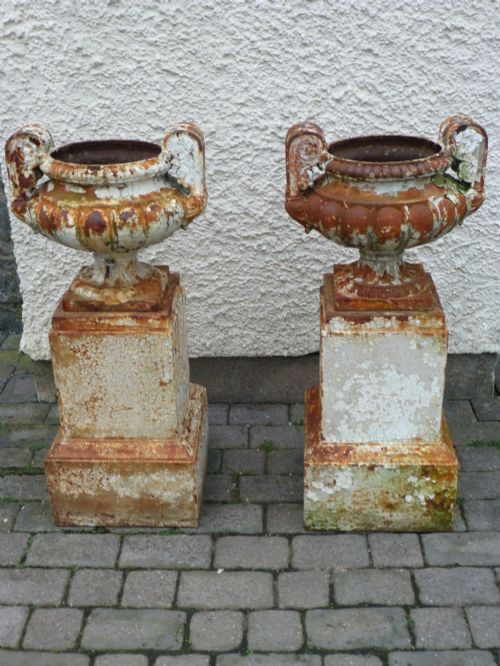
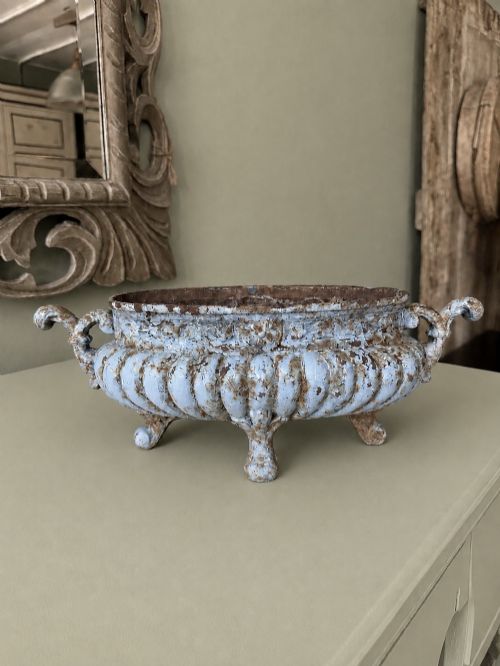
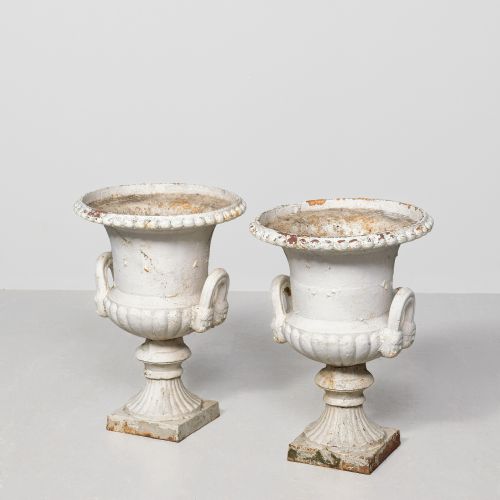
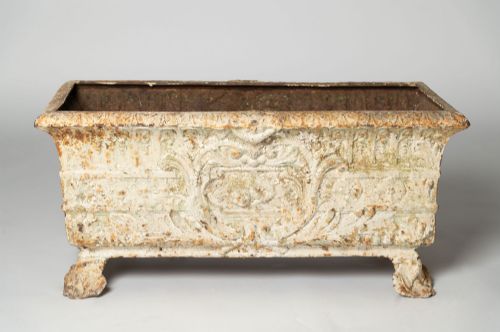
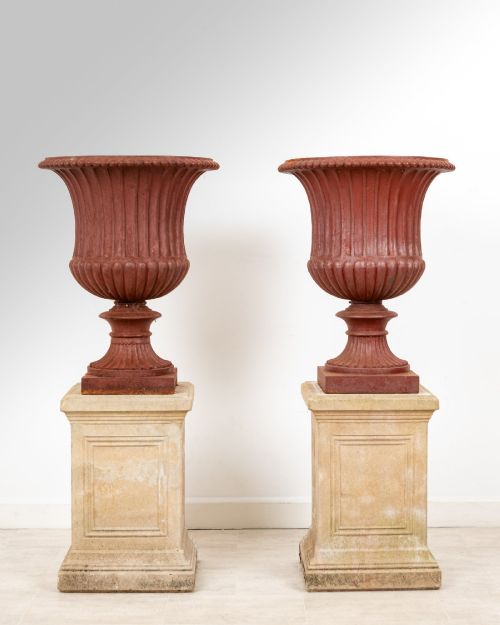
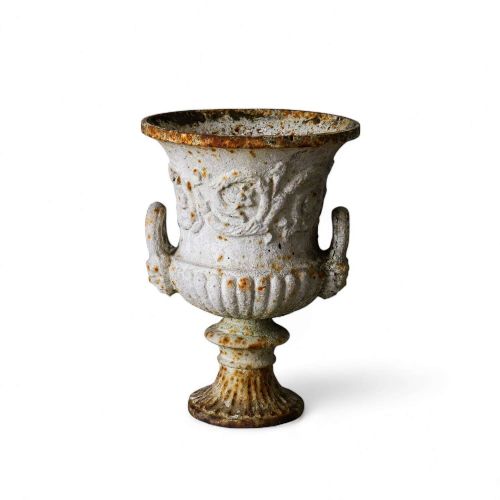
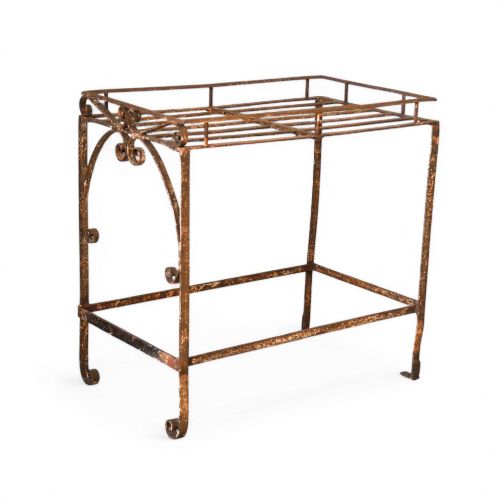
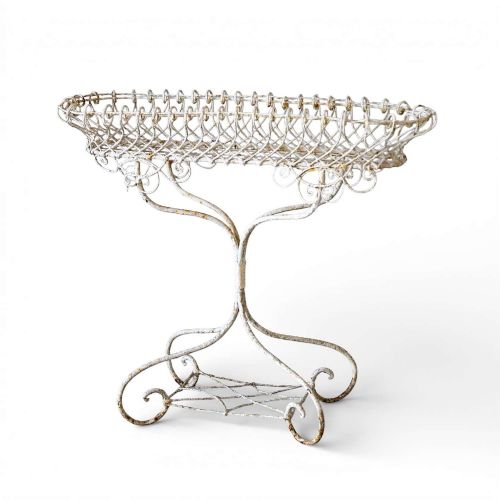
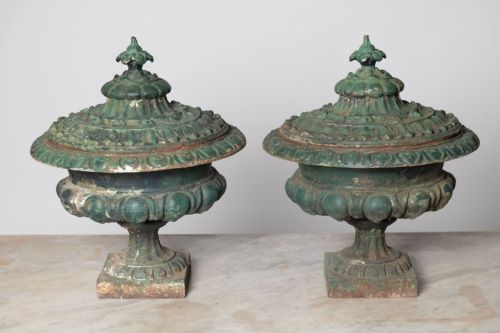
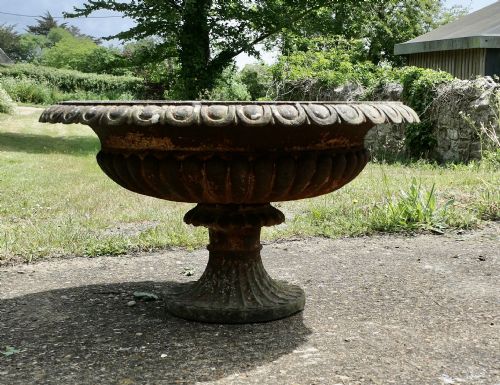
Iron garden planters encompass a variety of utilitarian and decorative vessels designed for outdoor and conservatory display. Buyers exploring this category encounter forms ranging from campana urns and column planters to multi-tiered plant stands and wirework jardiniere baskets.
The majority of pieces originate from the nineteenth century, including Victorian, Regency, and Edwardian periods, with French and English country examples appearing frequently. These objects served functional roles in estates, gardens, and conservatories, often elevated on stone pedestals or original plinths.
Materials and construction methods
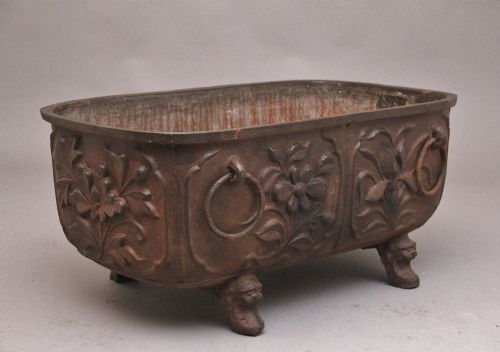
Foundries utilised cast iron and wrought iron as the primary structural materials, allowing for robust outdoor vessels and intricate decorative detailing. Cast iron elements were poured in moulds, producing classical motifs such as acanthus leaves, while wrought iron and wirework utilised shaped metal rods secured together for plant stands and baskets.
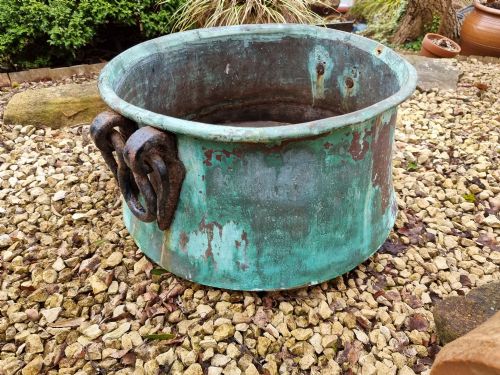
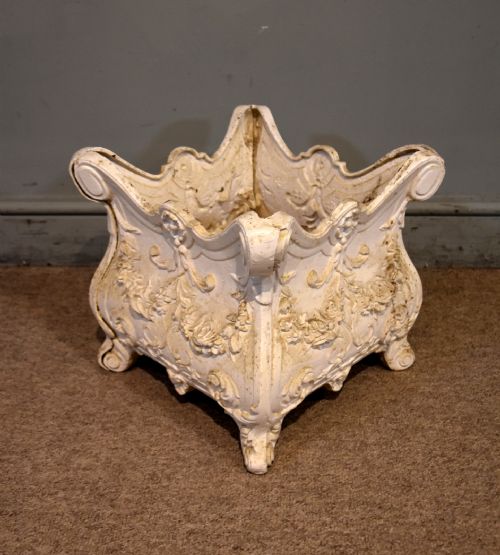
Surface finishes recorded across the inventory include original paint, weathered patinas, verdigris on copper additions, and distressed coatings developed through decades of exposure. Structural supports frequently incorporated stone pedestals, lion paw feet, or matching iron plinths to elevate the planters.
Assessing quality and character
Quality in these pieces rests upon the crispness of the foundry casting and the integrity of the original form. Finer examples display sharply defined classical ornamentation, such as classical acanthus leaf moulding or foundry stamps from renowned makers.
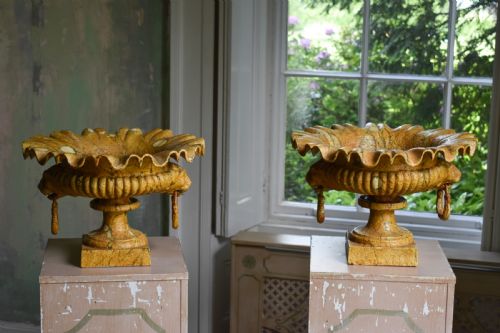
The presence of matching pairs, original plinths, and untouched weathered surfaces or original paint elevates a piece above standard utility items. Proportion and balance between the urn body and its pedestal or stand dictate the visual success of the planter.
Falkirk Carron foundry·Coalbrookdale·Andrew Handyside·Val D Osne Foundry
The Iron Garden Planters Glossary
- Campana urn
- A bell-shaped garden vessel with an everted rim, widely produced in cast iron during the nineteenth century for classical garden schemes.
- Jardiniere
- An ornamental pot or stand designed to hold growing plants or flowers, often taking decorative form in cast iron or wirework.
- Plinth
- A heavy rectangular or square base supporting an urn or column planter, frequently cast en suite with the main vessel.
- Verdigris
- A green patina formed naturally on copper or iron surfaces through prolonged weathering and atmospheric exposure.
- Wirework
- A technique of bending and joining metal wire into structural plant stands and tiered conservatory display baskets.
Iron Garden Planters: Frequently Asked Questions
How do I clean an old iron planter?
Historic iron planters benefit from gentle brushing to remove loose dirt and debris without disturbing the established patina or original paint layers. Avoid harsh chemical strippers that strip away centuries of weathering and protective oxidation.
Applying a light coat of neutral oil or wax helps protect exposed metal surfaces from active rust while preserving the historic appearance of the piece.
Are these planters suitable for modern gardens?
These robust iron vessels suit contemporary and traditional outdoor spaces alike, functioning effectively as standalone focal points or containers for floral displays. Their durable metal construction withstands outdoor weather conditions throughout the year.
Ensure adequate drainage if planting directly into the vessel, or use a plastic inner pot to protect the historic interior from constant moisture contact.
How can I tell a Victorian planter from a later copy?
Nineteenth-century pieces typically exhibit heavier casting weights, hand-finished seams, and genuine surface wear consistent with age and outdoor exposure. Foundry marks and stamps specific to nineteenth-century makers provide reliable indicators of period origin.
Later reproductions often lack the crispness of classical acanthus detailing and feature uniform modern surface coatings rather than historic patination.
What is the difference between an urn and a jardiniere?
Garden urns generally feature a raised cup or bell shape on a pedestal base, designed primarily for formal classical aesthetics and elevated planting. Jardinieres more commonly take the form of broader tubs, baskets, or floor-standing troughs meant for housing multiple plants.
Both categories served decorative and horticultural purposes across nineteenth-century gardens, terraces, and conservatories.