

Metal Garden Urns
Metal garden urns bring architectural weight to planting schemes through enduring cast iron, copper and lead forms.
Metal Garden Urns
Metal garden urns serve as decorative vessels for planting and display across terraces and grounds. When searching for metal garden urns, buyers encounter heavy vessels designed to hold botanical displays while anchoring outdoor spaces with sculptural presence.
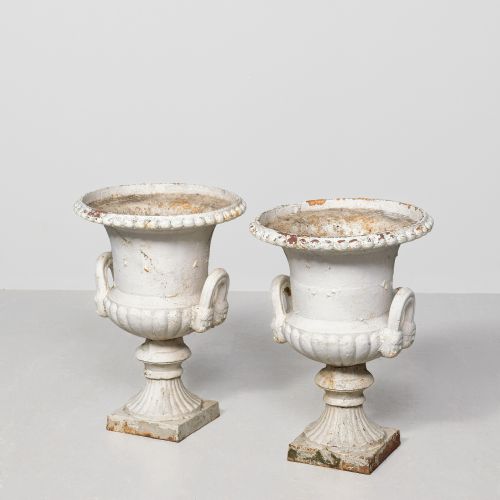
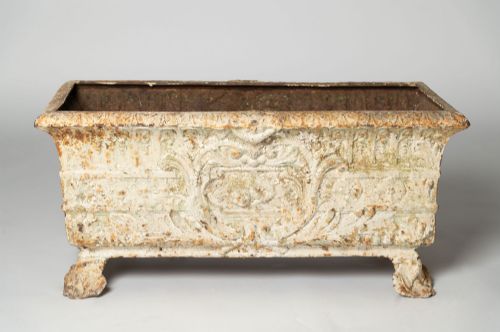
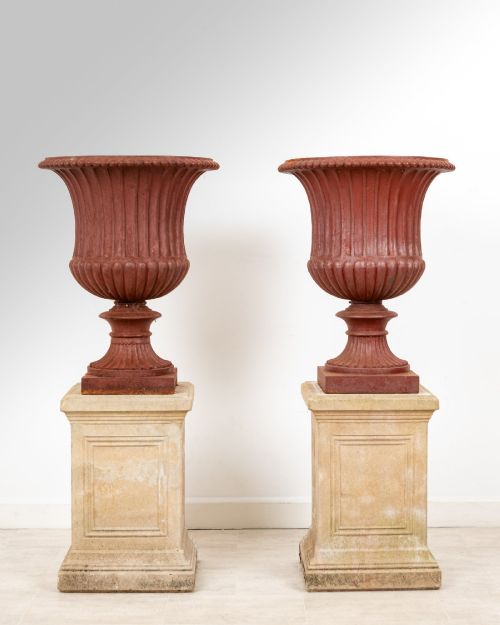
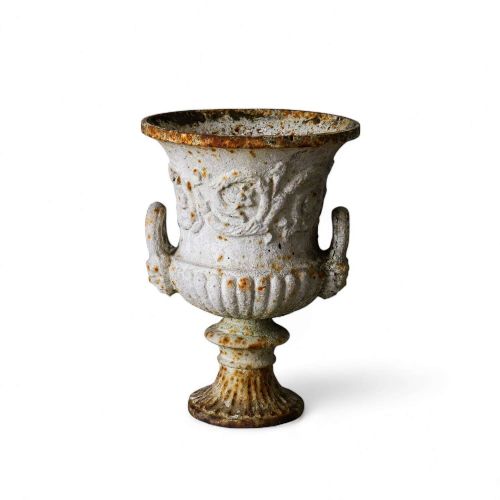
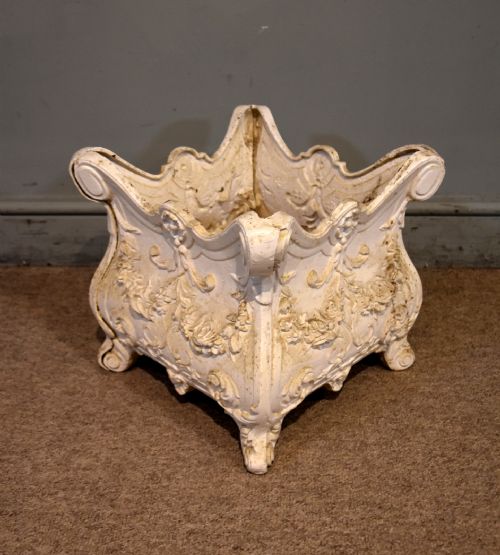
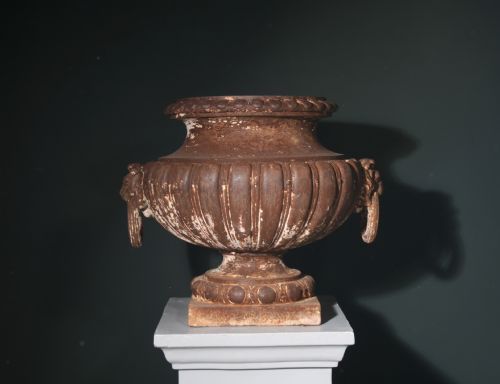
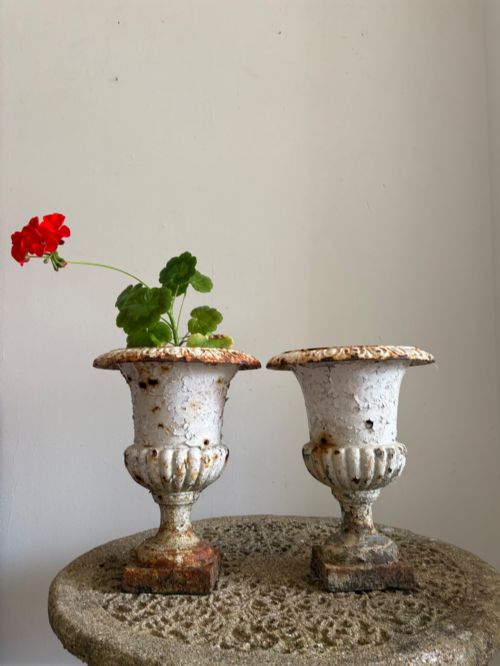
The pieces listed on this page date from the 18th, 19th and early 20th centuries, spanning Victorian, Regency, Edwardian and Neoclassical styles. Cast iron campana shapes predominate among the selection, alongside lead planters and copper pots.
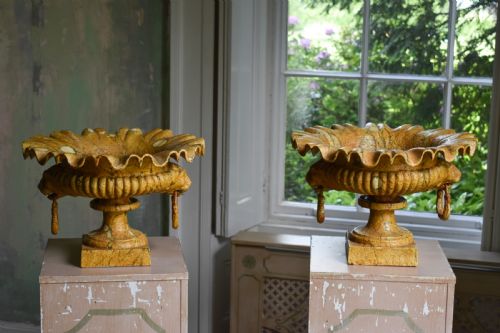
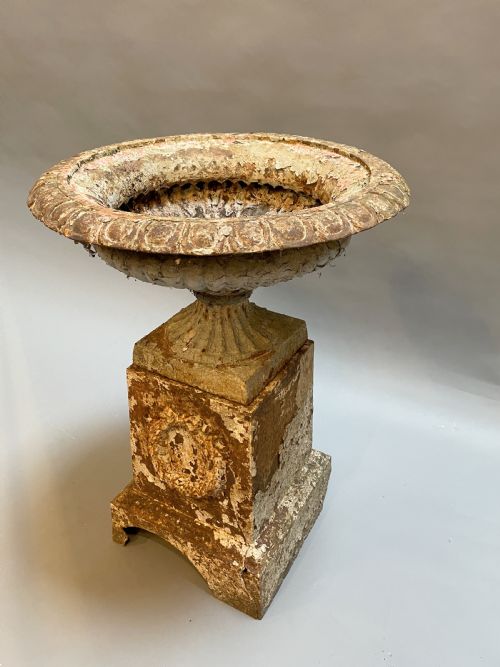
Forms range from modest table urns to monumental temple vases and pairs of tazza urns set on plinths. French and British examples appear frequently, reflecting the output of period foundries.
How they were made
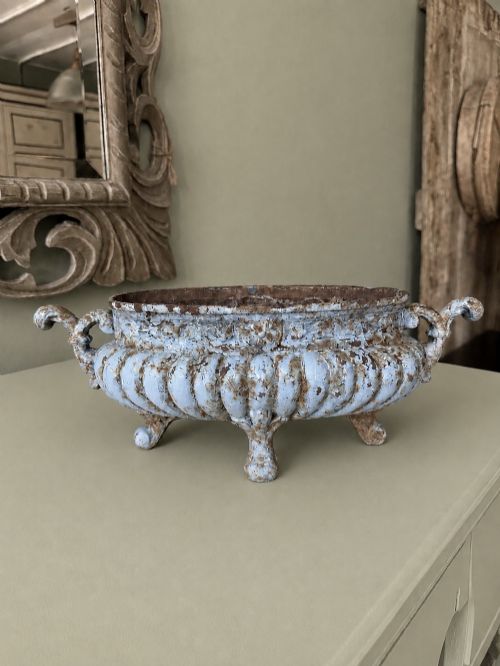
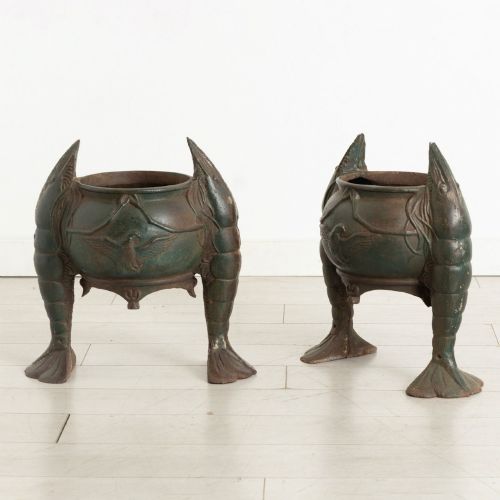
Cast iron production involved pouring molten metal into sand moulds to create crisp relief details such as acanthus leaves and fluting. Foundries utilised durable iron mixes to withstand outdoor exposure, often applying protective paint finishes.
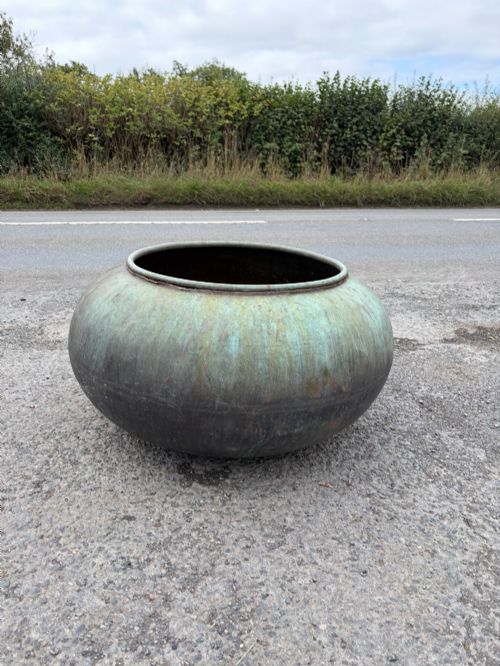
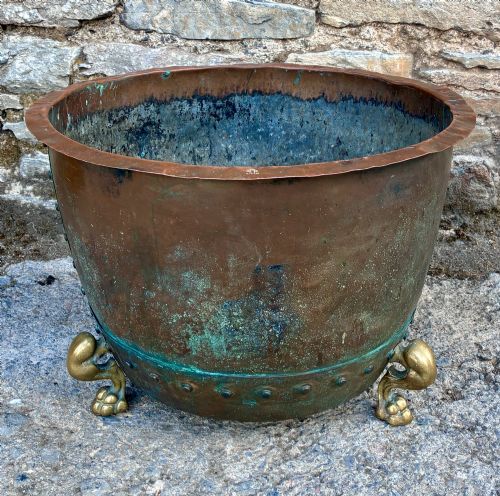
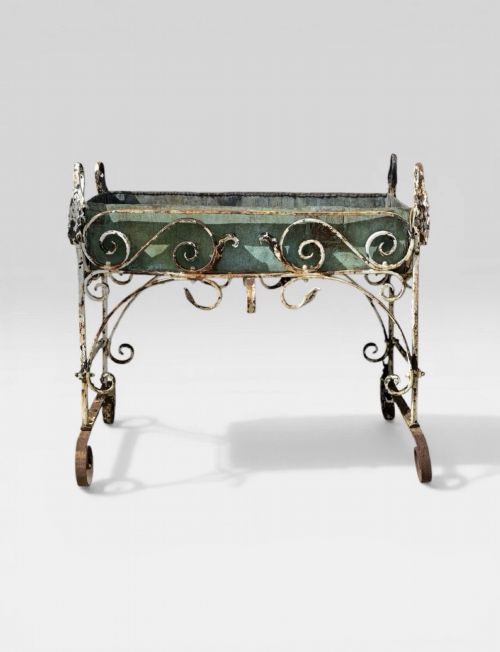
Sheet copper and wrought iron construction relied on hand-beating, riveting and strapwork techniques to join plates and form boilers, pots and planters. Lead urns were cast in moulds, yielding heavy walls and tactile surfaces that accepted patination over decades.
What varies in quality
The definition of casting work dictates visual clarity, separating sharp, deeply chased neoclassical ornament from softer, worn profiles. Foundry attribution also matters, with marked pieces from known makers carrying distinct historical weight.
Material substance and structural integrity separate robust garden architecture from lighter vessels. Original surfaces, whether weathered paint, verdigris on copper or natural lead oxidation, preserve the authenticity of the object.
Andrew Handyside·Coalbrookdale·Val D Osne Foundry
The Metal Garden Urns Glossary
- Campana
- A bell-shaped urn profile popular in classical and neoclassical garden design. These vessels typically flare outward toward a wide rim.
- Jardiniere
- An ornamental pot or stand designed to hold growing plants or flowers. They appear in cast iron and ceramic forms.
- Tazza
- A shallow bowl or cup mounted on a stem and foot. In garden metalwork, tazza urns present a wide planting basin.
- Strapwork
- Ornamental work consisting of flattened bands or ribbons, often interlaced. Wrought iron planters utilise this technique for structural sides.
- Usubata
- A traditional Japanese bronze vase form often used for floral arrangements. These pieces feature distinct tiered basins and wide mouths.
Metal Garden Urns: Frequently Asked Questions
How do I care for cast iron urns?
Cast iron garden urns require minimal maintenance beyond clearing debris and ensuring drainage holes remain clear. Applying appropriate metal paint protects the surface from rust over successive winters.
Moving heavy vessels requires care to avoid chipping the metal or damaging supporting stone plinths. Positioning them on stable ground prevents tipping during high winds.
Can lead and copper urns stay outside all year?
Lead and copper tolerate frost and rain exceptionally well, developing protective patinas over years of outdoor exposure. They require no special winter storage.
Ensuring that water does not freeze solid inside unplanted vessels prevents potential stress on riveted or cast seams during hard frosts.
How do I identify Victorian styles?
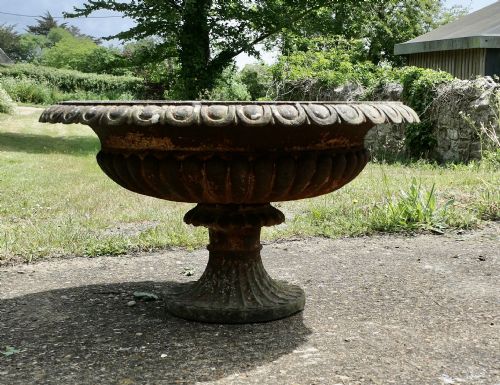
Victorian metal garden urns often display heavy classical revival motifs including acanthus leaves, egg-and-dart rims, and fluted bodies. These designs draw heavily on Greek and Roman precedents.
Proportions tend to be generous and substantial, frequently paired with matching plinths or pedestals designed to elevate the planting display.
What is a campana urn?
A campana urn takes its name from the Latin word for bell, describing the inverted bell profile of the vessel. This shape provides a stable base and a wide opening for planting.
Such urns have been cast in iron and bronze since the eighteenth and nineteenth centuries for formal garden terraces.