
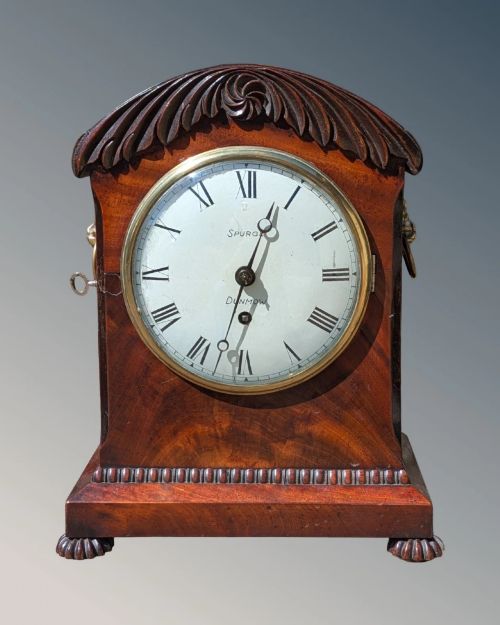


Fusee Movement Table Clock
A fusee movement table clock is a precise mechanical timekeeper driven by a conical pulley and chain, valued for steady power delivery.
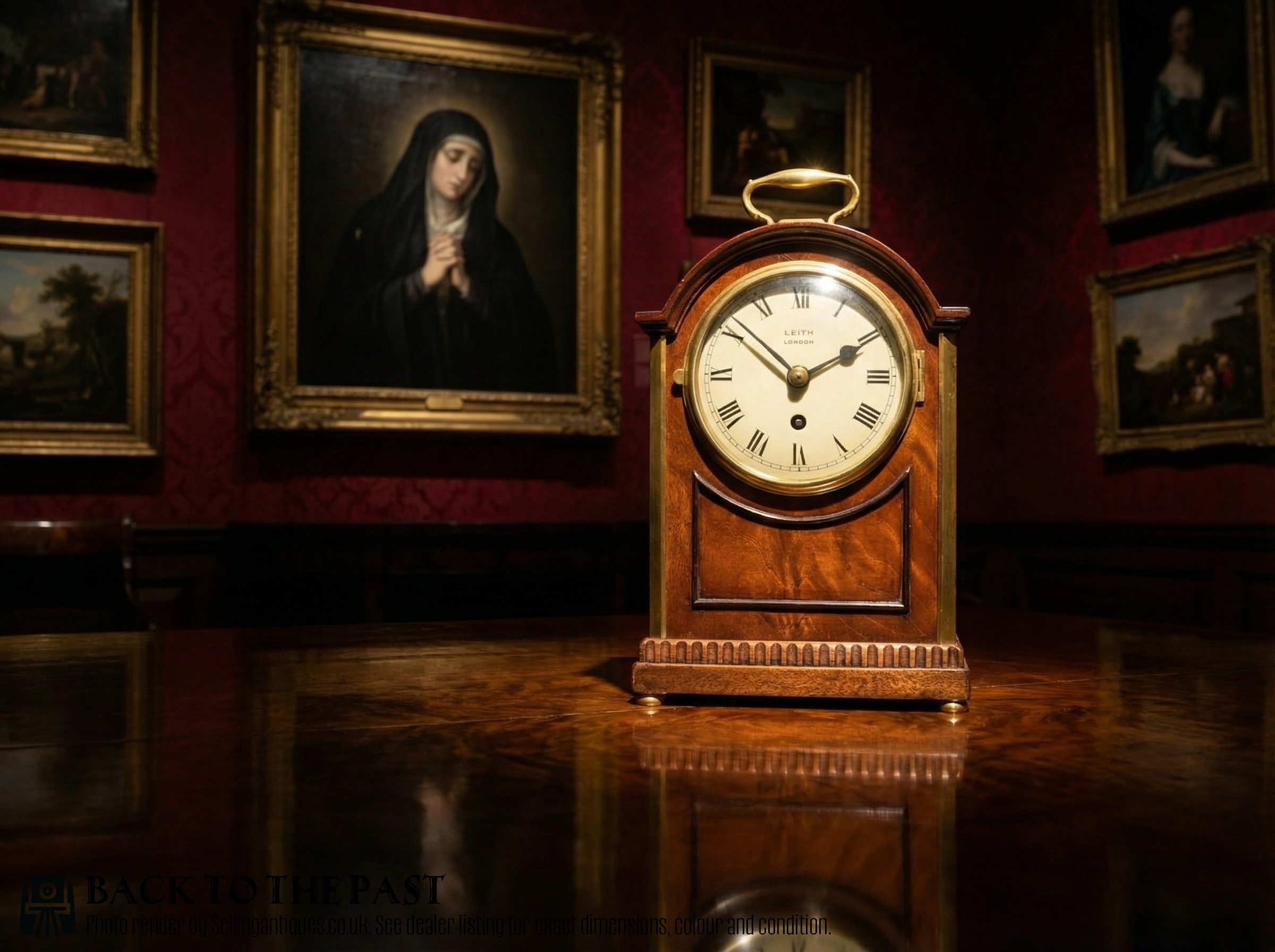
Fusee Movement Table Clock
A fusee movement table clock relies on a specialised mechanism designed to equalize the diminishing torque of the mainspring as it unwinds. When searching for a fusee movement table clock, buyers encounter robust examples spanning the eighteenth, nineteenth, and early twentieth centuries.
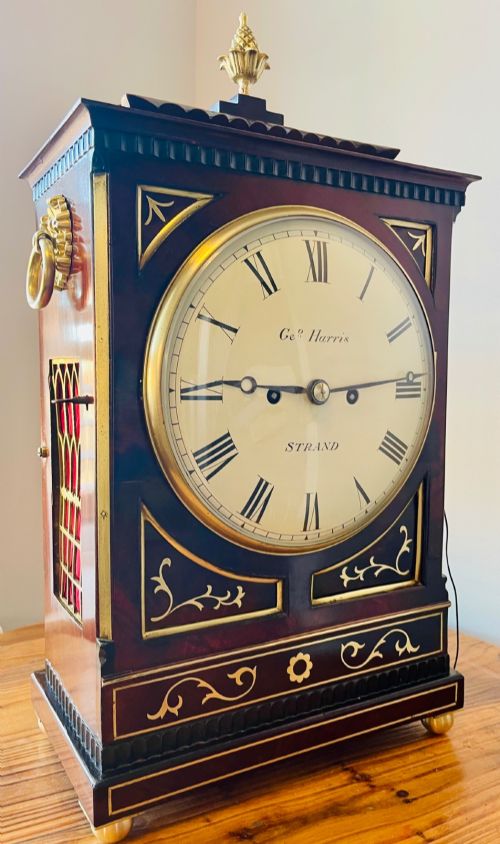
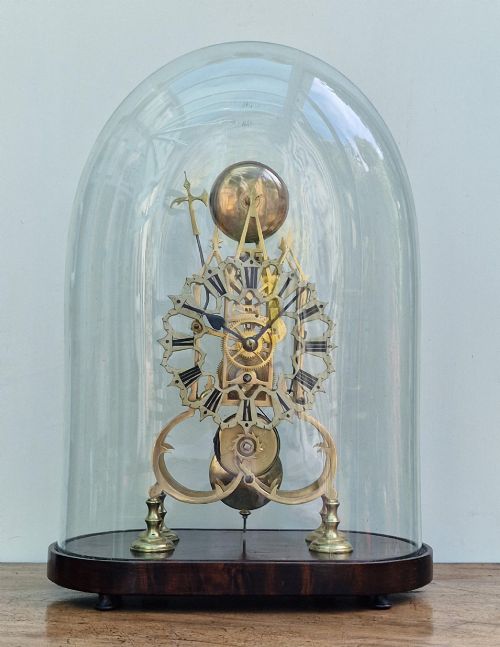
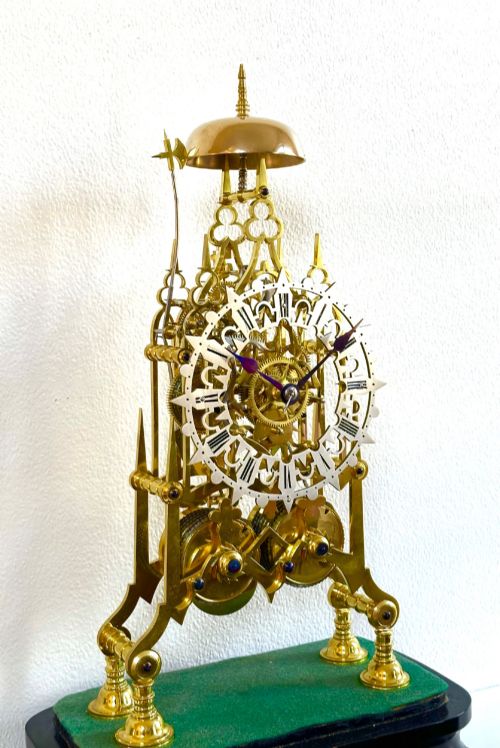
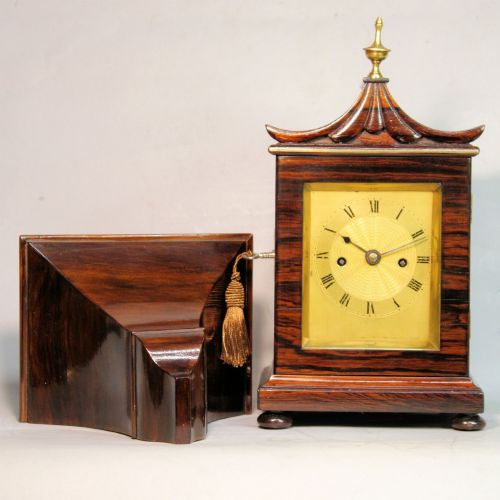
The selections on this page predominantly showcase forms such as bracket clocks, library clocks, and mantel clocks housed in rich timber or gilt metal cases. Styles range from restrained Georgian and Regency designs to elaborate Victorian Gothic and Rococo Revival expressions.
Distinctions in craftsmanship and execution
Quality separates along the precision of the movement engraving and the crispness of the case joinery. Maker signatures from established London or provincial workshops often indicate higher tiers of finishing on the internal plates and escapement components.
Proportion and material selection dictate overall merit. Dense, well-figured timber cases with intact original brass feet, bezels, and fretwork panels outrank examples that have suffered heavy timber replacement or unsympathetic dial repainting.
Listings feature movements spanning the 18th Century through the Edwardian period, housed in mahogany, rosewood, oak, and brass cases.
Spurge Dunmow·Dent·William Payne·John Barwise of London·W. Burton·Phillips Brothers·Somersall London·Budgen Croydon·Funnell of Brighton·Chater & Son London·John Leroux London·John McGregor Wick·Hay London·Plumbly & Tupman London·Osborn of Bognor Regis·Edwards Of London·Henry Berkeley Square London·FB Adams London·John Massey Strand London·Leith of London·Payne of London
The Fusee Movement Table Clock Glossary
- Fusee
- A conical pulley mounted within the clock movement designed to equalize the power of the mainspring. As the spring unwinds, the chain pulls higher up the cone's wider radius to maintain constant torque.
- Bracket clock
- A portable table clock originally designed to sit on a wall bracket to project sound further into a room. Many later examples sat directly on mantelpieces or tables.
- Library clock
- A freestanding timepiece featuring glass panels on multiple sides to expose the mechanical movement. These often employ a single fusee movement for straightforward timekeeping.
- Twin fusee
- A movement incorporating two separate fusee mechanisms and trains, typically separating the timekeeping function from the striking or chiming mechanism.
- Skeleton clock
- A timepiece with a minimal brass framework designed to expose the gear train and escapement from all angles. These are frequently housed under glass domes.
Fusee Movement Table Clock: Frequently Asked Questions
How do I wind a fusee clock?
Wind the clock using the appropriate key inserted into the dial aperture, turning carefully until resistance increases. Ensure you do not overwind the mechanism.
Take care to follow the direction indicated by the maker's instructions or the movement layout, supporting the case as you work.
What is the difference between a timepiece and a striking clock?
A timepiece solely indicates the hours and minutes without producing audible chimes or strikes on the hour. This simpler mechanism often requires a single fusee train.
Striking clocks incorporate an additional train and hammer mechanism to sound the hours or quarters, utilising twin fusee configurations.
Where should I place a table clock?
Position the clock on a stable, level surface away from direct sunlight, drafts, and sudden temperature fluctuations. Heavy tables or firm mantelpieces prevent vibrations that might disturb the pendulum or balance wheel.
Ensure the location allows easy access for winding and routine maintenance without risking knocks to the glass or case.
How do I identify a Regency period clock?
Regency clocks typically display restrained classical proportions, dark mahogany or rosewood veneers, and brass inlay or lion mask mounts. Design cues often reference Egyptian, Greek, or Roman motifs popular in the early nineteenth century.
Movement construction during this era prioritized reliability and clean plate engraving, frequently signed by prominent London watch and clockmakers.