

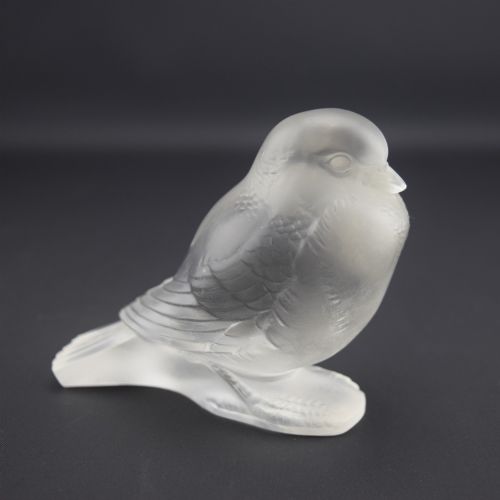
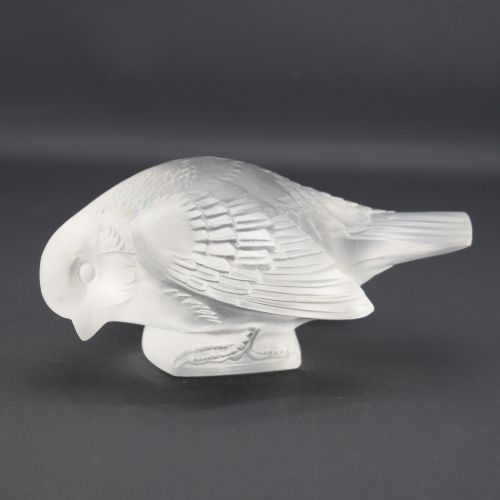
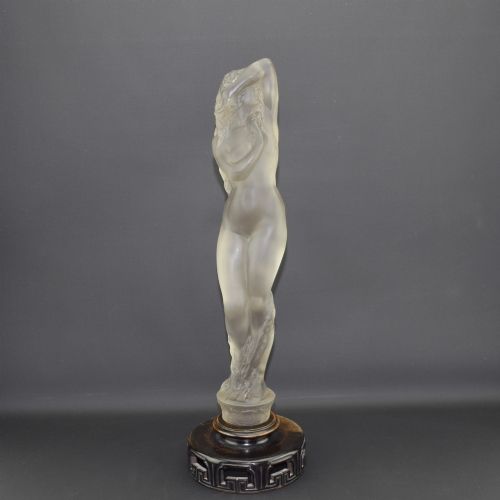
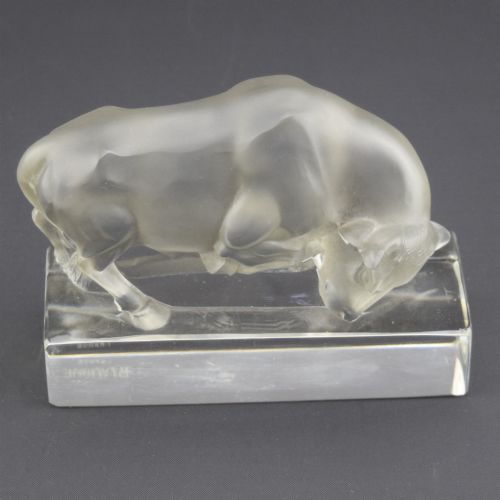
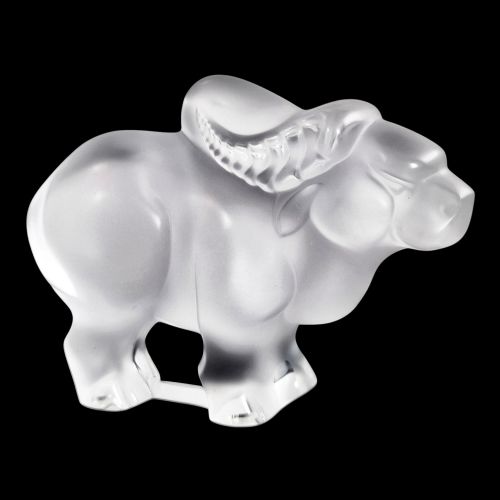
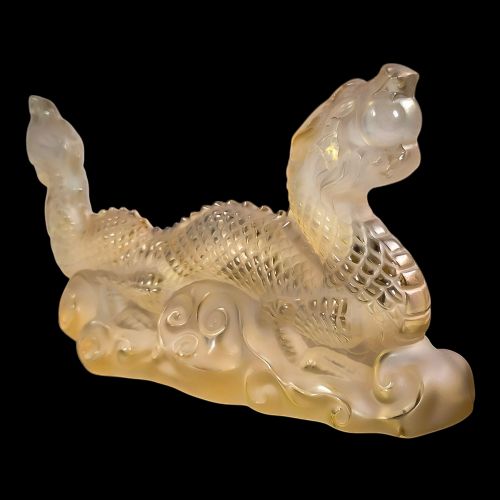
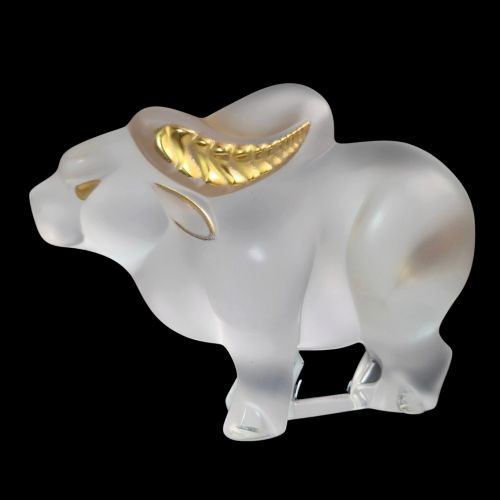
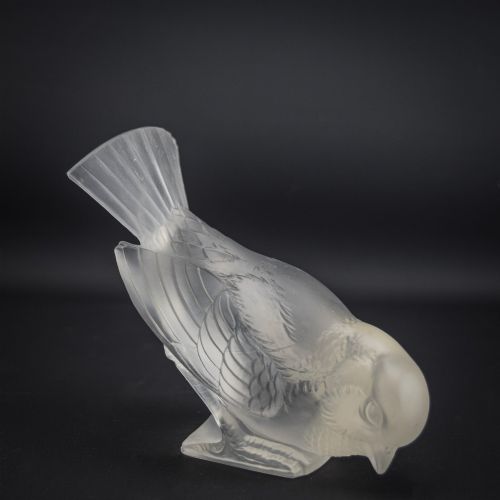
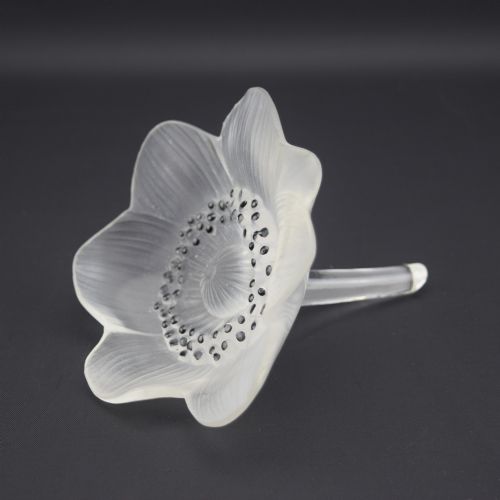
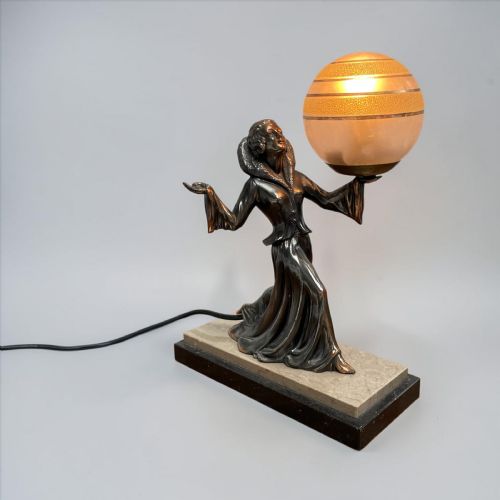


Frosted Glass Sculpture
These frosted glass sculpture pieces combine tactile texture with sculptural form, offering a sculptural presence that catches the light on any mantelpiece.
Frosted Glass Sculpture
A frosted glass sculpture brings together tactile texture and sculptural form, appearing across the Art Deco, Art Nouveau, and Neo-Classical styles. These pieces range from small paperweights and car mascots to table lamps and statuettes.
The selections span periods from the nineteenth century through the 1920s, 1930s, and 1960s, showing origins primarily in French workshops. Animal figures such as sparrows, bulls, and dogs feature alongside human statuettes and figural lamps.
Moulded glass and clear glass combine with frosted surfaces, often mounted on bases of marble, bronze, or spelter. Buyers will encounter both intimate desk objects and larger architectural lamp bases.
Materials and methods
Moulded and pressed glass techniques create the sculptural bodies, employing frosted finishes to diffuse light across detailed surfaces. Clear glass and gold-stamped crystal provide contrast on later twentieth-century editions.
Metal components in bronze and spelter frequently serve as mounting bases or structural lamp parts, sometimes paired with marble or granite plinths. Acid etching or sandblasting achieves the characteristic matte texture on the glass.
Frosted Glass Sculpture Retail Price Guide 2026
Typical asking prices for frosted glass sculpture among the pieces listed under this phrase on Sellingantiques today, from the lower quarter to the upper quarter. They describe what is for sale here now, not the wider market.
Listings feature frosted glass sculpture works alongside bronze, spelter, and marble elements across Art Deco and Art Nouveau styles.
Assessing quality and execution
The integration of mixed materials matters greatly, particularly how securely glass components fit their bronze, spelter, or marble bases. Original mounts and unified patination across metal and glass elevate the piece.
Rene Lalique·Emile Picault·Marius Ernest Sabino·Auguste Moreau
The Frosted Glass Sculpture Glossary
- Frosted glass
- Glass treated by acid etching or sandblasting to create a translucent, matte surface texture. This finish softens transmitted light and highlights moulded relief details.
- Car mascot
- An ornamental figure mounted on the radiator cap of an automobile during the early twentieth century. Many iconic glass versions were adapted later as desk sculptures or paperweights.
- Spelter
- A zinc alloy frequently used in the nineteenth and early twentieth centuries as a substitute for bronze. It accepts metallic finishes such as silvering or bronzing to resemble heavier metals.
- Moulded glass
- Glass formed by pressing molten material into a metal or wooden die to shape intricate patterns. This technique allows for high-relief sculptural designs in mass or limited production.
Frosted Glass Sculpture: Frequently Asked Questions
How do I clean frosted glass?
Wash gently in lukewarm water using mild dish soap and a soft cloth to protect the matte surface. Avoid harsh chemical cleaners and abrasive scrubbers that might alter the texture.
Dry thoroughly with a lint-free towel to prevent water spots from forming on the porous frosted areas.
Where should I place a glass lamp?
Position the piece on a stable surface away from high-traffic edges where accidental bumps could cause damage. Ensure the weight distribution between the glass shade and metal base is secure.
Place the lamp near a neutral background to allow the frosted texture to catch and diffuse the illumination effectively.
Are car mascots fragile?
These glass objects are solid and substantial but remain vulnerable to sharp impacts or drops. Handle them by the main body rather than protruding wings or delicate appendages.
Display them on secure pedestals or within cabinets if heavy vibration or active household use is a concern.
How do I identify Art Deco pieces?
Look for symmetrical geometric lines, stylised animal forms, and streamlined figural representations typical of the interwar period. Common motifs include birds in flight, greyhounds, and stylised female nudes.
Check for the characteristic combination of frosted glass with materials like marble, bronze, or brass.