




Rene Lalique Sculpture
Rene lalique sculpture brings masterwork glass of the early twentieth century into your hands, prized for its sculptural forms and modernist silhouettes.
Rene Lalique Sculpture
When you search for rene lalique sculpture, you uncover a distinct body of work spanning the nineteen tens, nineteen twenties, and nineteen thirties. These objects embody the transition from art nouveau to art deco design through tangible glass forms.
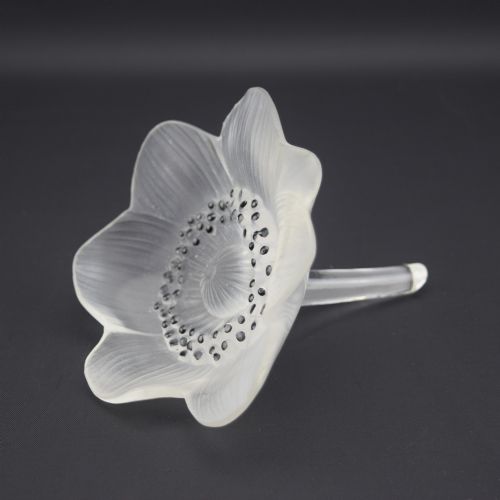
The most common examples on this page are decorative sculptures, paperweights, and car mascots. You will also encounter desk seals alongside specific animal and figural depictions.
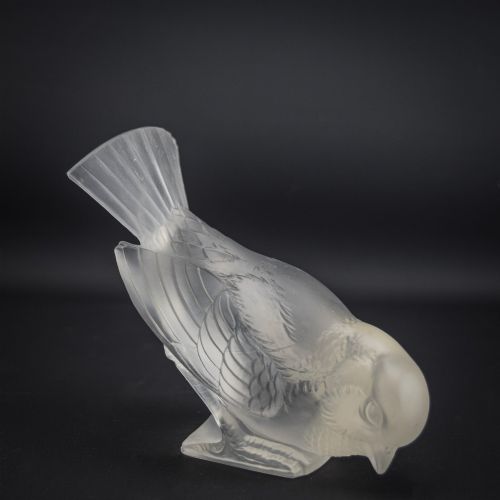
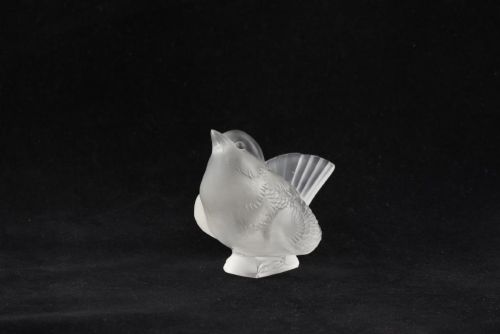
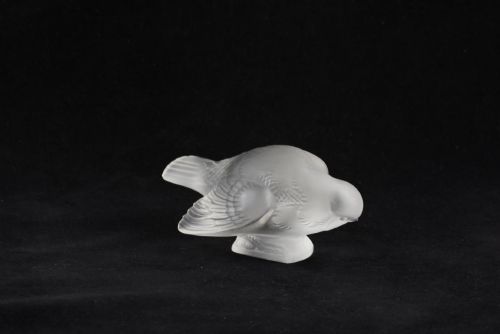
Origins trace directly to the designer's early twentieth century output. The selection ranges from avian paperweights like sparrows to striking automotive ornaments and figurative subjects.
How they were made
Production relies primarily on frosted glass, clear glass, moulded glass, and pressed glass techniques. Opalescent glass, crystal, stained glass, and standard glass also appear across these works.
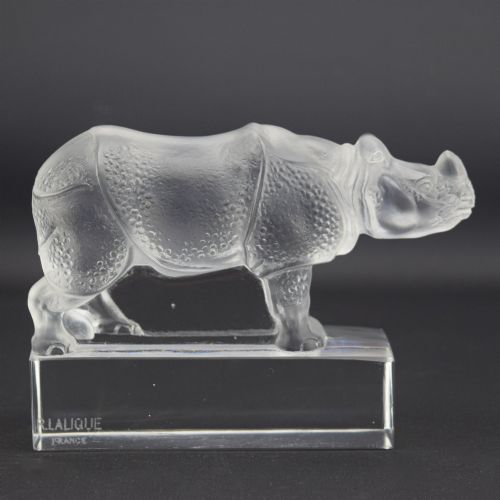
Moulding and pressing allowed for complex sculptural depth, capturing fine feather details in birds and musculature in animals. Surface treatments such as blue staining further accentuate the relief work on select pieces.
Rene Lalique Sculpture Retail Price Guide 2026
Typical asking prices for rene lalique sculpture among the pieces listed under this phrase on Sellingantiques today, from the lower quarter to the upper quarter. They describe what is for sale here now, not the wider market.
Materials represented include frosted glass, clear glass, opalescent glass, crystal, stained glass, and standard glass.
What varies in quality
The depth of colour saturation, particularly in blue stained or topaz variations, dictates visual impact. Successful integration of the glass medium with the underlying sculptural form defines the finer pieces in the range.
Rene Lalique
The Rene Lalique Sculpture Glossary
- Car mascot
- An ornamental sculpture mounted on the radiator cap of an automobile during the early twentieth century. These glass pieces doubled as hood ornaments.
- Opalescent glass
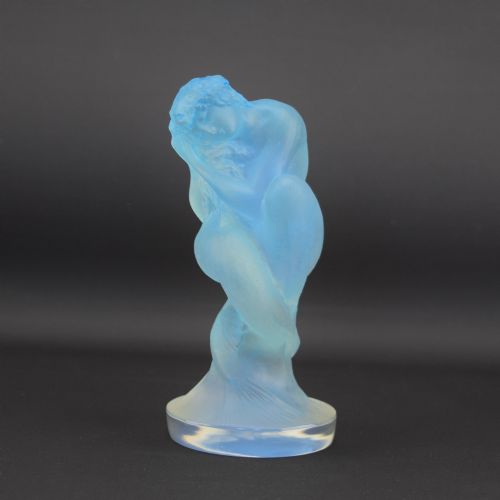
- Glass that diffuses light to show milky blue and amber tones depending on the angle of illumination. It gives figures a luminous depth.
- Moulded glass
- Glass shaped by being pressed into a metal or wooden form while hot. This technique allowed for repeatable sculptural details.
- Cachet
- A French term for a desk seal or stamp, often featuring a carved glass handle and figural terminal. These served both decorative and functional purposes in correspondence.
- Socle
- A short pedestal or plinth supporting a sculpture or paperweight. It provides a stable base for display.
Rene Lalique Sculpture: Frequently Asked Questions
What is a car mascot?
A car mascot is a glass ornament designed to mount on the radiator cap of a motor vehicle during the early decades of the twentieth century. They allowed motorists to personalise their automobiles with miniature sculptures.
Many of these mascots were illuminated from beneath by special radiator fittings. Today, collectors display them off the car on dedicated stands or socles.
How do I identify a paperweight?
Paperweights in this category typically take the form of stylised animals, including sparrows, boars, and rhinoceroses. They are heavy, solid glass objects designed to hold down loose documents.
These pieces combine utilitarian purpose with high artistic design. Their compact forms make them suitable for desk display and close handling.
What is opalescent glass?
Opalescent glass is a specialised formulation that appears milky blue in transmitted light and warm amber in reflected light. It creates a shifting play of colour across the surface of the sculpture.
This optical effect highlights the contours and relief of the moulded glass. It remains a defining characteristic of masterwork glass from this era.
How should I display them?
These sculptures benefit from placement near natural light sources or specialised illumination to reveal the nuances of frosted and opalescent surfaces. Glass shelves or dedicated display cabinets offer optimal visibility.
Keeping them away from direct edges prevents accidental knocks. Handling them with clean hands preserves the historic surface finish.