



Decorative Glass Sculpture
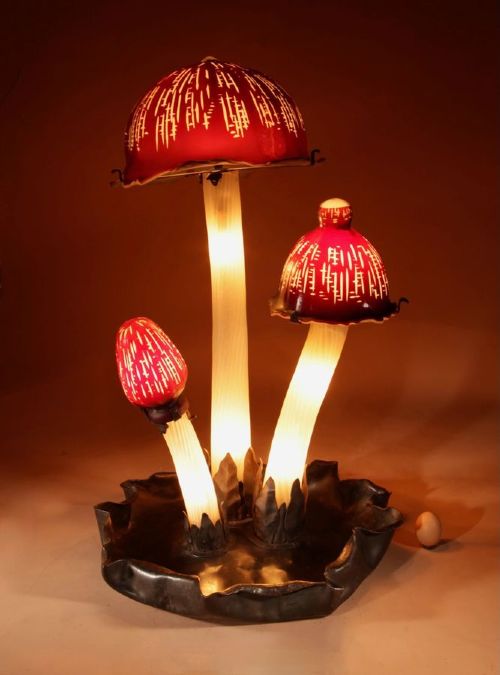
Decorative glass sculpture brings light and form together through cast figures and lamps from the Art Deco and Victorian eras.
Decorative Glass Sculpture
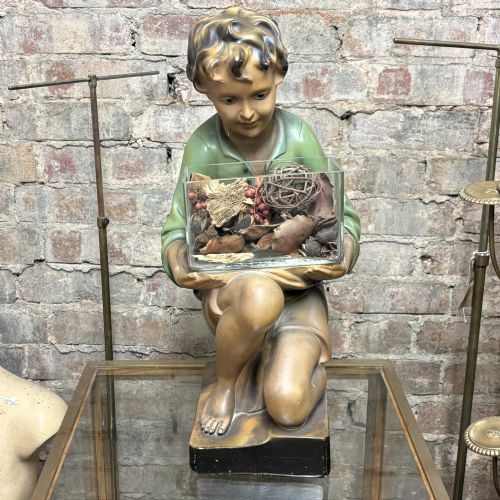
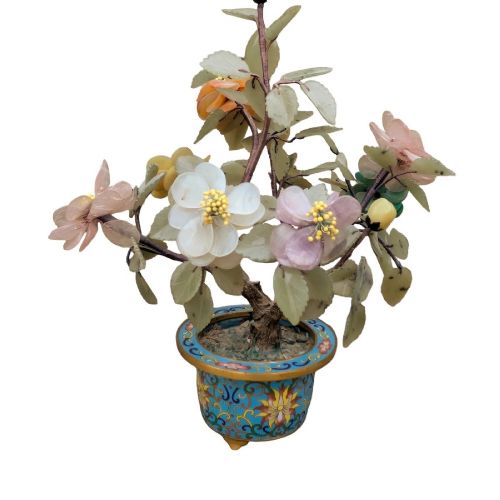
Decorative glass sculpture encompasses table ornaments, paperweights, lamps, and statuettes produced primarily across the nineteenth and twentieth centuries. These pieces combine sculptural presence with the refractive qualities of glass, ranging from clear crystal to frosted and opaline surfaces.
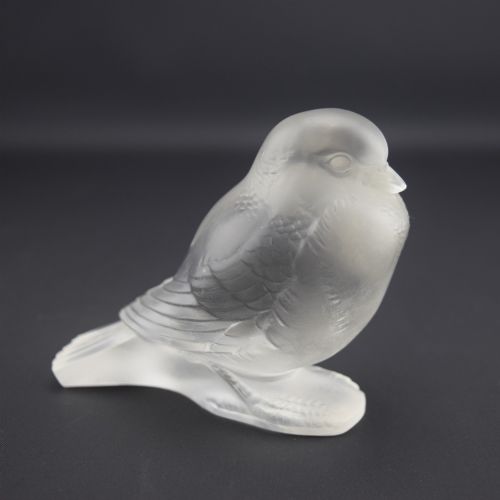
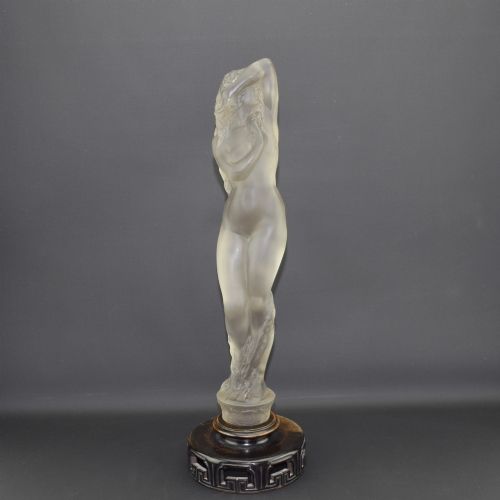
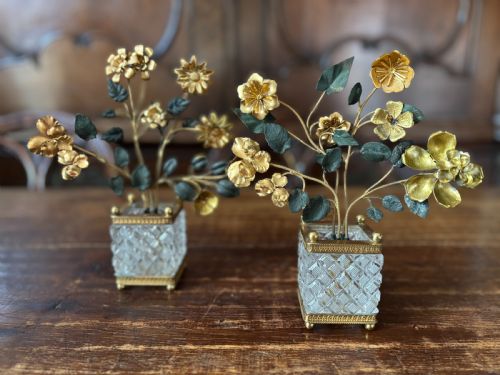
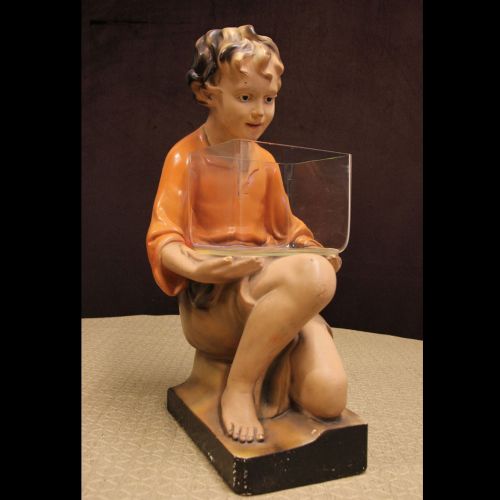
The objects frequently take the form of human figures, animals, and botanical lighting components. Art Deco creations and French studio pieces dominate the selection, often pairing moulded glass with bases of brass, wood, or granite.
Materials and construction methods
Makers utilise pressed and frosted glass techniques to achieve varied opacity and surface texture within a single piece. Molten material is cast into moulds or hand-finished, capturing intricate details in figures and lamps.
Many sculptures incorporate mixed media elements, mounting the glass elements onto wood, brass, or granite plinths. Hardstone details and patinated metal mounts frequently accompany the primary glass components.
Decorative Glass Sculpture Retail Price Guide 2026
Typical asking prices for decorative glass sculpture among the pieces listed under this phrase on Sellingantiques today, from the lower quarter to the upper quarter. They describe what is for sale here now, not the wider market.
Object forms span table lamps, paperweights, glass statuettes, cache pots, and decorative statues originating from France and Bohemia.
Distinctions in quality and execution
Quality rests in the crispness of the moulding and the depth of the finish within the glass body. Superior examples display sharp relief in figures and subtle graduation in frosted or opaline tones.
The integration between the glass sculpture and its secondary materials dictates overall refinement. Pieces that maintain original mounts, patinated bases, and unblemished surfaces demonstrate greater artistic cohesion.
Rene Lalique·Emile Picault·Marius Ernest Sabino
The Decorative Glass Sculpture Glossary
- Pressed glass
- Molten glass shaped by being pressed into a metal mould using a plunger. This technique allows for complex ornamentation and rapid production.
- Frosted glass
- Glass treated to achieve a matte, semi-translucent surface through acid etching or sandblasting. It diffuses light gently across sculptural forms.
- Opaline glass
- A delicate, translucent glass with a milky appearance that often displays subtle fire in pink or blue tones. It was widely used for decorative lighting and ornaments.
- Caryatid
- A sculpted female figure serving as an architectural support or decorative pillar. In sculpture, it often forms the central stem of a lamp or statue.
- Cache pot
- An ornamental container designed to hold a flowerpot. These vessels often feature decorative glass or ceramic bodies.
Decorative Glass Sculpture: Frequently Asked Questions
What is the difference between pressed and moulded glass?
Pressed glass is formed by forcing molten material into a metal mould with a mechanical plunger, leaving a sharp interior and a smoother exterior. Moulded glass encompasses various techniques where glass takes the shape of a form, often requiring hand-finishing.
Sculptures utilising advanced moulding often display finer gradations in opacity and greater sculptural definition than standard pressed items.
How can I date an art deco glass lamp?
Examine the styling of the figurative elements, such as geometric drapery, stylized anatomy, and streamlined silhouettes characteristic of the period. The integration of materials like mottled opaline glass, brass, and granite typically points to production during the early twentieth century.
Maker signatures, mould numbers, and foundry marks etched into the glass or base provide definitive chronological markers.
Are these sculptures suitable for daily use as lamps?
Many decorative glass pieces from the early twentieth century were designed specifically as night lights or table lamps. Original wiring should be inspected by a qualified professional before connecting to modern electrical supplies.
Ensure that heat from the bulb does not exceed the tolerance of the surrounding frosted or opaline glass shade.