

French Wooden Cabinet
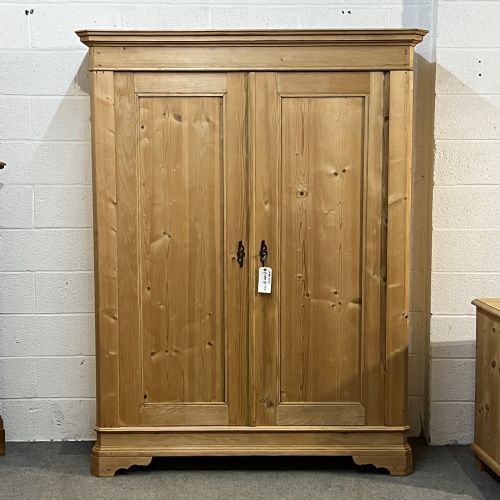
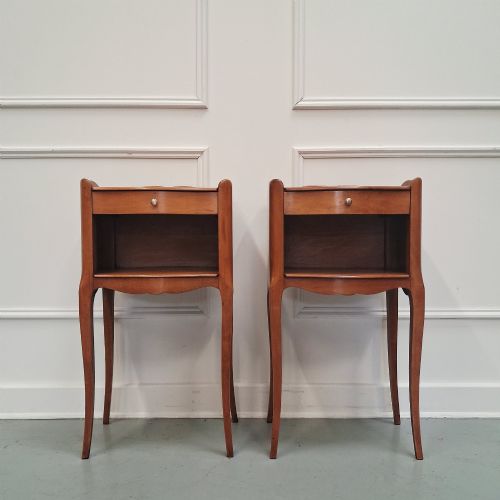
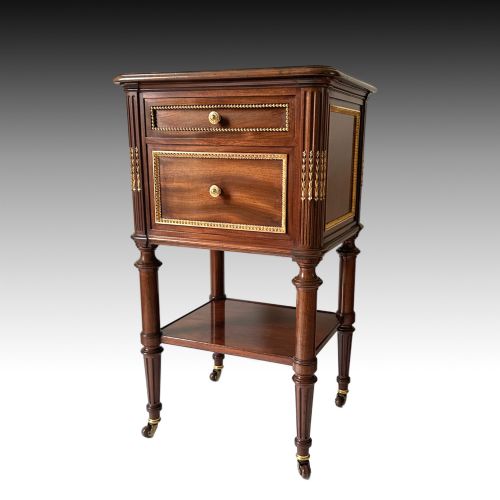
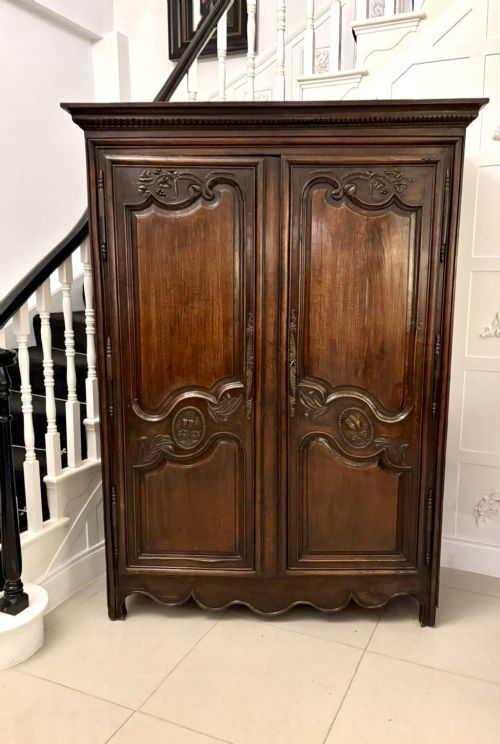
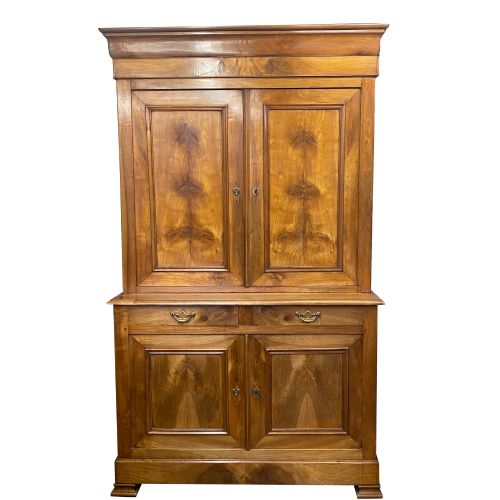
These pieces of french wooden cabinet range from provincial pine armoires to refined walnut bedside tables.
French Wooden Cabinet
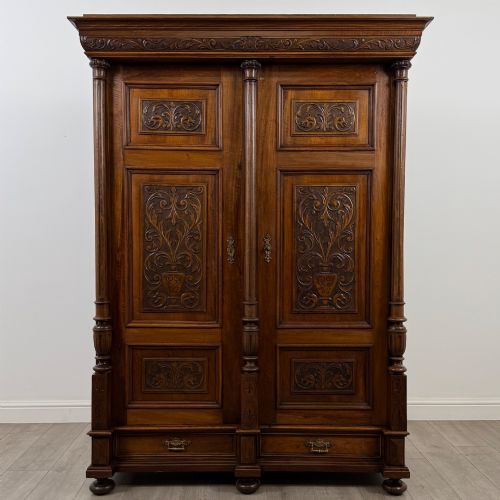
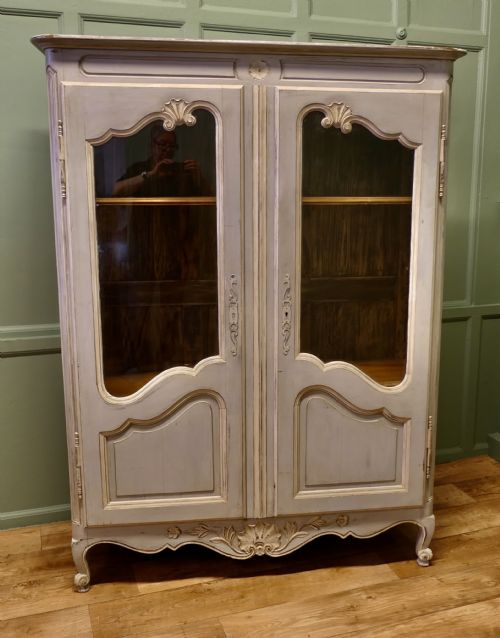
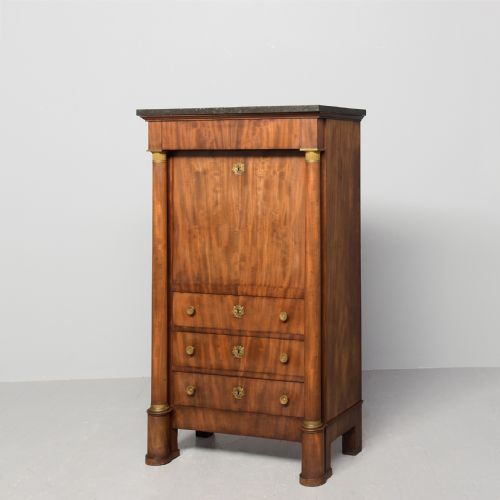
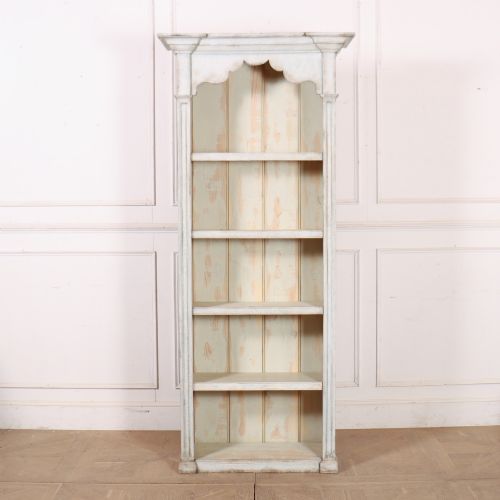
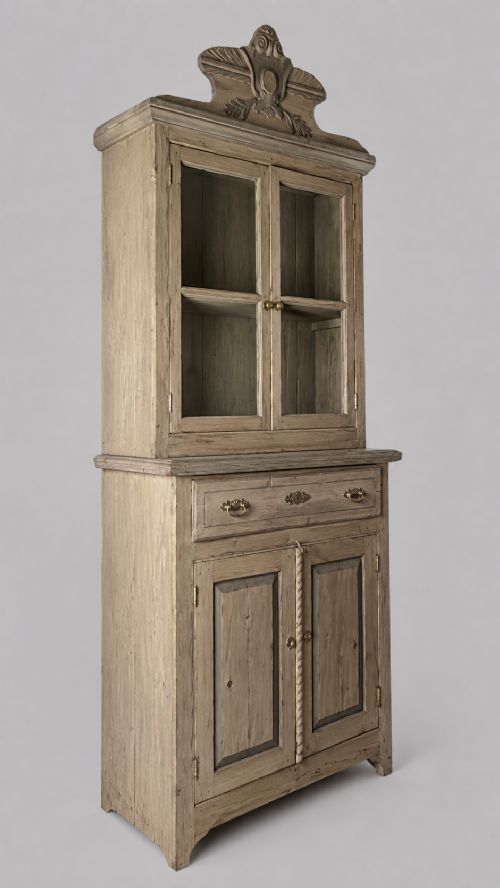
A french wooden cabinet serves domestic storage needs through a variety of historical forms such as bedside tables, armoires, commodes, and bookcases. These items originate from periods spanning the seventeenth century through to the art deco era of the twentieth century.
The selection on this page relies heavily on nineteenth-century pieces, alongside items from the eighteenth and twentieth centuries. Buyers frequently encounter regional styles like French Provincial and French Country alongside more formal revivals.
Forms vary from utilitarian housekeeper cupboards and dough bins to decorative lamp tables and vitrines. Each object reflects the domestic requirements of its specific period of origin.
How They Were Made
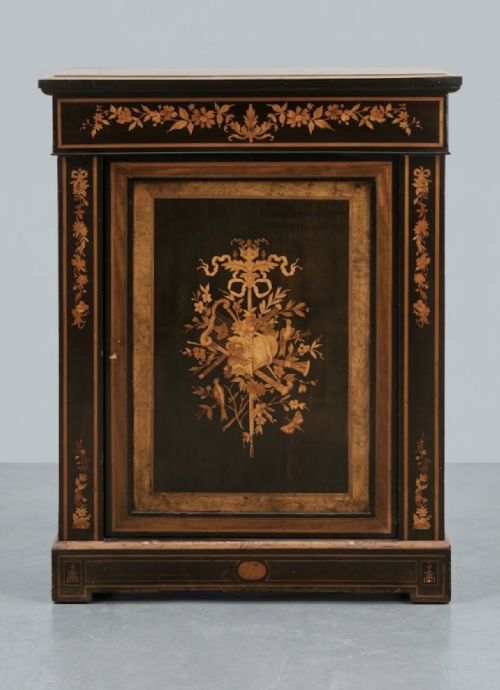
Cabinet makers utilised local timbers including walnut, oak, cherrywood, mahogany, and pine for the primary carcases and solid wood panels. Marquetry and inlaid veneers of exotic woods frequently embellish the surfaces of finer decorative pieces.
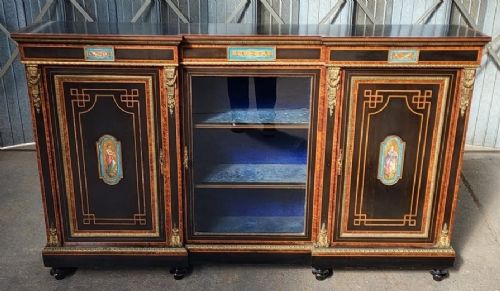
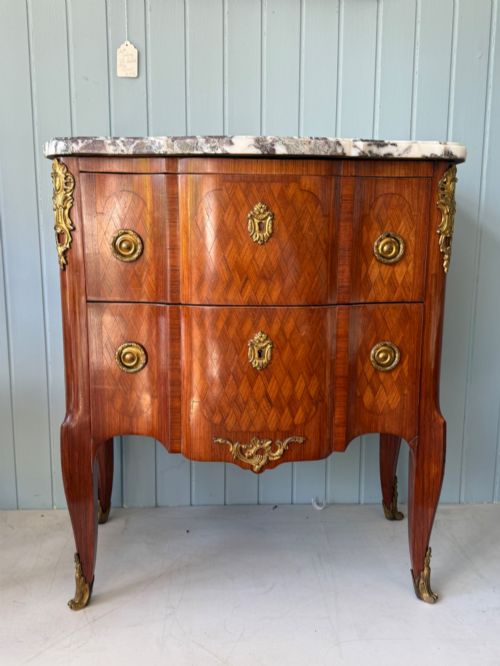
Metal mounts in brass and ormolu provide structural reinforcement and decorative accenting, particularly on commodes and side cabinets. Marble tops appear on several bedside chests and tables to offer durable, wipeable upper surfaces.
Glass panels feature in glazed bookcases and vitrines, whilst painted finishes and faux bamboo treatments demonstrate the varied surface preparations applied across different regional workshops and periods.
A marine vanity cabinet built with an integrated sink for a yacht proves that even sailors required proper washing facilities.
What Varies in Quality
The standard of timber selection and the precision of joinery determine the integrity of the cabinet carcase. Solid wood construction in regional oak or cherry contrasts with applied decorative veneers on kingwood or mahogany frames.
Chiselled ormolu mounts and intricate marquetry detailing indicate workshop investment in ornamentation. Simple painted pine items serve functional domestic roles, whereas marquetry commodes and marble-topped tables reflect higher design ambitions.
Edward Holmes Baldock
The French Wooden Cabinet Glossary
- Ormolu
- Gilded bronze mounts applied to furniture for decorative effect. This technique was common on eighteenth and nineteenth-century pieces.
- Marquetry
- Fitted pieces of veneer forming decorative patterns on a wooden surface. Craftsmen used various coloured woods to create pictorial designs.
- Commode
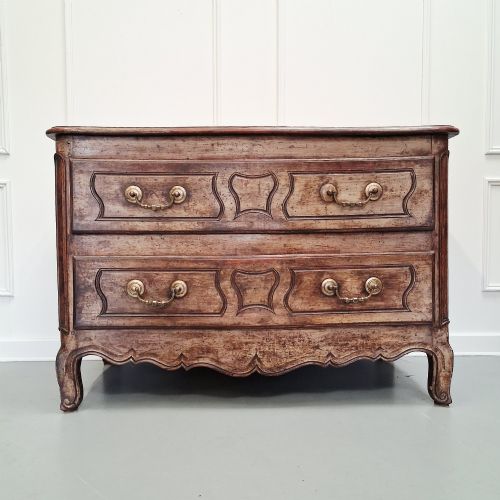
- A low chest of drawers, typically dating from the eighteenth or nineteenth century. The form originated in France.
- Vitrine
- A glass-fronted cabinet designed for displaying porcelain or curiosities. These items often feature detailed woodwork or painted finishes.
- Armoire
- A large wardrobe or cupboard used for hanging garments or storing linens. French provincial examples often display heavy solid oak construction.
French Wooden Cabinet: Frequently Asked Questions
How do I date a cabinet?
Dating relies upon timber choice, construction methods, and stylistic cues present in the hardware and mouldings. Pieces from the eighteenth century often display hand-cut joinery and native fruitwoods.
Later nineteenth and twentieth-century items incorporate machine-sawn elements and varied revival styles. Comparing the carcass construction with known period examples helps establish an approximate decade.
Where should I place a cabinet?
Bedside tables and small lamp tables suit bedroom and living room layouts where surface space is required. Larger armoires and bookcases demand substantial wall space and appropriate ceiling clearance.
Humidity and direct sunlight affect antique wood and veneer over time. Positioning pieces away from heat sources preserves the stability of the timber.
Are marble tops original?
Marble tops frequently accompany commodes and bedside cabinets from the nineteenth and twentieth centuries. They provided a practical, heat-resistant surface for washing equipment and daily items.
Matching the stone type and edge profile to the period of the wooden base confirms its authenticity. Many surviving pieces retain their fitted stone inserts.
What is French Provincial style?
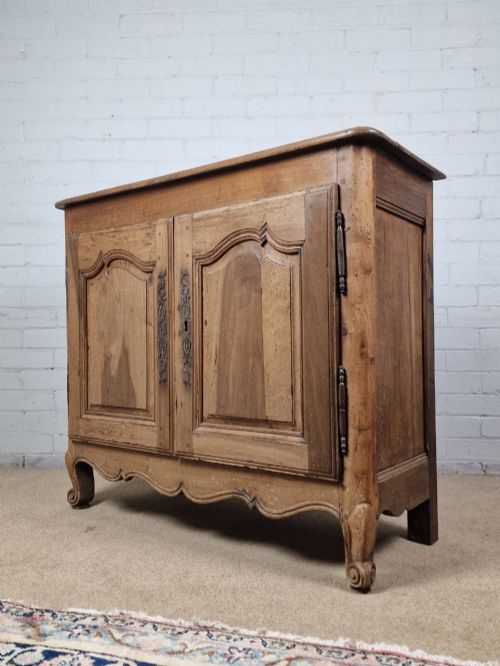
French Provincial furniture represents domestic pieces made outside Paris during the seventeenth and eighteenth centuries. These items prioritise sturdy local construction in oak or cherry over courtly elaboration.
Carved details remain simpler and more robust than Parisian counterparts. The style emphasises utility combined with regional craftsmanship.