





French Walnut End Table
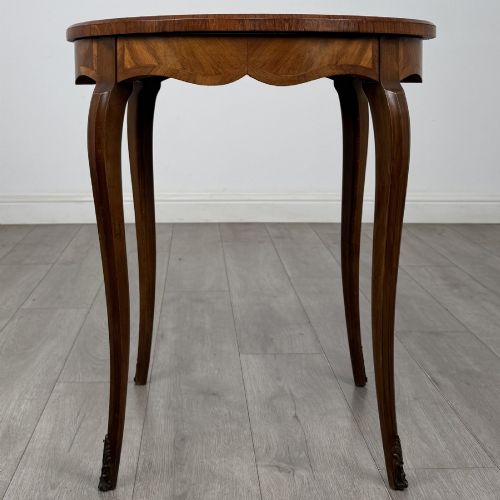
A french walnut end table brings warmth and utility to a room, offering compact timber surfaces shaped by Continental design traditions.
French Walnut End Table
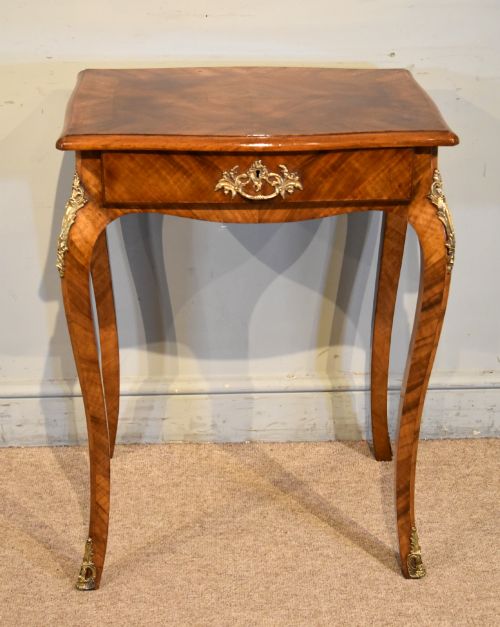
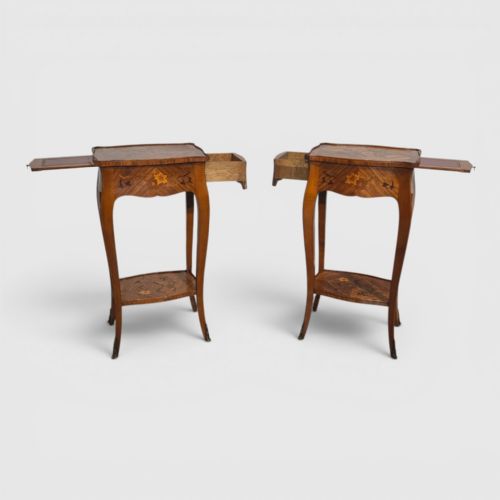
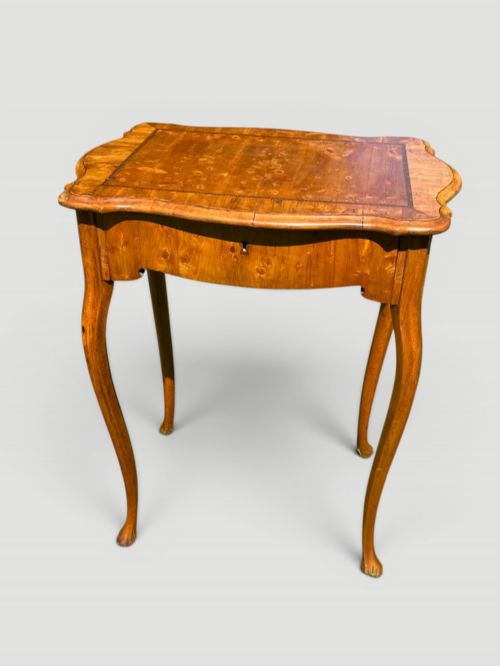
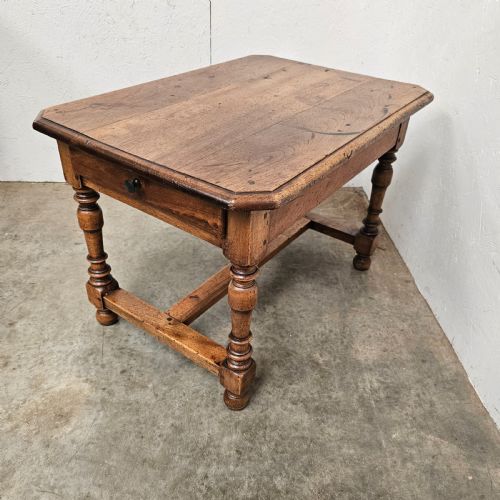
A french walnut end table appears in various forms across this selection, including side tables, bedside cabinets, occasional tables, and nests of tables. These pieces serve as functional small-scale furniture designed to sit beside seating or beds.
The material palette centres on walnut and burr walnut, sometimes enhanced by walnut veneer, kingswood, and satin walnut. Many examples date from the nineteenth century and the early decades of the twentieth century, reflecting periods from the 1850s to 1930.
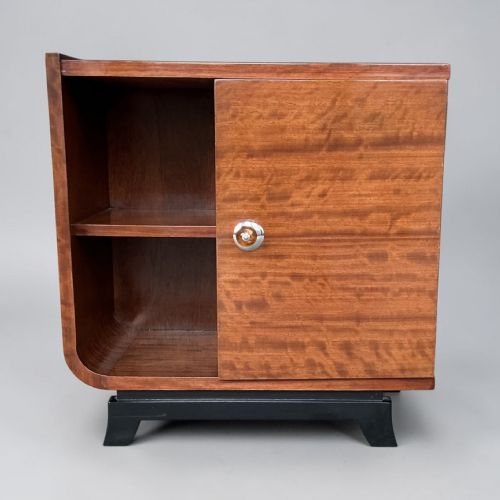
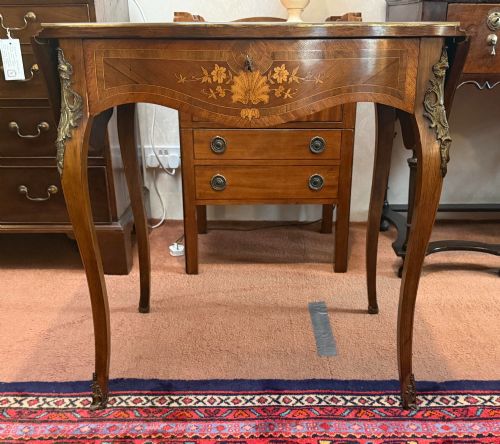
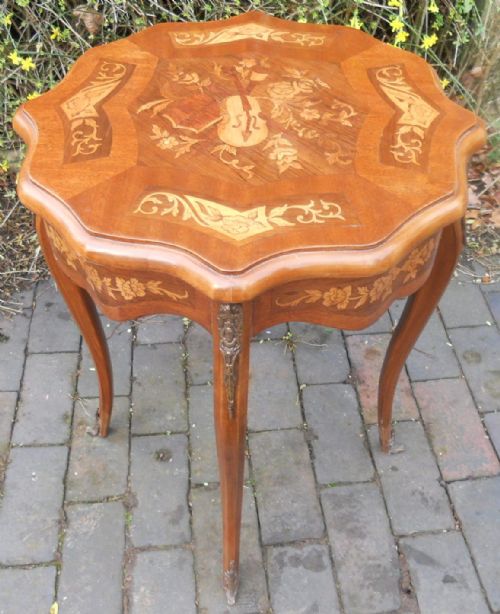
Makers and designers drew on distinct aesthetic movements, producing items in Art Deco, Louis XV Revival, Louis XV style, and French Provincial idioms. Buyers encounter everything from clean-lined 1930s consoles to highly decorative nineteenth-century marquetry pieces.
Assessing craftsmanship
Quality rests on the selection of timber veneers, where balanced grain matching on quartered or burr walnut tops creates a coherent visual focal point. The precision of parquetry inlay and the crispness of ormolu mounts distinguish standard production from finer workshop output.
Proportion and scale dictate the elegance of smaller tables, with diminutive or neat dimensions requiring careful joinery to maintain stability without heavy frames. The integration of drawers, drop leaves, or nested designs reveals the underlying rigour of the maker's construction methods.
French Walnut End Table Retail Price Guide 2026
Typical asking prices for french walnut end table among the pieces listed under this phrase on Sellingantiques today, from the lower quarter to the upper quarter. They describe what is for sale here now, not the wider market.
Listings feature walnut, burr walnut, and walnut veneer alongside brass and ormolu mounts across pieces dated from the mid-nineteenth century to 1930.
Charles Topino·Jules Leleu
The French Walnut End Table Glossary
- Burr walnut
- Timber taken from a tree growth that produces swirling, highly figured grain patterns. This wood is sliced into veneers for decorative table tops.
- Ormolu
- Gilt bronze mounts applied to furniture for decorative effect. These cast metal ornaments are typical of Louis XV Revival pieces.
- Parquetry
- Geometric wood mosaic work used for tabletops and surfaces. Small pieces of contrasting timber are fitted together to form patterns.
- Marquetry
- The art of applying pieces of veneer to a structure to form decorative pictures or designs. Floral motifs frequently appear in this work.
- Gueridon
- A small French occasional table supported by one or more columns or pedestals. These tables serve multiple functions in a room.
French Walnut End Table: Frequently Asked Questions
What is a french walnut end table used for?
These compact tables provide a stable surface for lamps, books, and decorative objects beside armchairs or beds. Their small footprint allows them to fit into tight spaces where larger furniture is impractical.
Many examples feature drawers or tiered shelves, offering hidden storage or display options for daily use in living spaces and bedrooms.
How do I identify an Art Deco piece?
Art Deco models from the 1920s and 1930s rely on geometric forms, clean lines, and smooth polished walnut surfaces rather than ornate carving. They discard historical revival motifs in favour of streamlined, modern silhouettes.
Look for symmetrical wood grains, architectural shaping, and the absence of applied ormolu mounts or elaborate floral marquetry.
What is the difference between side and bedside tables?
Bedside tables and cabinets often incorporate enclosed cupboards or specific drawer configurations suited for bedside storage. They tend to be paired as matching sets.
Side tables and occasional tables focus on open surfaces and display space, designed for general placement around reception rooms rather than specifically for the bedroom.
How do I care for antique walnut furniture?
Keep walnut furniture away from direct sunlight and heat sources to prevent the wood veneers from drying out or splitting. Gentle dusting with a dry cloth maintains the finish.
Avoid using silicone-based polishes, as they build up residue over time and dull the natural lustre of the polished wood and marquetry.