



French Deco Nightstand
These French deco nightstand examples bring architectural balance and rich timbers beside the bed, shaped by the distinct geometry of the nineteen-twenties and nineteen-thirties.
French Deco Nightstand
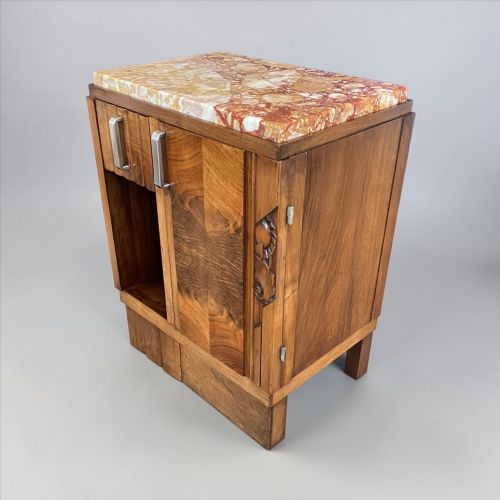
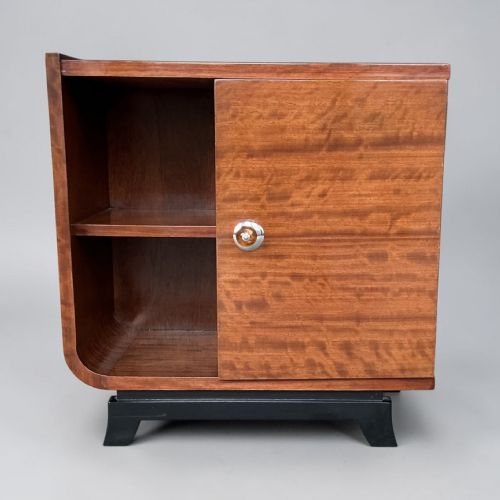
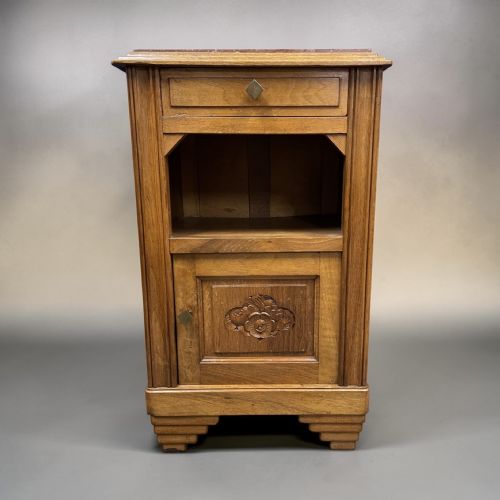
A french deco nightstand typically appears as a compact bedside cabinet or table, designed during the nineteen-twenties and nineteen-thirties in the Art Deco style. These small storage pieces and display surfaces organise the bedside with clean lines and geometric proportions.
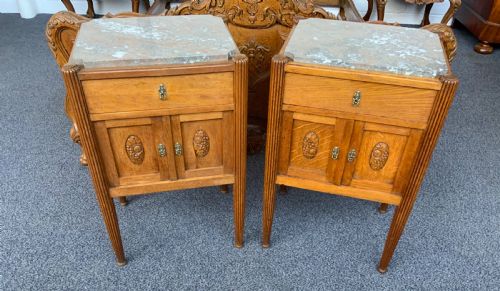
Most examples on this page take the form of bedside cabinets constructed in France, frequently found in matched pairs. Alongside enclosed cupboards and drawers, the selection includes related side tables and occasional bedside tables sharing the same period aesthetic.
The originators of these designs favoured compact footprints that maximised utility within the bedroom without cluttering the floor space. Consequently, a buyer encounters low wooden carcasses that often integrate useful open niches or small doors.
How they were made
Cabinet makers utilised dense hardwoods such as mahogany and oak as structural foundations, frequently applying burr walnut veneers to display dramatic grain figures across the drawer fronts and doors. These timber surfaces received polished finishes that accentuated the natural patterns of the wood.
Designers incorporated contrasting elements of marble for the tops, alongside brass and chrome for handles, feet, and decorative trims. Metal components such as wrought iron and spelter also appear, particularly in related lighting pieces associated with the period.
French Deco Nightstand Retail Price Guide 2026
Typical asking prices for french deco nightstand among the pieces listed under this phrase on Sellingantiques today, from the lower quarter to the upper quarter. They describe what is for sale here now, not the wider market.
Current listings span the nineteen-twenties and nineteen-thirties, featuring oak, mahogany, walnut, marble, brass, and chrome.
What varies in quality
Quality rests in the precision of the veneer work and the harmony of the timber selection across the cabinet faces. Superior examples display carefully matched grain patterns that mirror one another across pairs, showing deliberate planning by the cabinet maker.
The integration of secondary materials like fitted marble slabs and metal mounts distinguishes finer pieces from simpler utility items. Well-executed corner joints and smoothly operating drawers indicate higher standards of workshop production during the interwar period.
The French Deco Nightstand Glossary
- Art Deco
- A design style emerging in the nineteen-twenties characterised by stylised motifs, symmetrical geometry, and streamlined forms. It influenced architecture, furniture, and decorative arts across Europe and America.
- Burr walnut
- A figured timber harvested from the growths or burrs on walnut trees, prized by cabinet makers for its swirling, highly decorative grain patterns. It is typically sliced into thin veneers for furniture surfaces.
- Spelter
- A zinc alloy commonly used in the nineteen-twenties for casting decorative figures and lamp bases, often given a metallic bronze or painted finish. It offered an affordable alternative to solid bronze.
- Veneer
- A thin layer of superior hardwood applied over a more stable secondary timber carcass to provide a decorative exterior surface. This technique allowed makers to utilise striking grain figures efficiently.
French Deco Nightstand: Frequently Asked Questions
Are these nightstands usually sold in pairs?
Many of these bedside cabinets and tables appear in matched pairs, reflecting the traditional arrangement of twin beds in interwar bedrooms.
Single examples also occur, often originating from larger suites or custom bedroom configurations.
What materials define this period of furniture?
Makers relied heavily on woods like oak, mahogany, and walnut, frequently combined with contrasting marble tops for durability and visual impact.
Metal accents in brass, chrome, and wrought iron further characterise the aesthetic of these nineteen-twenties and nineteen-thirties pieces.
How do I distinguish these from later styles?
Authentic pieces from this era exhibit the strict geometric symmetry and stepped profiles typical of French Art Deco design.
The specific combination of figured veneers, original metal hardware, and period construction methods separates them from modern reproductions.
Can these cabinets fit modern beds?
Their compact nineteenth-century and interwar proportions usually allow them to sit comfortably alongside contemporary mattress heights.
Buyers should verify the specific height of the marble or wooden top against their bed frame before purchase.