



French Vitrine Table
These French vitrine table pieces combine glazed display surfaces with refined woodwork to showcase precious objects.
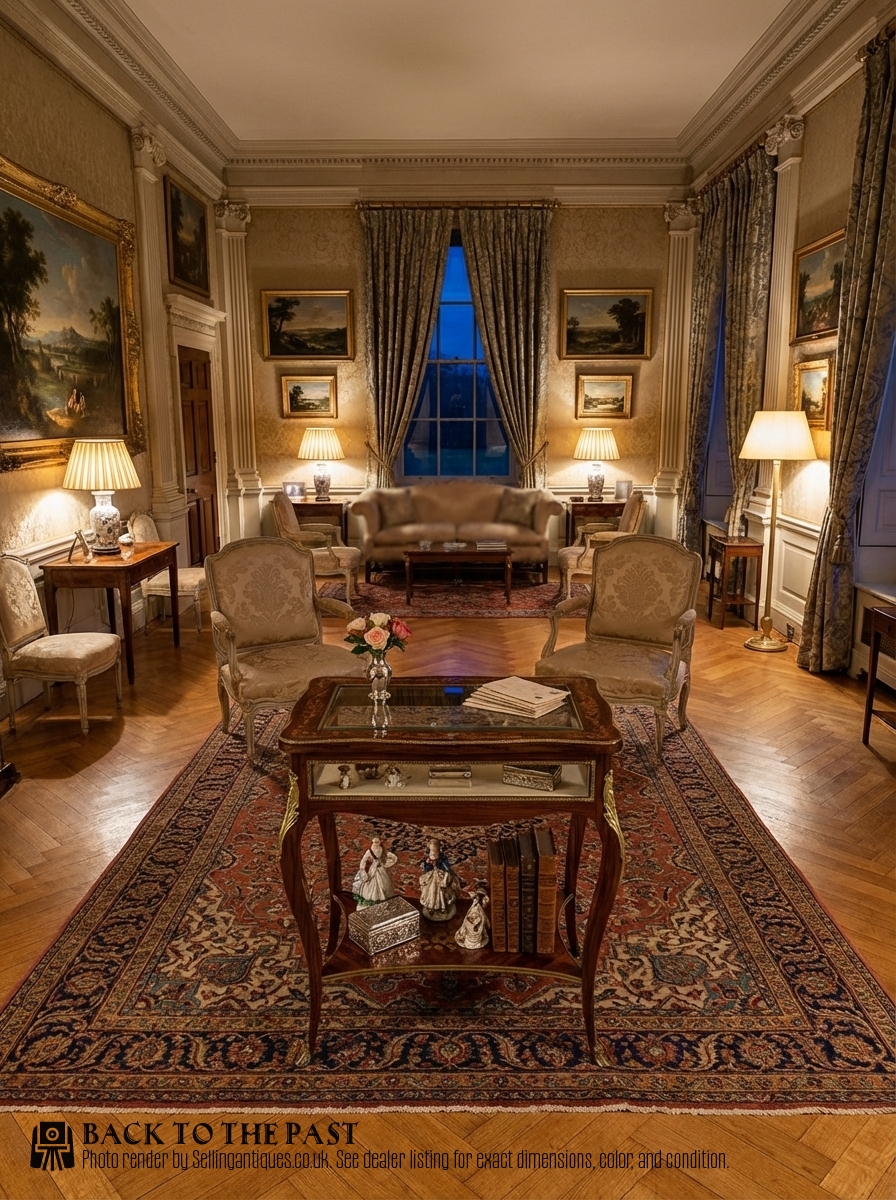
What a french vitrine table is
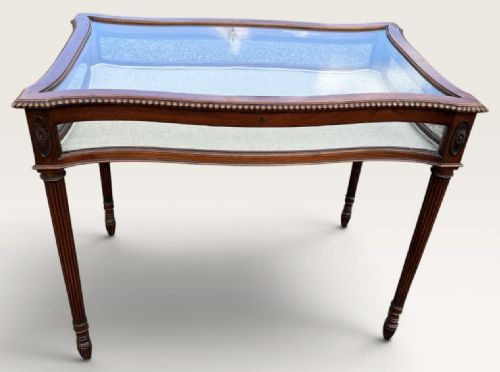
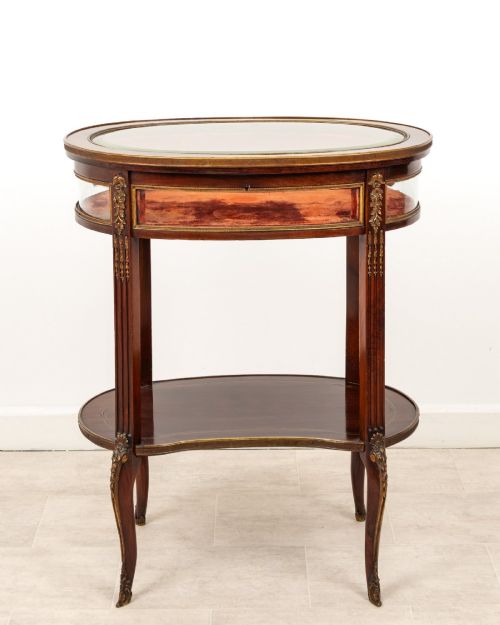
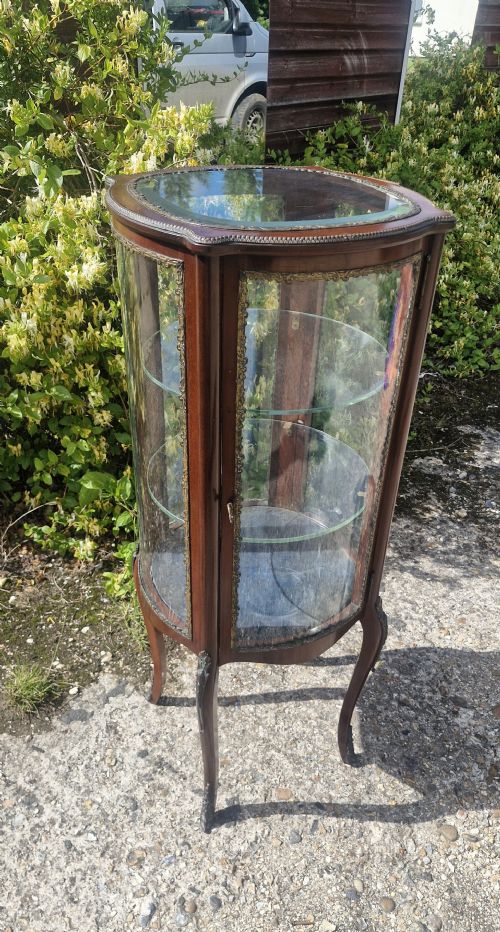
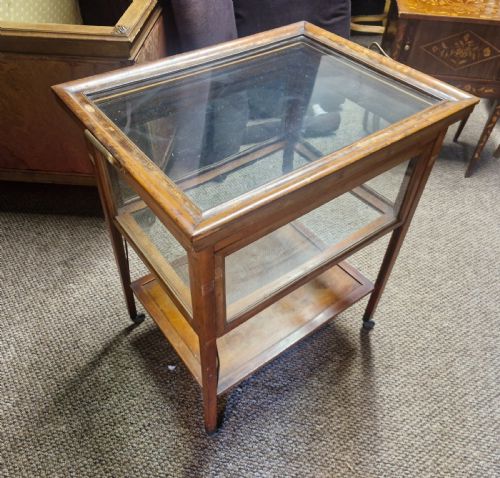
A French vitrine table functions primarily as a display surface for small valuables, housing items beneath a glass top while elevating them on slender legs. These pieces merge the purpose of a showcase with the form of a table, serving collectors who wish to exhibit curiosities.
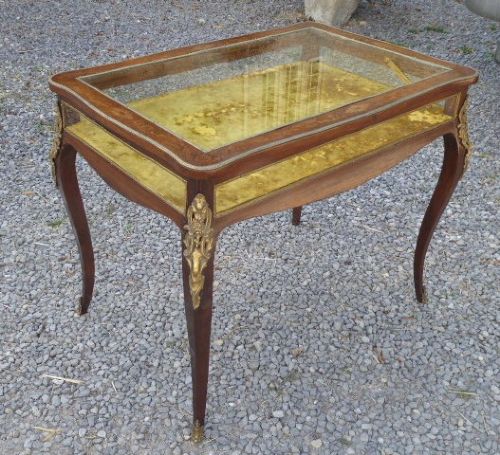
The versions most frequently encountered on this page span the nineteenth and twentieth centuries, incorporating revival aesthetics such as Louis XV and Louis XVI styles. Such examples originate from French workshops and utilise traditional cabinet-making conventions.
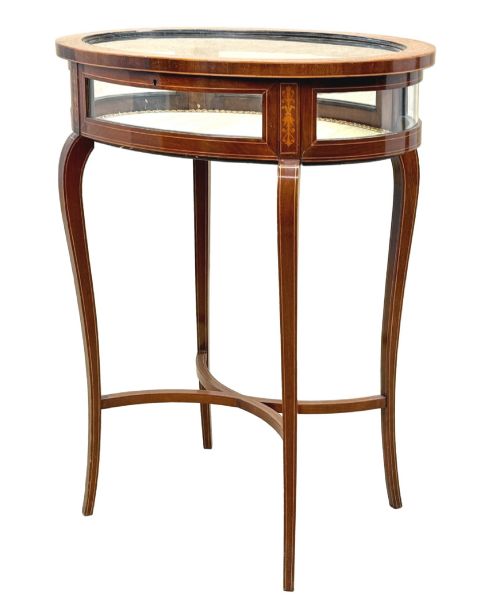
Common alternative designations in the evidence include bijouterie tables, display tables, and table vitrines. These formats range from rectangular mahogany constructions to trefoil shapes inlaid with brass.
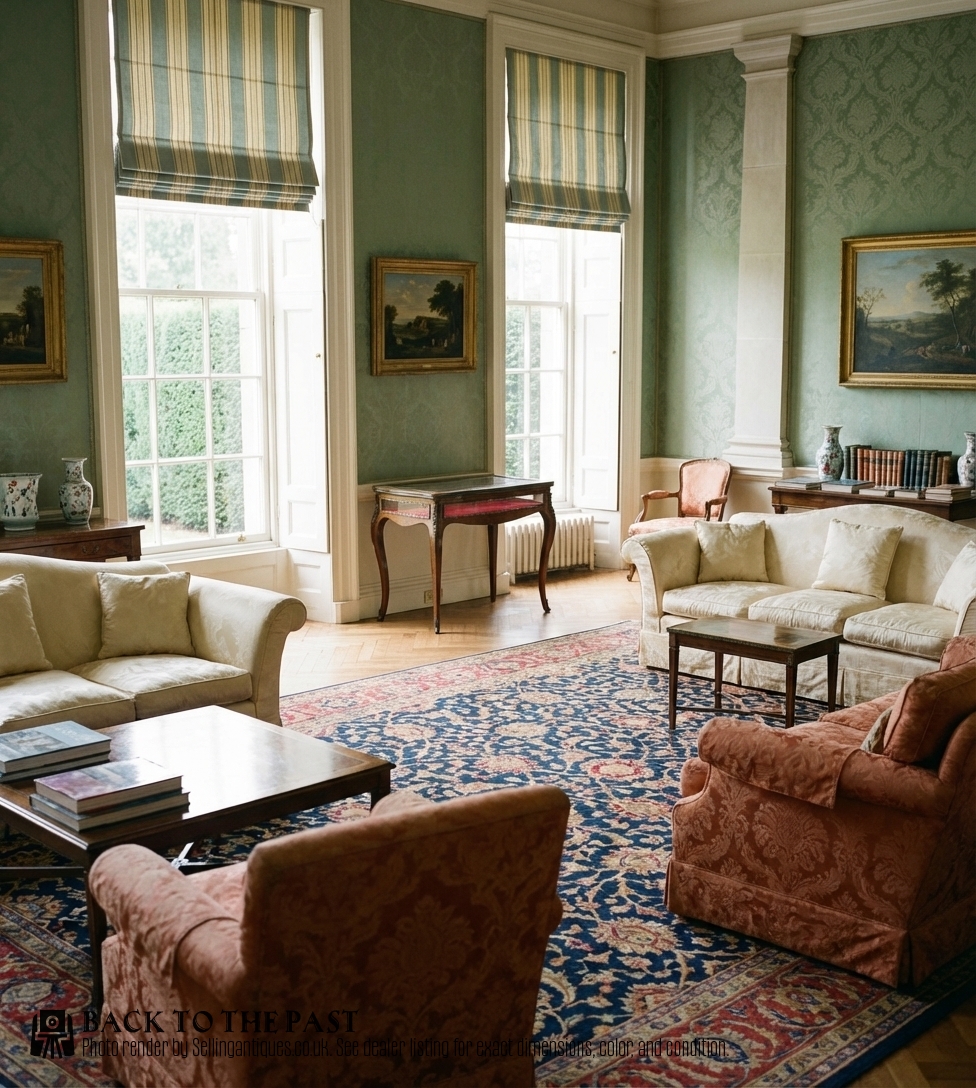
How they were made
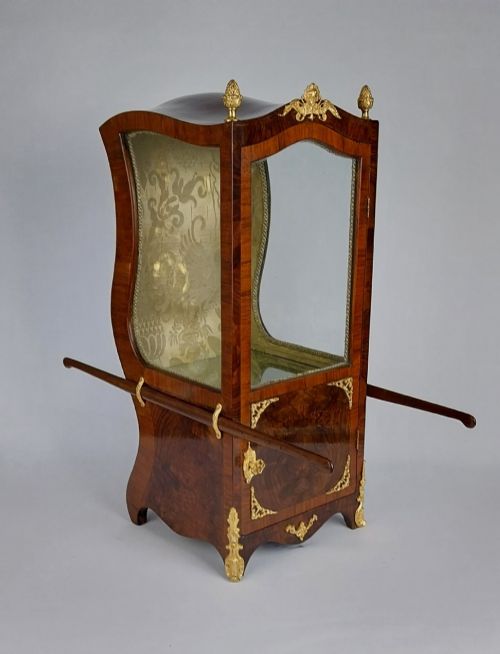
Makers constructed the structural frames of these tables using dense hardwoods such as mahogany, rosewood, and kingwood, occasionally applying marquetry patterns. Glass panels were then fitted into the tops and sides to create enclosed display chambers.
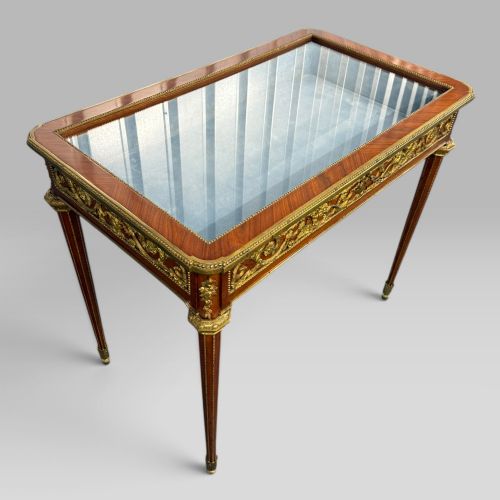
Metal ornamentation played an essential structural and decorative role, with ormolu, gilt bronze, and brass mounts fixed around the glass edges, legs, and aprons. Fabric linings frequently covered the interior floor of the display area to cushion laid-out items.
Retail Price Guide 2026
Typical UK retail prices for french vitrine table, calculated from the Sellingantiques database of over a million retail prices indexed since 2003. This retail price guide relies exclusively on Sellingantiques data; no external sources or auction records are used, so the figures do not describe the wider market.
Listings feature mahogany, rosewood, and kingwood alongside glass, ormolu, and fabric components across nineteenth-century and twentieth-century periods.
What varies in quality
The refinement of the cast metal mounts distinguishes high-end examples from simpler productions, with chased gilt bronze and ormolu demonstrating superior sculptural depth compared to standard brass. The crispness of the gilt-bronze detailing and the weight of the bronze mounts indicate the level of workmanship invested by the maker.
The choice of cabinet woods and the intricacy of the underlying carpentry create clear distinctions across the range. Finer pieces employ carefully selected rosewood or kingwood veneers alongside precise joinery, whereas standard examples rely on plainer mahogany.
François Linke
The French Vitrine Table Glossary
- Bijouterie table
- A small display table specifically designed for holding jewellery and small precious items beneath glass. This form became particularly popular during the nineteenth century for drawing rooms.
- Ormolu
- Gilded brass or bronze applied to furniture mounts and decorative objects. The technique involves coating base metal with a mercury-gold amalgam and heating it to leave a golden finish.
- Marquetry
- The art and craft of applying pieces of veneer to a structure to form decorative patterns. Craftsmen use various coloured woods to create pictorial or geometric designs on tabletops.
- Trefoil
- A three-lobed shape resembling a clover leaf, sometimes used for the footprint of specialised display tables. This uncommon outline alters the standard rectangular presentation.
- Gilt bronze
- Bronze that has been treated with a thin layer of gold or gold-coloured finish. It provides durable ornamentation along the rims and legs of display cabinets.
Frequently Asked Questions
What is a French vitrine table used for?
These tables were designed to exhibit small valuable possessions, medals, and curiosities beneath a protective glass viewing panel.
Owners placed them in salons and drawing rooms so guests could inspect collections without handling the individual items.
How do I identify a Louis XVI style table?
Louis XVI revival pieces typically feature straighter lines, fluted legs, and classical geometric ornamentation derived from antiquity.
They stand in contrast to the earlier Louis XV style, which favours curving cabriole legs and asymmetrical rococo motifs.
What materials are common in these tables?
Cabinetmakers utilised rich hardwoods including mahogany, rosewood, and kingwood for the primary carcase and veneer surfaces.
Glazed tops are framed by cast ormolu, gilt bronze, or brass mounts, while interiors often feature a textile lining.
Are these tables sturdy enough for daily use?
While structurally sound for displaying lightweight objects, their glazed tops and slender legs require careful handling.
They function best as stationary display furniture rather than utilitarian surfaces subject to heavy weight.