


Louis XVI Display Table
A louis xvi display table brings French elegance into a room, offering a glazed surface to showcase precious objects.
Louis XVI Display Table
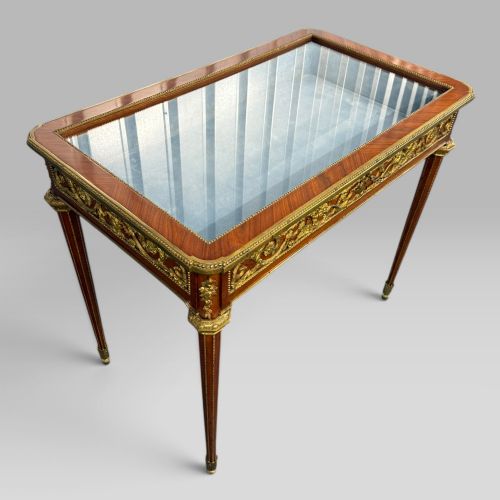
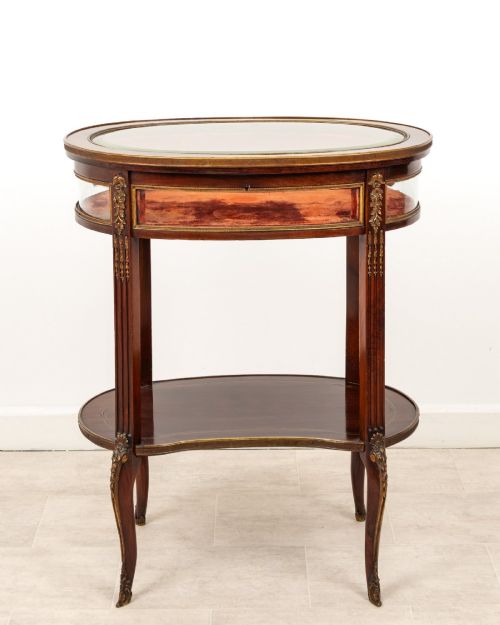
When searching for a louis xvi display table, buyers encounter vitrines, bijouterie tables, and cabinets originating primarily from the nineteenth century and the Edwardian era. These pieces draw upon Louis XVI style, Louis XVI revival, and French Louis XVI style aesthetics.
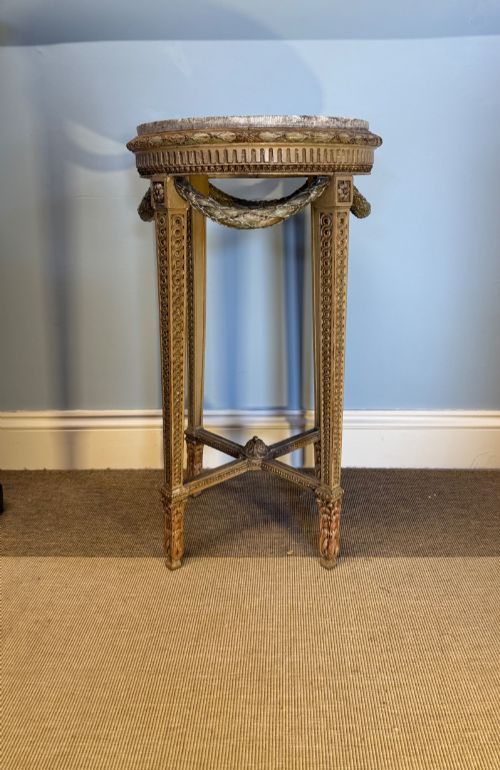
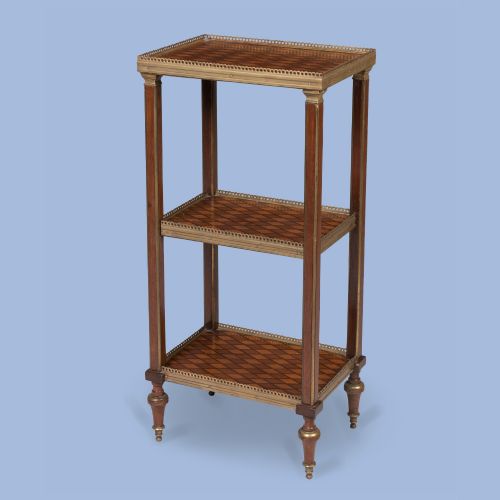
The versions most commonly met on this page include mahogany bijouterie tables with glass tops and ormolu mounts, alongside marble-top stands and etageres. Makers and craftsmen frequently utilised kingwood, satinwood, walnut, and velvet lining within these display forms.
Materials and construction
Makers constructed these pieces using solid and veneered timbers such as mahogany, satinwood, and walnut, often enhanced by intricate parquetry and inlay work. Ormolu and gilt bronze mounts were cast and applied to accentuate the structural lines.
Glass panels create the viewing areas for cabinets and bijouterie tables, while marble provides durable tops for stands. Velvet interiors frequently line the display compartments to cushion small items.
Listings feature pieces from the nineteenth century, nineteen-hundred, eighteen-eighty, and the Edwardian era, incorporating mahogany, ormolu, glass, marble, and velvet.
Distinctions in quality
The refinement of the ormolu mounts and the crispness of their chasing separate standard examples from exceptional pieces. Superior items display precise parquetry, tightly joined cabinetwork, and substantial marble or glass elements.
The choice of timbers, such as figured mahogany or finely selected kingwood veneers, influences the overall character. Interior details, including undamaged velvet linings and well-fitted glazed doors, distinguish the better specimens.
François Linke
The Louis XVI Display Table Glossary
- Ormolu
- Gilded bronze applied as decorative mounts on furniture. It provides a metallic contrast to the timber surfaces.
- Bijouterie table
- A small glazed table designed for displaying jewellery and small ornaments. These pieces typically feature hinged glass lids.
- Parquetry
- Geometric wood mosaic work used for decorative veneer on furniture surfaces. Craftsmen arrange small wood blocks to form patterns.
- Etagere
- An open piece of furniture with shelves for displaying small objects. It appears in various period styles.
- Vitrine
- A glass-fronted cabinet used for displaying fine objects and porcelain. The glazed panels allow all-round visibility.
Louis XVI Display Table: Frequently Asked Questions
What is a louis xvi display table used for?
These tables provide a secure, visible surface for exhibiting small valuables, pocket watches, and collections. The glazed compartment keeps dust away while allowing inspection from above.
They function well in drawing rooms, studies, and boudoirs as decorative focal points. The tabletop height suits close viewing of detailed items.
How do I identify a nineteenth-century piece?
Nineteenth-century construction methods often involve hand-cut dovetails, traditional timber framing, and heavy bronze or ormolu mounts. Makers of this period frequently replicated eighteenth-century French designs.
Examine the underside and interior surfaces for tool marks and timber ageing. The specific use of mahogany, kingwood, and mercury-gilded ormolu points toward this era.
Are these tables suitable for everyday use?
These pieces accommodate light daily use, though their delicate glass and gilt surfaces require care. Placing them away from direct sunlight protects both the timber and interior velvet.
Moving a display table demands caution, particularly with marble tops and ormolu mounts. Keeping them stable prevents stress on the glazed panels.
What is the difference between a vitrine and a bijouterie table?
A vitrine is typically a vertical cabinet with glass doors and shelves for standing objects upright. A bijouterie table is low, featuring a horizontal glazed compartment accessed from above.
Bijouterie tables suit flat or shallow items like medals and jewellery. Vitrines accommodate taller porcelain figures and glassware.