
French Upholstery Armchairs
French upholstery armchairs bring formal continental seating into modern rooms, offering deep wooden frames and traditional textile covers.
French Upholstery Armchairs
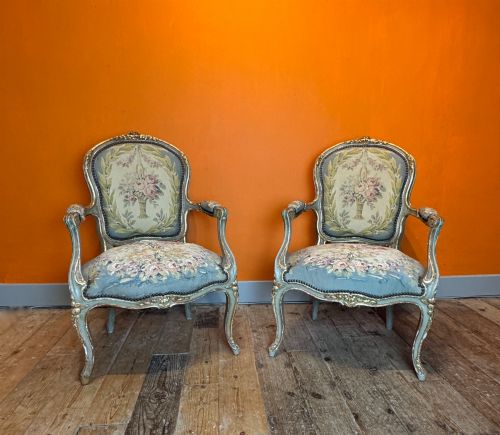
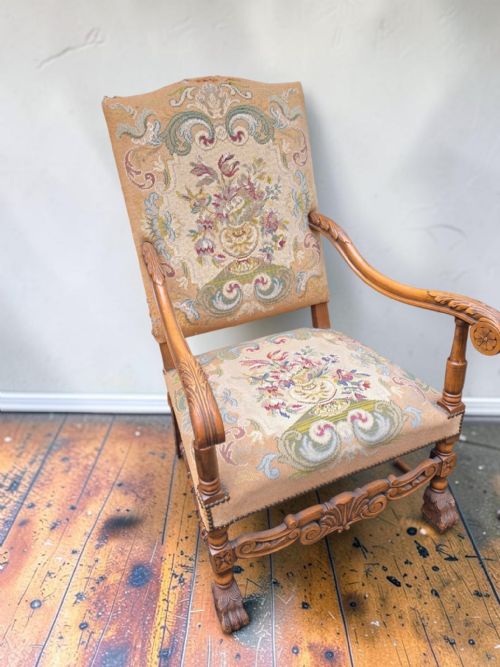
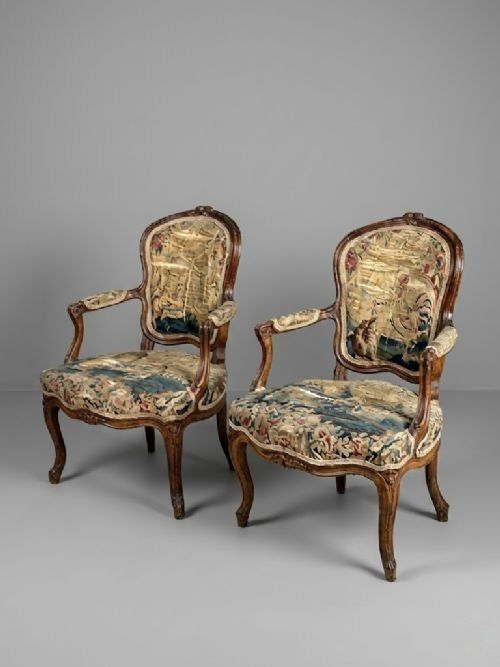
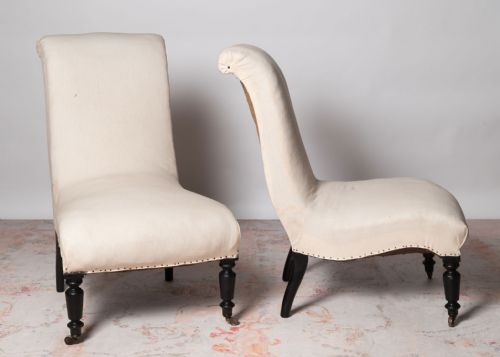
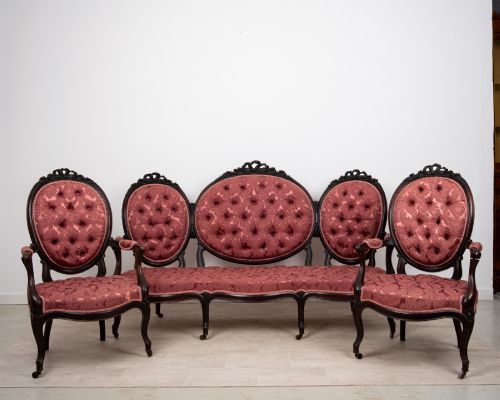
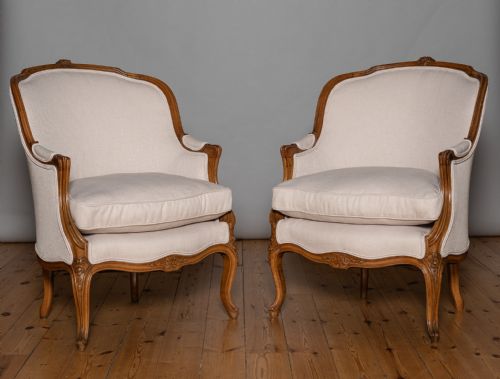
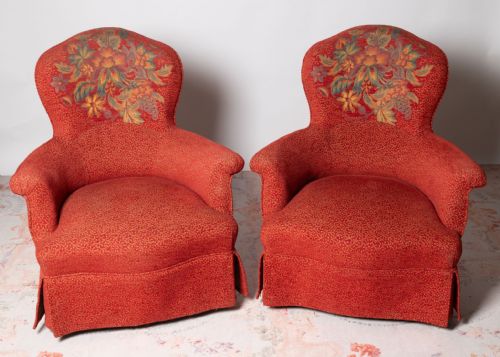
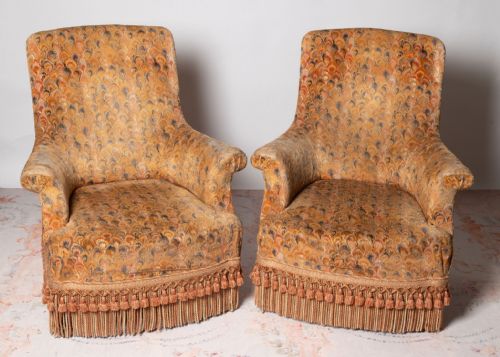
When searching for french upholstery armchairs, buyers encounter a diverse selection of seating ranging from late eighteenth century Louis XV style pieces to nineteenth century Napoleon III designs. The most common finds on this page are walnut and giltwood armchairs, often appearing in pairs alongside matching salon suites and slipper chairs.
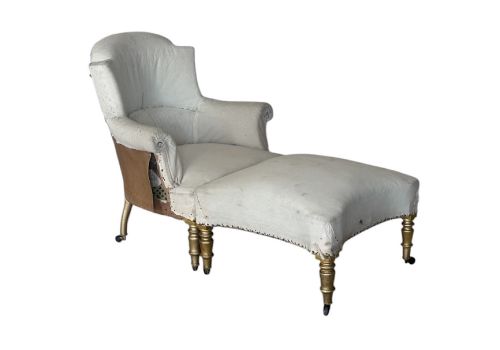
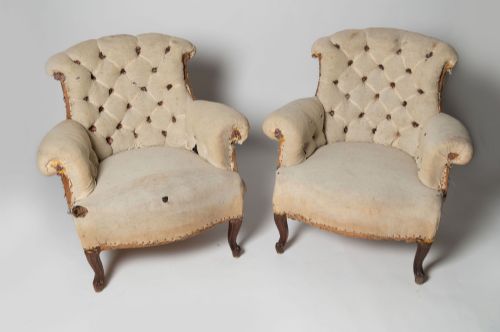
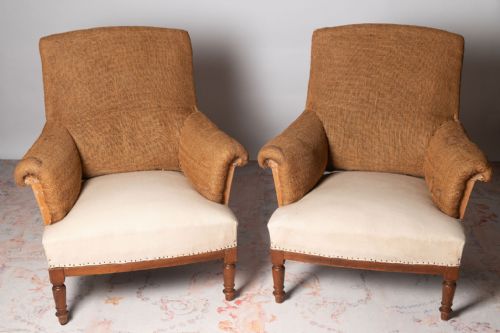
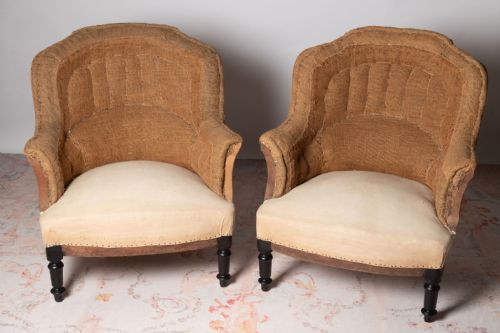
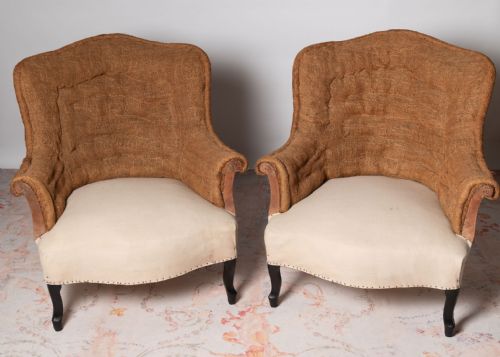
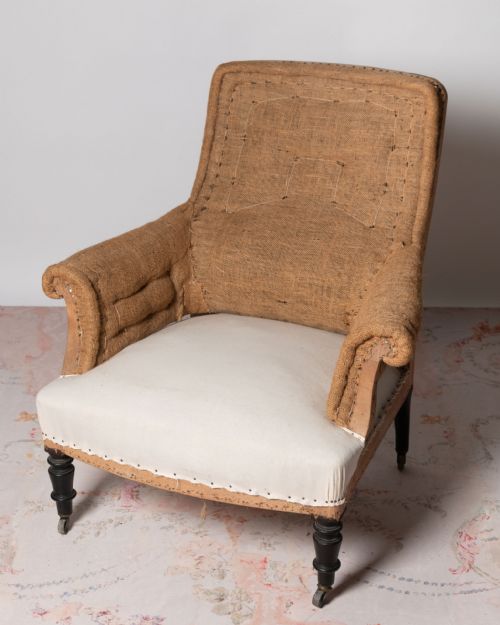
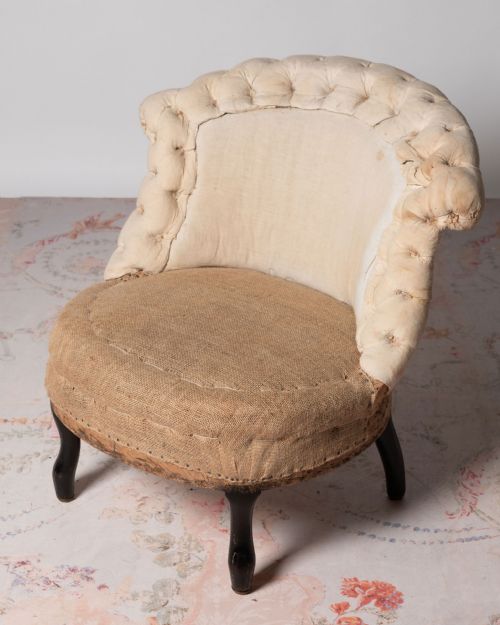
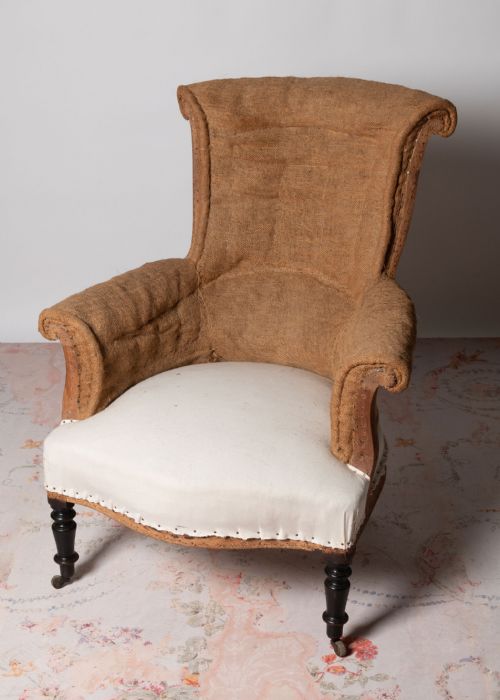
The inventory spans multiple periods including the Victorian era and early twentieth century, with several pieces specifically offered in bare frames or needing re-upholstery. Buyers regularly select these items for drawing rooms and studies where carved wooden details and traditional covers define the interior character.
How they were made
Makers shaped these frames from walnut, beech, mahogany, and rosewood, frequently applying paint, parcel gilt, or intricate marquetry inlay. Structural support relied on sturdy wooden joinery combined with brass elements on select hardware and frames.
Traditional upholstery techniques utilised hessian, calico, and foundational stuffing before finishing the piece in decorative textiles such as tapestry, needlework, silk damask, velvet, or leather.
Listings feature walnut and beech frames paired with traditional textiles like calico, hessian, and needlework across multiple centuries.
What varies in quality
The distinction between ordinary and superior pieces rests in the execution of the carved woodwork and the authenticity of the period frame. Deeply carved walnut or finely applied giltwood denotes a higher grade of craftsmanship than simpler provincial framing.
Quality also depends on the preservation of original textiles like period tapestry and needlepoint versus later replacement covers. Matching suites and pairs maintain stronger continuity than mismatched components gathered over time.
The French Upholstery Armchairs Glossary
- Fauteuil
- An open-armed upholstered armchair originating in France, typically featuring an exposed wooden frame. These chairs combine carved woodwork with padded armrests and seats.
- Bergere
- An enclosed upholstered armchair with solid upholstered sides resting inside the wooden frame. This form provides deeper seating comfort than standard open armchairs.
- Giltwood
- Timber treated with a thin layer of gold leaf or gilt paint to achieve a brilliant metallic finish. This decorative technique highlights carved ornamental details on formal chairs.
- Tapestry
- A heavy hand-woven or machine-woven textile depicting pictorial scenes or geometric motifs. Traditional examples serve as durable upholstery for period seating.
- Damask
- A reversible figured fabric woven on a jacquard loom with patterns formed by contrasting warp and weft threads. Silk versions frequently appear on formal nineteenth century salon furniture.
French Upholstery Armchairs: Frequently Asked Questions
How do I identify a Louis XV style chair?
Louis XV style chairs feature characteristic cabriole legs, asymmetrical floral carvings, and flowing serpentine lines across the wooden frame. These elements give the seating a lighter and more curved silhouette than earlier rectilinear designs.
Makers working in this tradition emphasised naturalistic foliage motifs and graceful cartouche-shaped backs that distinguish the style within nineteenth century reproductions and eighteenth century originals alike.
What is the difference between a fauteuil and a bergere?
A fauteuil is an open armchair with exposed wooden arms and padded elbow rests, offering a lighter visual presence in a room. A bergere is a closed armchair featuring upholstered panels fitted directly into the sides of the wooden frame.
Both forms belong to the wider category of French seating, but the bergere encloses the sitter more fully with padded sides while the fauteuil remains open at the flanks.
Should I buy a chair that needs re-upholstery?
Purchasing a chair frame that requires re-upholstery allows you to select custom fabrics that match your specific interior colour scheme. Many listings offer bare frames or worn covers specifically for this restoration purpose.
Choosing an un-upholstered piece also lets you inspect the underlying wooden joinery and frame condition directly before committing to a final textile finish.
How do I care for antique tapestry upholstery?
Antique tapestry upholstery requires gentle vacuuming with a low suction attachment through a protective mesh screen to remove surface dust. Avoid harsh chemical cleaners and keep the textile away from direct sunlight to prevent fading.
Professional textile conservators should handle any deep cleaning or structural repairs needed on fragile needlework and historic woven covers.