





French Period Bedroom Chairs
French period bedroom chairs bring historic seating into contemporary spaces, offering sculptural frames and traditional upholstery that elevate any interior.
French Period Bedroom Chairs
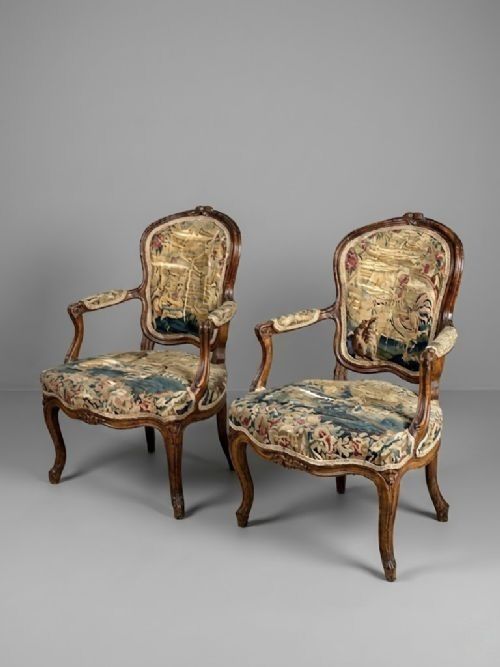
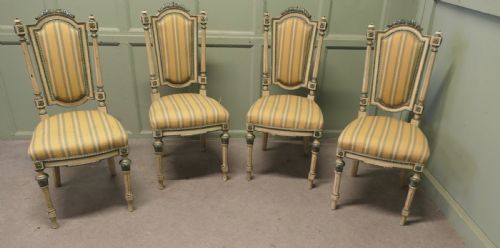
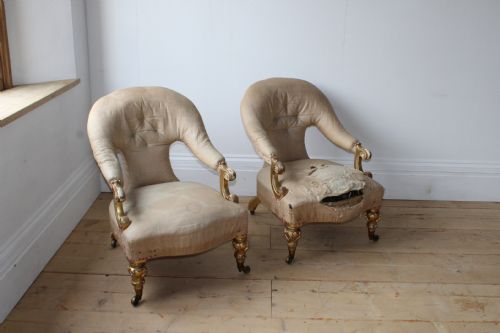
These french period bedroom chairs encompass diverse seating forms from the eighteenth and nineteenth centuries, including armchairs, salon chairs, side chairs, and small bedroom examples. Buyers exploring french period bedroom chairs will frequently encounter nineteenth-century pieces alongside eighteenth-century works.
The selection ranges from Louis XVI style and Napoleon III creations to French provincial and neoclassical designs. Makers and artisans utilised various stylistic vocabularies, reflecting shifts in taste across different decades.
How they were made
Craftsmen shaped these frames from solid timbers such as beech and painted wood, often applying rich giltwood finishes. Workshops employed traditional joinery techniques to construct durable armchairs and salon seats.
Upholstery forms an essential component of these pieces, utilising fabric, textile, and detailed embroidery. Brass elements occasionally accent the timber and gilt surfaces.
French Period Bedroom Chairs Retail Price Guide 2026
Typical asking prices for french period bedroom chairs among the pieces listed under this phrase on Sellingantiques today, from the lower quarter to the upper quarter. They describe what is for sale here now, not the wider market.
Current listings feature pieces spanning the eighteenth century through to nineteen hundred, utilising giltwood, beech, and fabric.
What varies in quality
Quality rests upon the sculptural precision of the carved timber and the refinement of the giltwood or painted finish. Pieces attributed to specific workshops or bearing the stylistic hallmarks of makers like Blaise Maucuy demonstrate superior artistry.
The integrity of the frame construction and the fidelity of the period style dictate the standing of individual examples. Original upholstery treatments and surviving decorative details elevate the stature of specific chairs.
Blaise Maucuy
The French Period Bedroom Chairs Glossary
- Fauteuil
- An open-arm armchair with upholstered back and seat, typically featuring exposed wooden framing. This form became prominent during successive French royal reigns.
- Bergere
- A closed armchair with upholstered sides enclosed by wood or gilt frames, designed for comfortable sitting. These seats often include a loose cushion.
- Giltwood
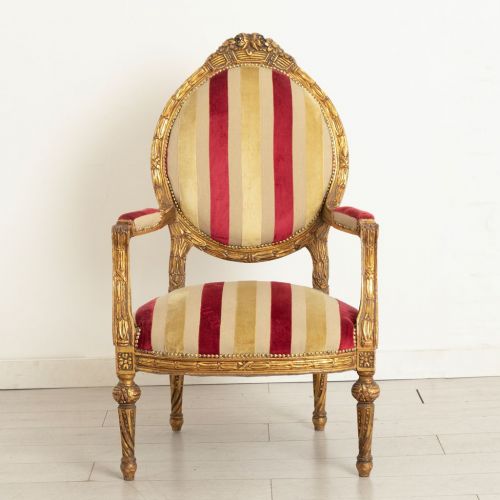
- Timber coated with a thin layer of gold leaf or gilt preparation, widely utilised in formal French seating. This finish enhances decorative richness.
- Louis XVI Style
- A neoclassical design movement characterised by straight lines, symmetry, and classical motifs such as fluting and ribbon twists. It reacts against the preceding rococo curves.
- Napoleon III
- A nineteenth-century eclectic design period reviving historical French court styles with opulent materials and bold upholstery. Pieces from this era often display heavy gilding.
French Period Bedroom Chairs: Frequently Asked Questions
What defines French period bedroom chairs?
These chairs comprise historic seating forms originating in France across the eighteenth and nineteenth centuries. They combine traditional timber frames with period upholstery.
Examples range from gilded armchairs to painted salon seats and small bedroom chairs. Each piece reflects the dominant decorative style of its era of production.
How do I identify a Louis XVI style chair?
Louis XVI style seating is distinguished by straight, often fluted legs and geometric symmetry. The carved ornamentation draws on classical antiquity rather than asymmetric rococo curves.
Frames are frequently executed in giltwood or painted wood. Upholstery adheres to traditional forms with exposed structural woodwork.
Where were these chairs used historically?
Such chairs served in formal salons, private chambers, and chateaux across France. They provided functional seating while projecting social status and taste.
Smaller bedroom chairs were specifically scaled for private rooms rather than public reception spaces. Their placement depended on the domestic architecture of the period.
How should I care for giltwood frames?
Giltwood requires gentle dusting with a soft, dry cloth to protect the delicate gold leaf finish. Avoid harsh cleaning agents and excessive moisture.
Keep pieces away from direct sunlight and strong heat sources to prevent timber movement. Careful placement preserves the original surface patination.
What materials are typical for these chairs?
Frames are constructed primarily from beech, painted wood, and giltwood. Decorative accents occasionally include brass fittings.
Upholstery materials encompass traditional fabrics, textiles, and needlework embroidery. These components work together to define the tactile character of each piece.