
French Upholstered Stool
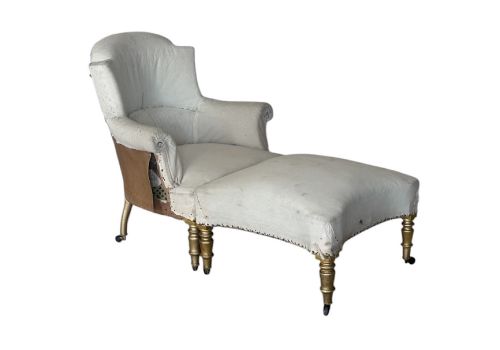
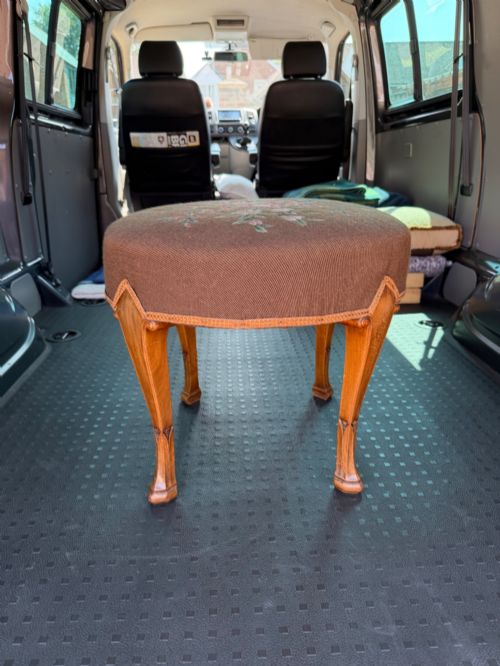
A French upholstered stool brings low-profile seating with historic character into a room.
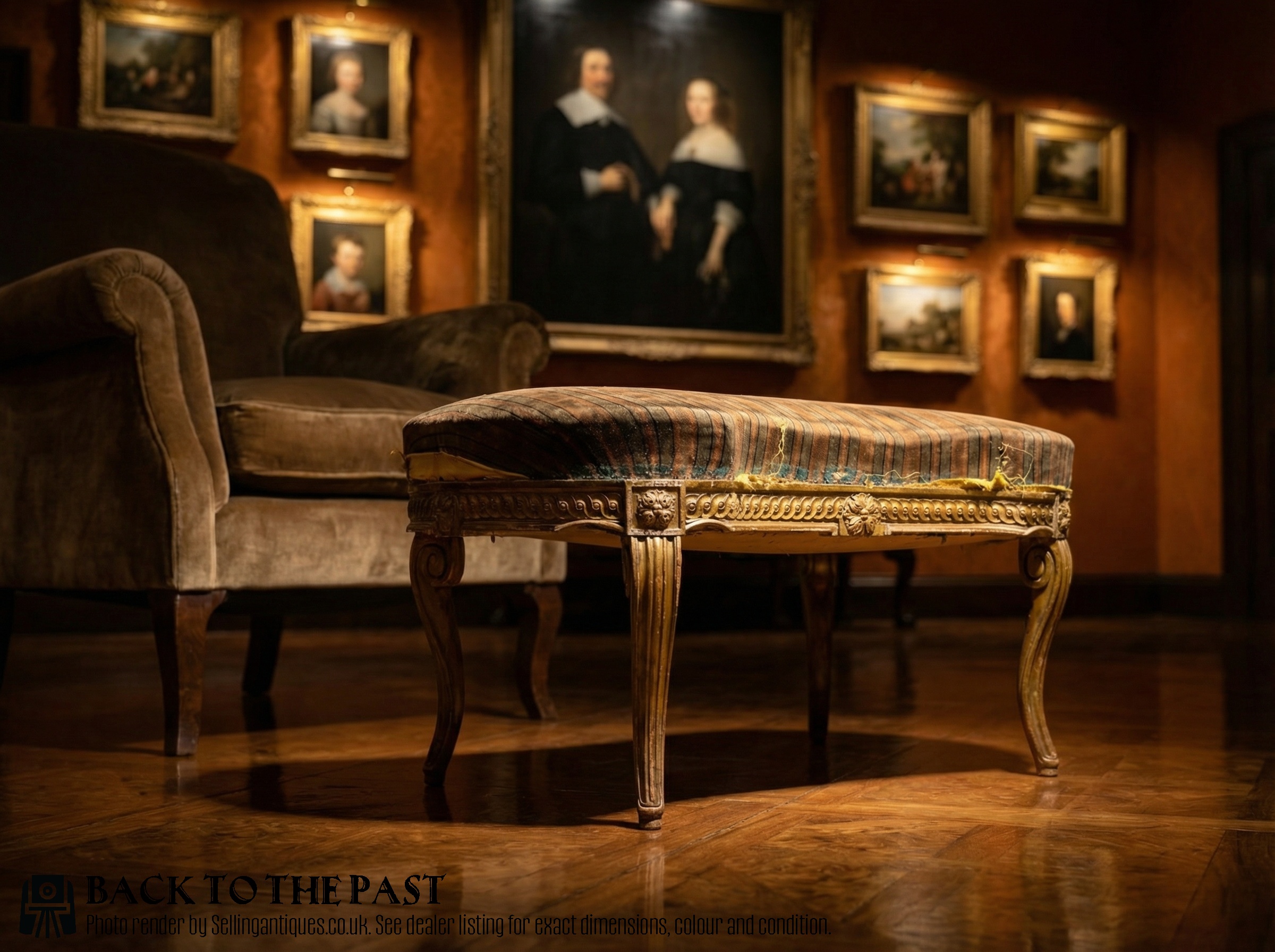
French Upholstered Stool
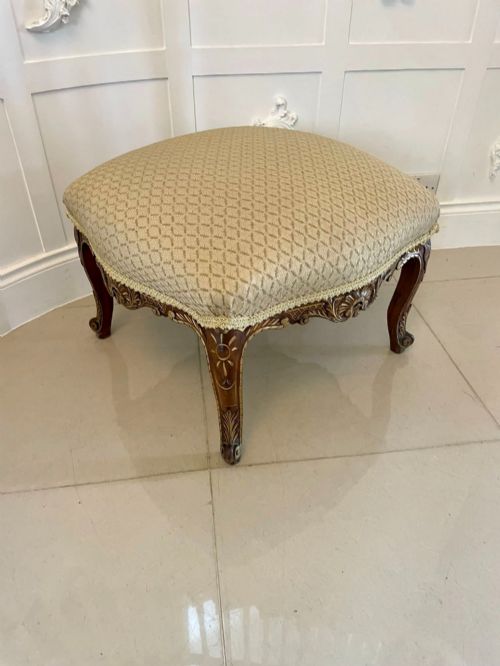
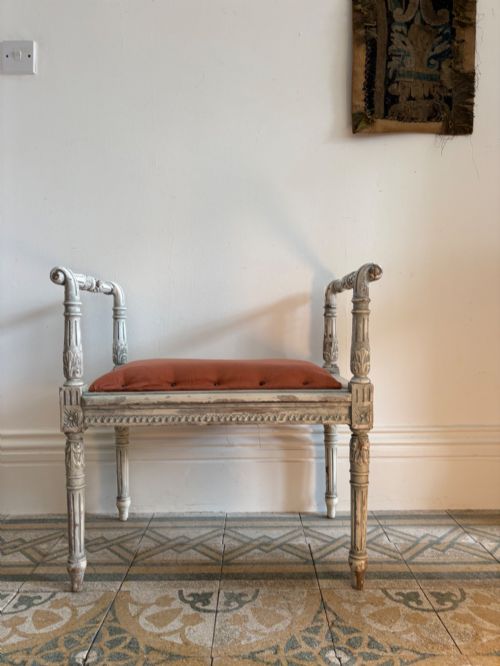
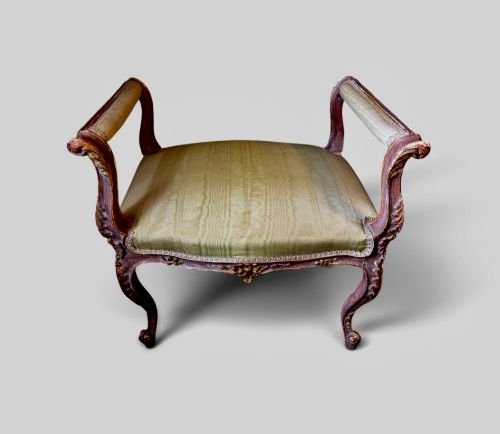
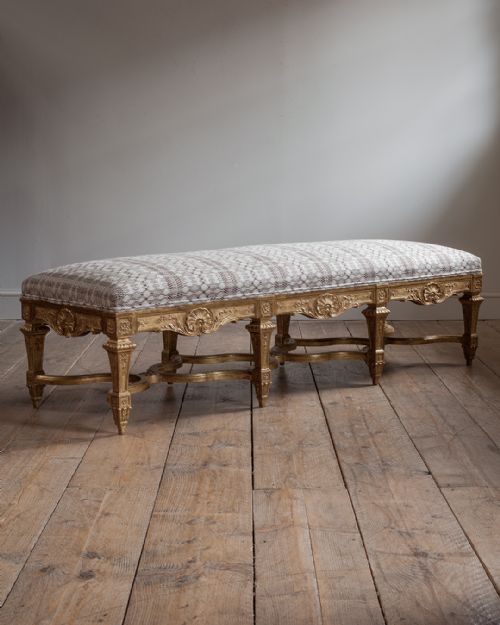
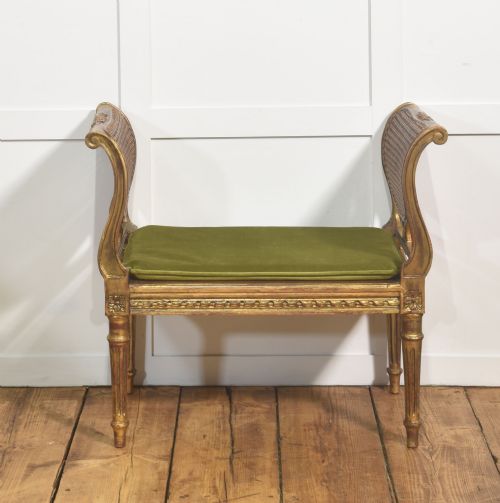
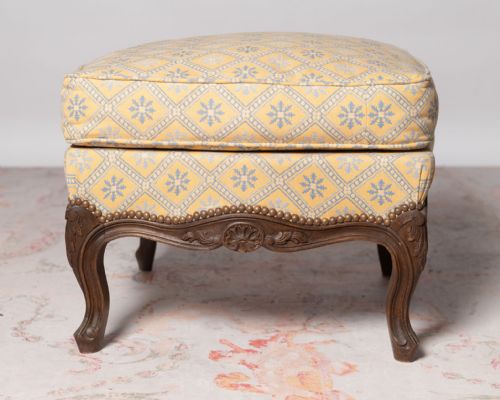
When you search for a french upholstered stool, you are looking at low seating designed for salons, dressing rooms, and windowsides, spanning footstools, window seats, and piano stools. The pieces appearing here predominantly trace to the nineteenth century, encompassing revival forms such as Louis XV and Louis XVI alongside Victorian iterations.
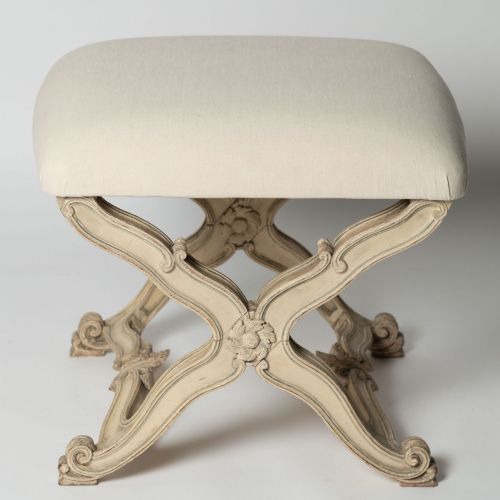
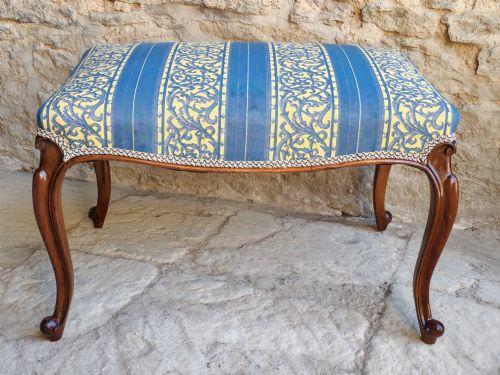
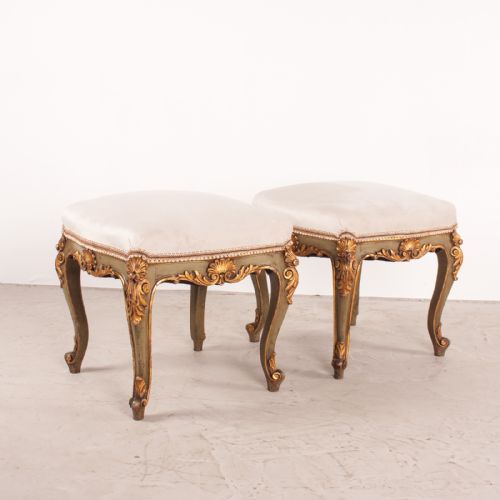
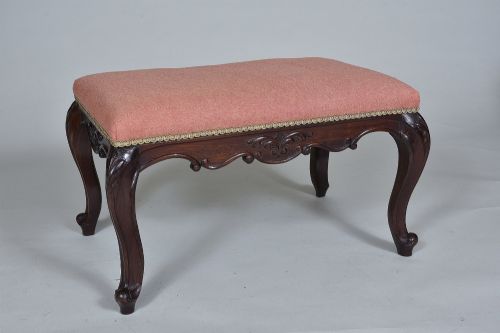
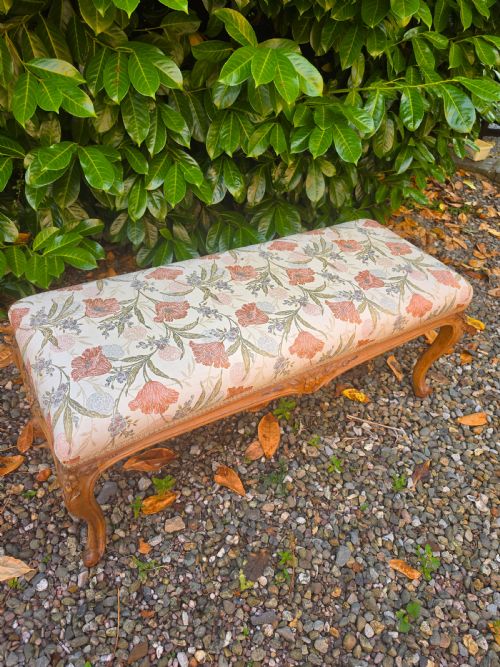
Forms range from compact footstools and square ottomans to longer window seats and duet music stools. Many pieces reflect continental design through giltwood, walnut, or painted wood frames paired with silk, velvet, tapestry, or toile de jouy coverings.
How they were made
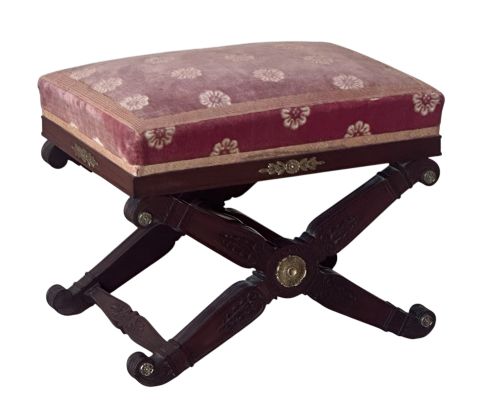
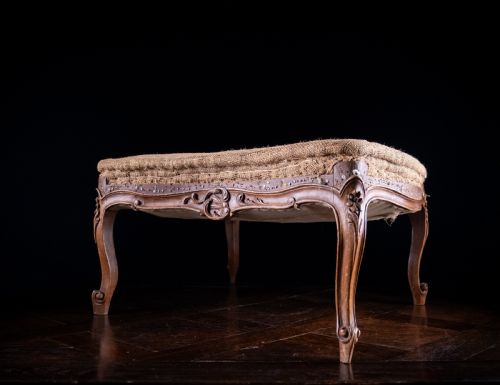
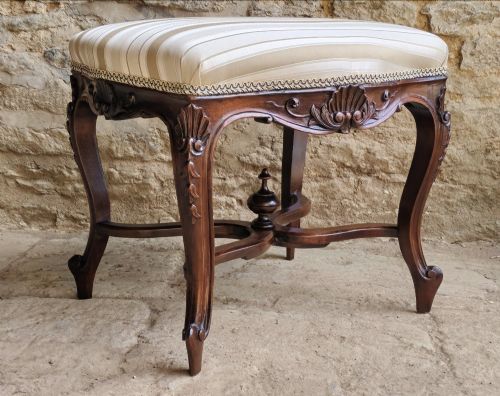
Makers shaped these frames from solid hardwoods like walnut, mahogany, beech, and oak, alongside softwood bases intended for paint or gilt finishes. Carved ornamentation, cabriole legs, and X-frames required skilled joinery to support heavy textile upholstery fastened with traditional tacks.
Surfaces received elaborate finishes including gold leaf gilding, white paint, or parcel gilt highlights over wood. Upholstery materials included silk, velvet, needlework, tapestry, and printed cotton, occasionally supported by brass castors on the feet.
French Upholstered Stool Retail Price Guide 2026
Typical asking prices for french upholstered stool among the pieces listed under this phrase on Sellingantiques today, from the lower quarter to the upper quarter. They describe what is for sale here now, not the wider market.
Listings feature walnut, mahogany, and giltwood frames alongside silk, velvet, and tapestry upholstery across the nineteenth and early twentieth centuries.
What varies in quality
Quality rests in the crispness of the hand-carved detail upon the wooden frame and the structural integrity of the joints. Finer examples display deep, deliberate carving rather than shallow moulding, utilising dense hardwoods that withstand centuries of use.
The sophistication of the finish and the integrity of the upholstery materials define the upper tier. Original gilding, hand-worked tapestry, or specialist wood framing separate standard utilitarian seating from salon-grade pieces.
LOIDRAULT FRERES PARIS
The French Upholstered Stool Glossary
- Giltwood
- Wood that has been coated with a thin layer of gold leaf. This finish appears frequently on formal nineteenth-century salon pieces.
- Cabriole leg
- A furniture leg that curves outward and then tapers inward, mimicking an animal's leg. It defines many period seating forms.
- X-frame
- A structural furniture base formed by intersecting diagonal members. This ancient curule shape supports compact stools and benches.
- Duet stool
- An elongated seat designed for two people to share at a piano or dressing table. These frequently feature upholstered tops and polished wood frames.
- Toile de jouy
- A cotton fabric featuring printed pastoral scenes in a single colour on a light ground. It is often found on revived French seating.
French Upholstered Stool: Frequently Asked Questions
Where should I place a french upholstered stool?
These versatile pieces suit placement at the foot of a bed, beneath a window, or beside a fireside chair. Their compact footprint allows them to move easily between rooms as extra seating.
They also function effectively as low occasional tables when topped with a rigid tray, combining decorative presence with practical utility.
How do I identify a louis xv style stool?
Louis XV style pieces are characterised by asymmetrical flowing lines, cabriole legs, and carved floral motifs. The frames avoid straight lines in favour of organic, curved contours.
Craftsmen often finished these frames in giltwood or painted wood, pairing them with plush silk or tapestry upholstery.
What is the difference between a footstool and an ottoman?
Footstools are typically smaller, lower pieces designed specifically for resting feet while seated in an armchair. They often feature compact square or round frames.
Ottomans usually offer a larger surface area and can double as independent seating or low tables. Both forms frequently share identical carved wooden frames and textile coverings.
Can I reupholster a vintage stool?
Many surviving pieces arrive ready for new fabric or retain older textiles that can be replaced to match modern interiors. Traditional upholstery methods use webbing, stuffing, and tacks which can be renewed by a skilled restorer.
Retaining the original frame while updating the cover is a common way to preserve the antique woodwork while ensuring daily usability.