


Pink Velvet Stool
A pink velvet stool brings a rich texture and a distinct period presence to any room, offering both a seat and a place to rest tired feet.
What these pieces are
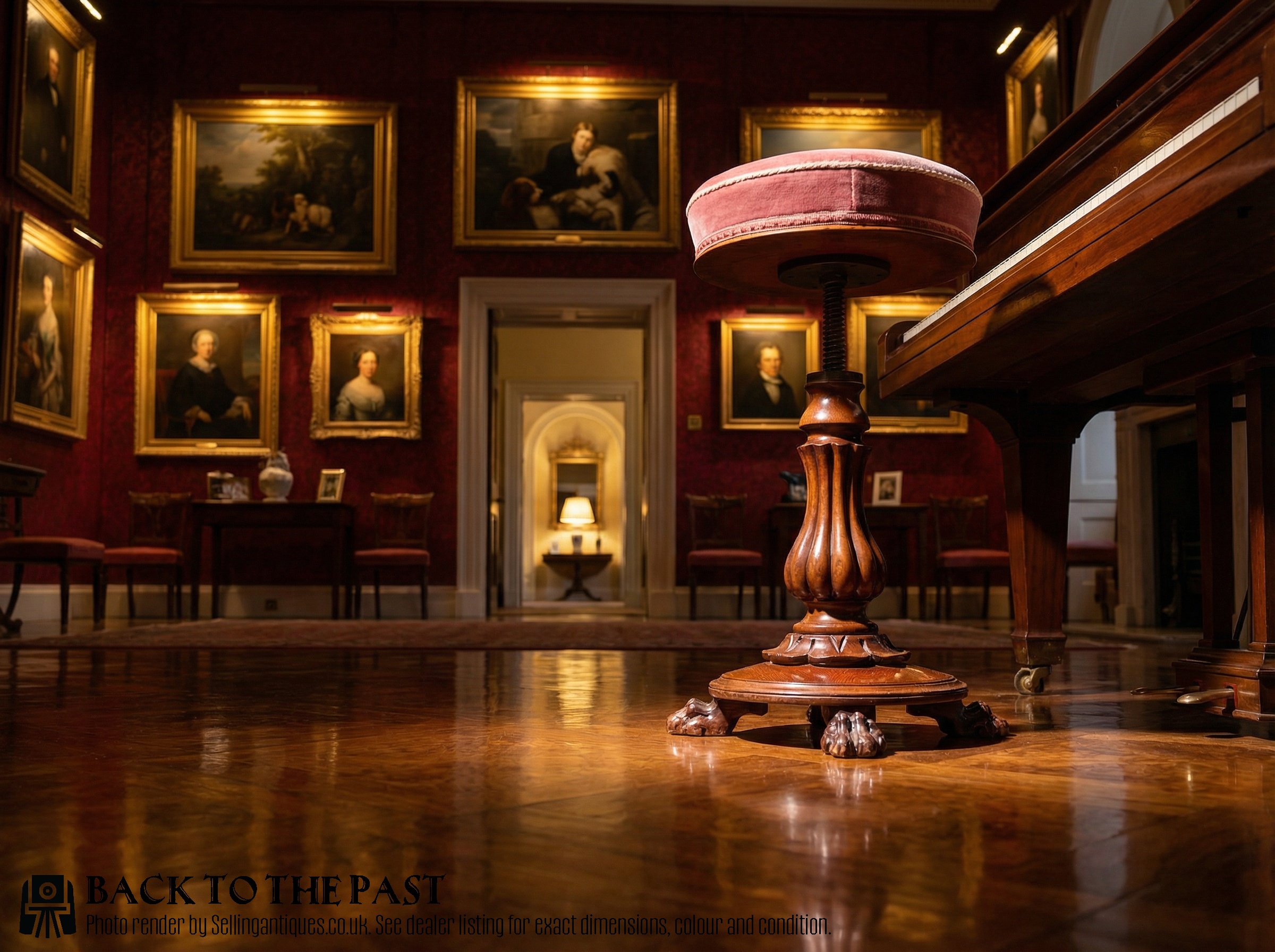
A pink velvet stool encompasses forms such as salon stools, piano stools, and footstools produced across the Georgian, Victorian, and nineteenth-century periods. These items serve functional seating roles while introducing soft upholstery and historical character into domestic spaces.
The versions most commonly met on this page span the nineteenth century and the Victorian era, alongside earlier Georgian examples. Their timber frames range from mahogany and rosewood to walnut, iron, and giltwood.
Makers and designers working in French Second Empire styles also contribute to the variety found within these listings. Each piece reflects the specific domestic habits and seating fashions of its original period.
How they were made
Frames are constructed from dense hardwoods such as mahogany, rosewood, and walnut, frequently shaped with cabriole legs or decorative giltwood. Iron also provides structural support in selected nineteenth-century examples.
Upholstery relies on traditional fabric and velvet stretched over padded foundations. Woodwork shows cabinetmaking techniques characteristic of Georgian and Victorian workshops.
Retail Price Guide 2026
Typical UK retail prices for pink velvet stool, calculated from the Sellingantiques database of over a million retail prices indexed since 2003. This retail price guide relies exclusively on Sellingantiques data; no external sources or auction records are used, so the figures do not describe the wider market.
Listings incorporate items from the Georgian period through to the nineteenth century, utilising woods such as rosewood, walnut, and mahogany alongside iron and giltwood.
What varies in quality
Quality rests in the precision of the timber carving and the structural integrity of the frame, whether executed in walnut, mahogany, or rosewood. Finer examples display crisply moulded cabriole legs and careful joinery.
The standard of the upholstery work and the richness of the velvet surface also define the upper tier of pieces. Attribution to known makers, such as A.M.E. Fournier, elevates historical interest.
A.M.E. Fournier
The Pink Velvet Stool Glossary
- Cabriole leg
- A furniture leg that curves outward at the knee and tapers inward toward the foot, echoing animal limbs. This form appears frequently on Victorian mahogany and walnut frames.
- Giltwood
- Wood that has been coated with gold leaf or a gold-coloured finish for decorative effect. It adds bright visual contrast to salon furniture.
- Piano stool
- A seat designed specifically for use at a keyboard instrument, often featuring adjustable height mechanisms or compact proportions. Georgian examples in rosewood demonstrate this form.
- Salon stool
- A decorative seat intended for use in a formal reception room. These pieces usually feature prominent upholstery and polished timber frames.
Frequently Asked Questions
Where should I place a pink velvet stool?
These stools suit drawing rooms, bedrooms, or dressing areas where their rich fabric adds warmth and colour.
They function equally well as standalone decorative accents or practical seats beside low tables and armchairs.
How do I date a Victorian velvet stool?
Dating relies on examining the timber species, such as walnut or mahogany, alongside structural traits like cabriole legs.
Historical context from the nineteenth century helps narrow the decade of manufacture when combined with stylistic clues.
Are these stools comfortable for daily use?
Period stools were built with traditional padding methods intended for contemporary domestic comfort.
Their sturdy wood frames of rosewood, mahogany, or walnut provide a solid foundation for regular seating.
What maintenance does velvet upholstery require?
Velvet benefits from gentle brushing to keep the pile aligned and free from dust accumulation.
Avoiding direct sunlight helps preserve the pink tone of the fabric over time.