



French Style Ottoman
A French style ottoman brings continental elegance to an interior, offering practical seating or a resting place for feet through classic forms.
French Style Ottoman
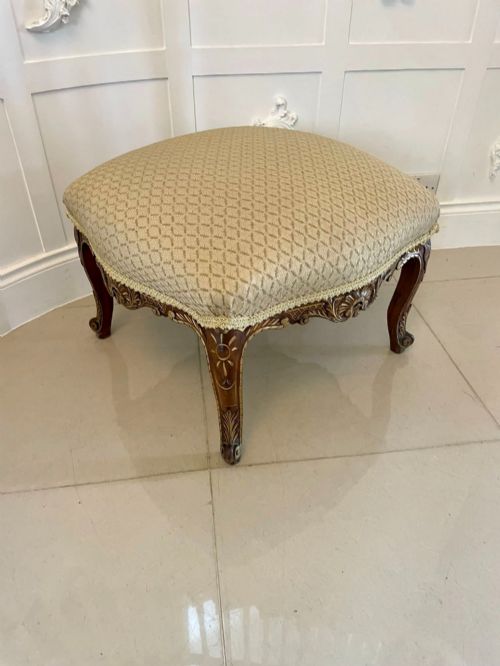
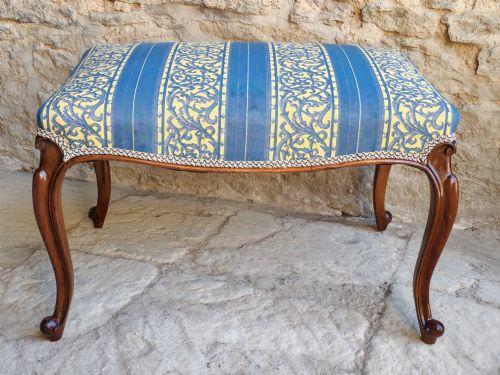
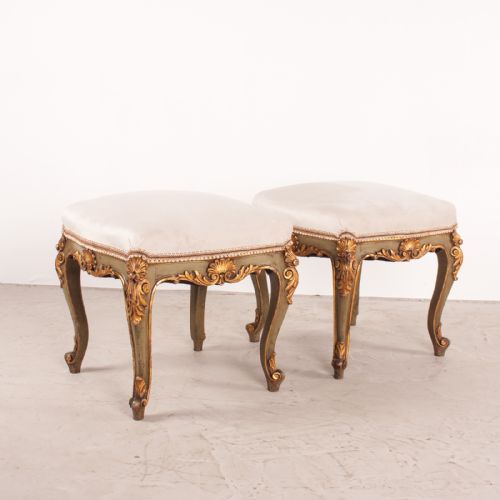
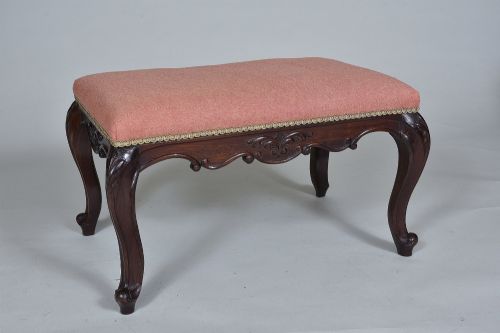
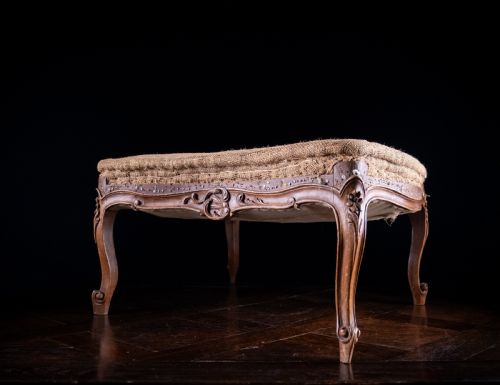
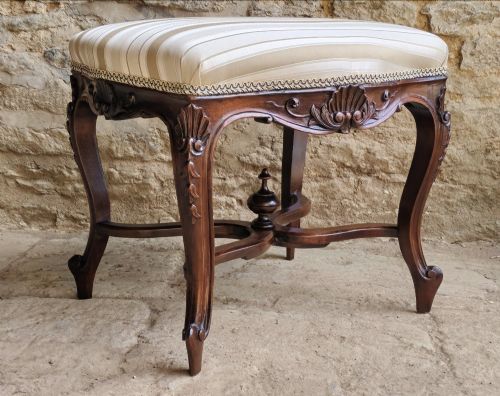
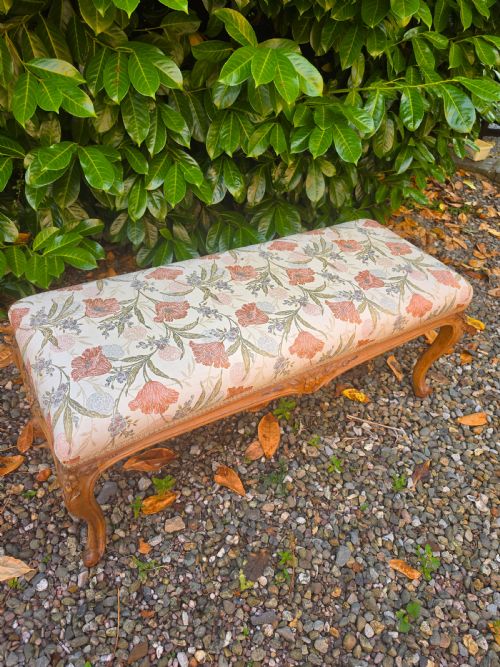
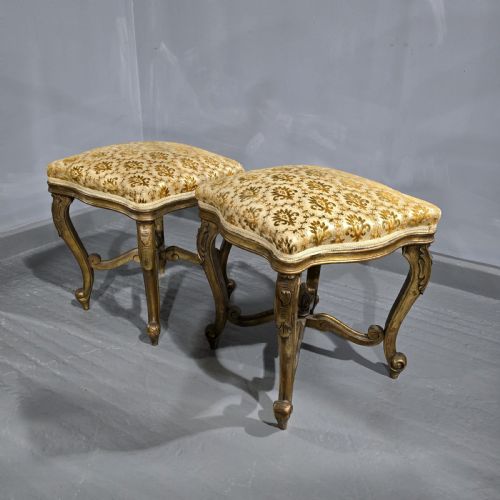
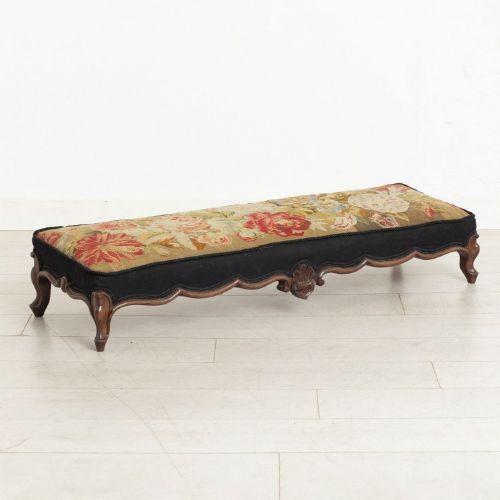
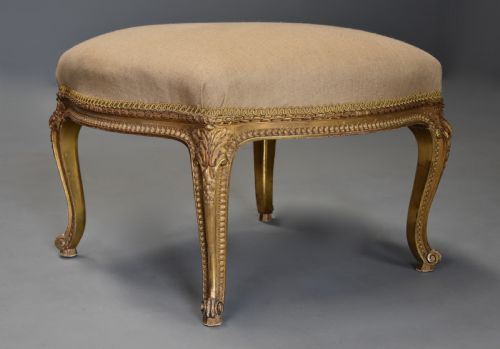
A french style ottoman search leads you to low seats, footstools, window seats, and duet stools originating primarily from the nineteenth century and the early twentieth century. You will encounter Victorian interpretations alongside continental revivals.
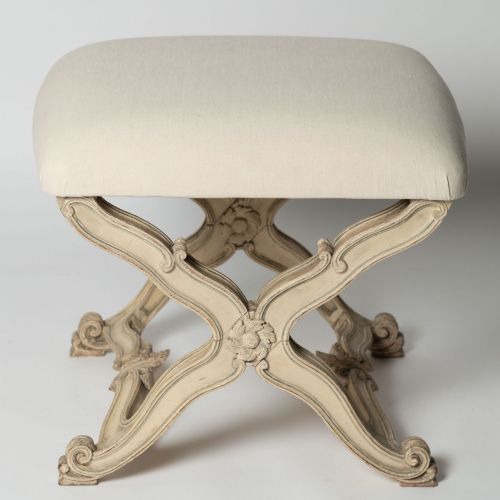
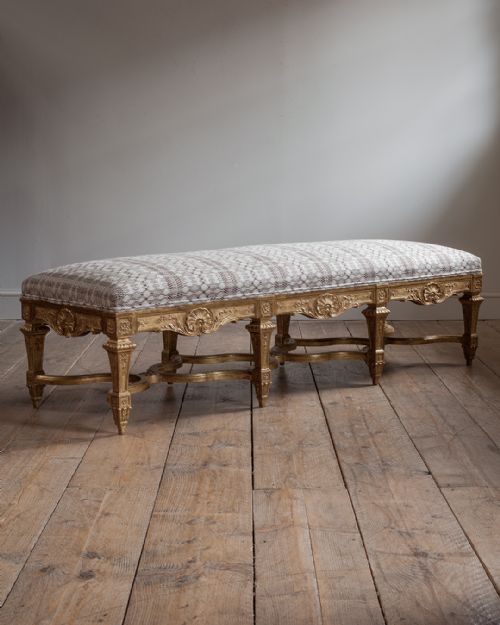
The objects take various shapes, from rectangular salon seats and oval needlework stools to elaborate giltwood centre pieces and long painted benches.
Materials and construction
Frames are constructed from timbers such as walnut, mahogany, and beech, alongside carved giltwood and painted finishes.
Upholstery employs traditional textile, velvet, and fabric, often featuring buttoned detailing or needlework supported by brass elements.
A surprise musical interlude hides among the seating, with duet stools built specifically for two players to share at the keyboard.
Craftsmanship and detail
The depth of hand-carved ornamentation on wooden frames, such as cabriole legs and floral motifs, separates simpler pieces from finer examples.
The integrity of the original gilt or paint finish and the quality of the textile upholstery define the distinction between standard and superior pieces.
LOIDRAULT FRERES PARIS
The French Style Ottoman Glossary
- Cabriole leg
- A furniture leg that curves outward and tapers inward to a foot, typical of period seating. This design draws inspiration from animal limbs.
- Giltwood
- Wood that has been coated with a thin layer of gold leaf or gilt paint. It is frequently seen on decorative revival frames.
- Duet stool
- An extended stool designed for more than one person, often used at a piano or in a window recess. These pieces match the proportions of larger seating arrangements.
- Window seat
- A long, low bench made to fit beneath a window, often upholstered for comfort. They appear frequently in nineteenth-century interiors.
French Style Ottoman: Frequently Asked Questions
What is a french style ottoman used for?
These pieces serve as functional footstools, low salon seats, or window benches in living spaces and bedrooms.
They provide extra seating options while adding a decorative continental accent to a room.
How do I date a french style ottoman?
Dating relies on examining the timber types, hand-carving techniques, and structural joinery methods used in the frame.
Design motifs also point to specific eras, such as Victorian revival styles or nineteenth-century continental periods.
Are these pieces upholstered in original fabric?
Some items retain their original textile or velvet coverings, while others have been recovered during their history.
Listings specify whether the fabric or needlework dates to the period of the frame.
How do I live with a french style ottoman?
Integrate these low seats into drawing rooms, bedrooms, or hallways as functional accents alongside armchairs.
Protect delicate giltwood frames and antique textiles from direct sunlight and heavy daily wear.