

French Style Mantle Mirror
A french style mantle mirror commands a room, bringing light, height, and the ornate elegance of nineteenth-century salons directly onto a chimney breast.
French Style Mantle Mirror
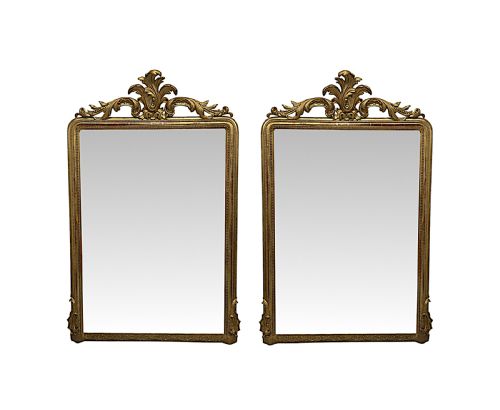
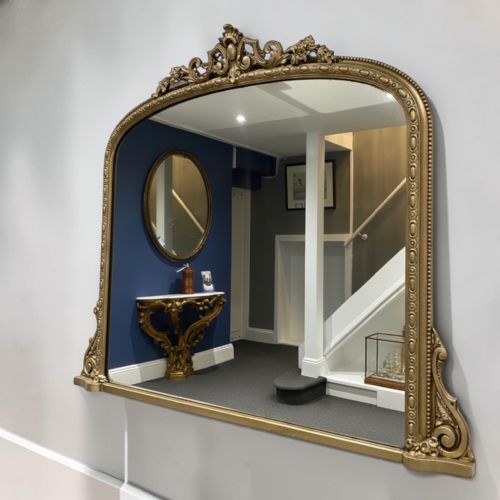
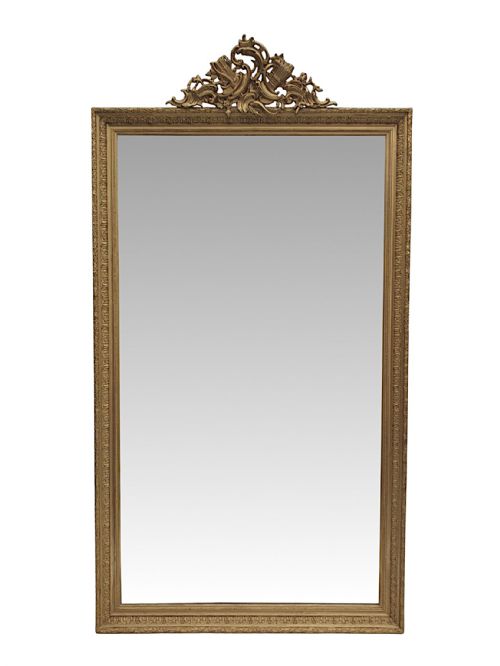
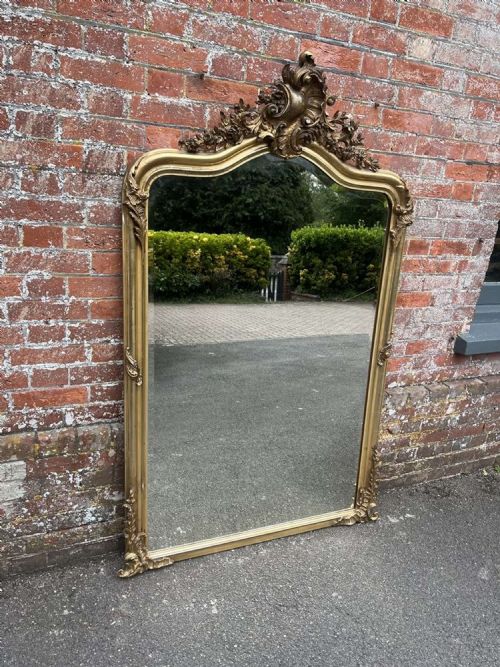
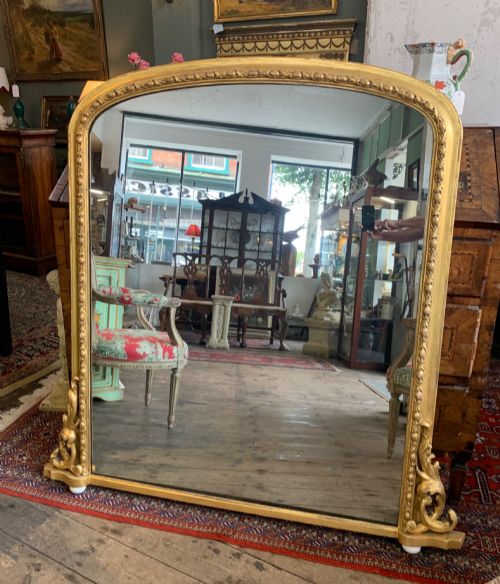
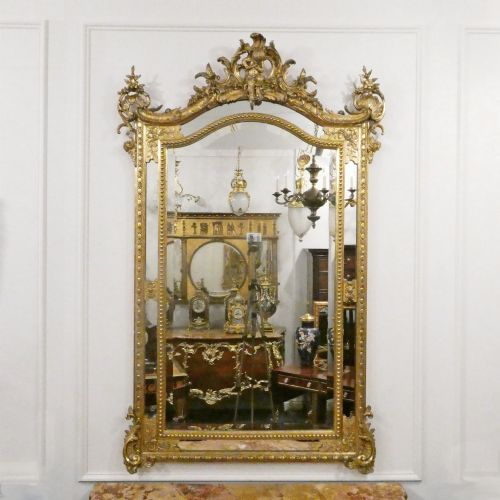
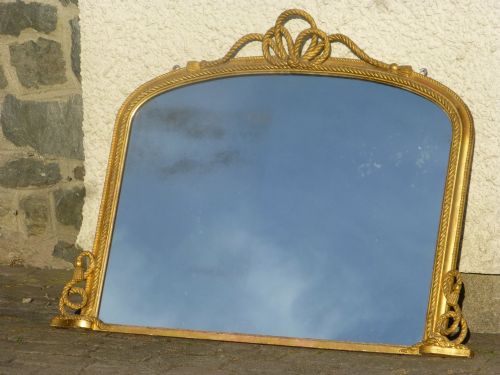
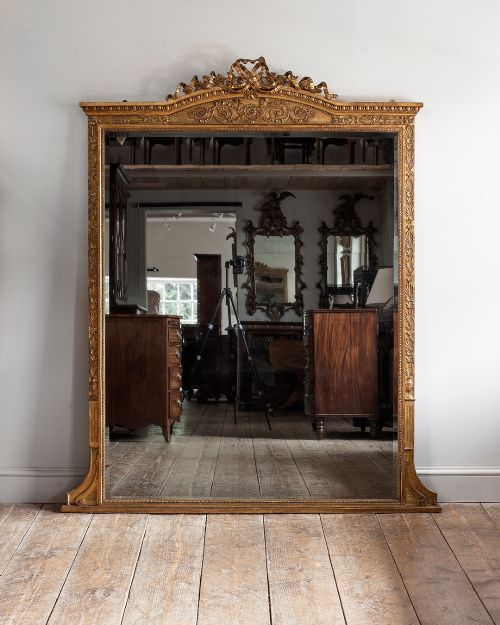
A french style mantle mirror typically takes the form of a grand overmantel designed to sit low upon a fireplace shelf. These pieces span the nineteenth century, drawing heavily from Rococo, Louis XVI, and Louis Philippe aesthetics.
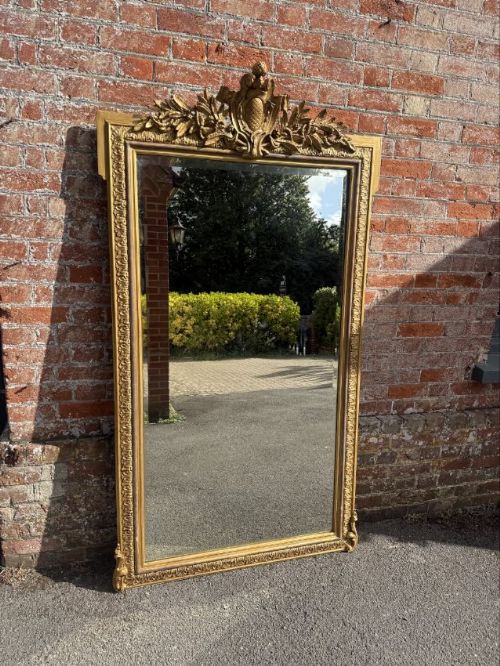
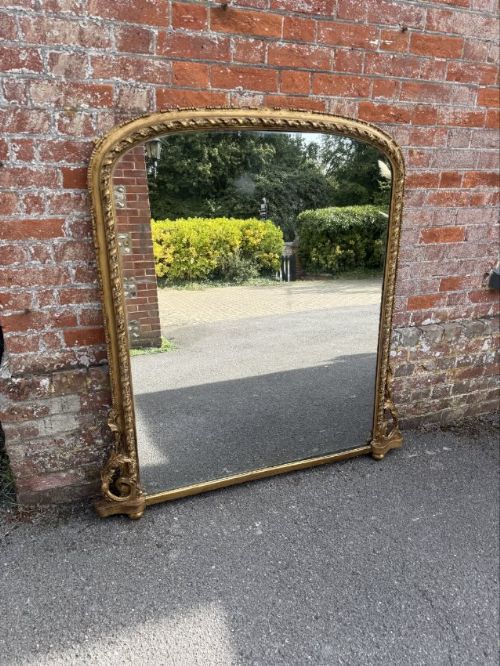
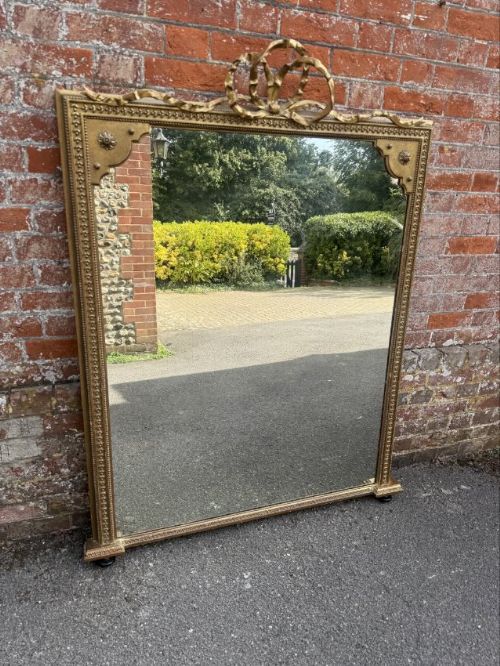
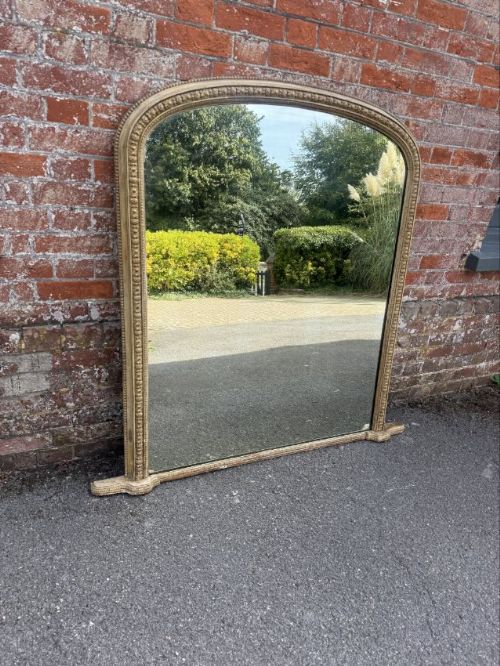
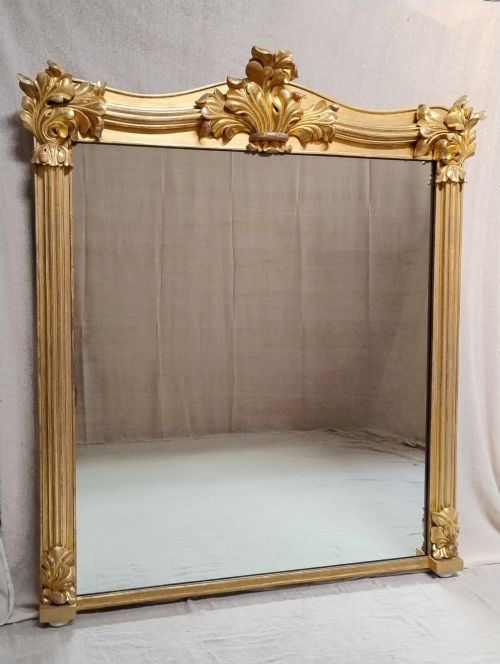
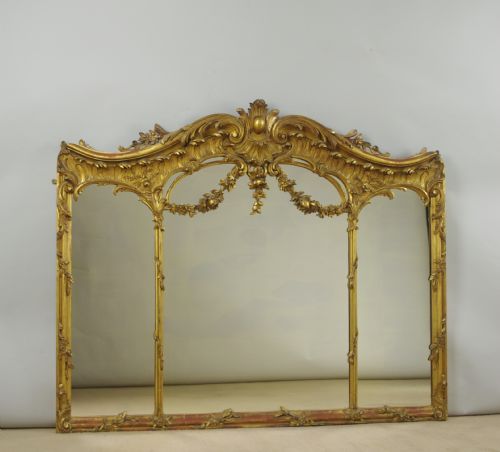
The most common variants encountered here are large arched or shaped top plates framed in gilded wood, alongside rectangular wall mirrors and triple-plate compositions. Makers built these to expand perceived interior space and reflect candle or window light.
Originating largely from French workshops or English makers adopting continental motifs, these mirrors combine monumental scale with intricate surface ornamentation. They function as architectural statements rather than simple domestic reflections.
How They Were Made
Carved wooden foundations, often pine or hardwood, form the structural core of these frames, overlaid with moulded gesso to build up deep relief scrolls and floral motifs. Artisans then applied gold leaf or paint over the prepared surfaces.
Mirror glass of the period was set into heavy rebates, sometimes utilising multiple plates side by side in larger overmantel formats to span expansive hearths.
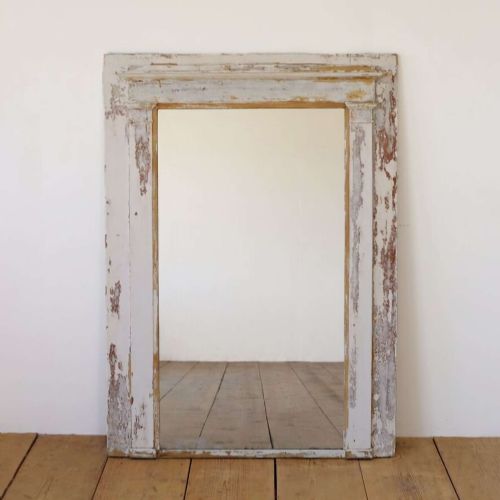
Listings feature eighteenth and nineteenth-century pieces incorporating gesso, giltwood, and painted surfaces across Victorian and French styles.
What Varies in Quality
The depth and crispness of the gesso carving separate standard frames from superior examples, where hand-tooling defines every acanthus leaf and scrolling flourish without soft edges. Fine pieces retain their original gilding layers rather than heavy modern repaint.
The structural integrity of the wooden frame determines longevity, particularly at the heavy arched crowns where weight strains the joints over decades of hanging above heat.
The French Style Mantle Mirror Glossary
- Overmantel mirror
- A large mirror specifically proportioned to sit on the mantelpiece above a fireplace. These frames often feature lower profiles and wide horizontal or arched formats.
- Gesso
- A mixture of chalk, gypsum, and glue used as a surface preparation on wood frames. Craftsmen carved intricate ornamentation directly into this thick layer before gilding.
- Giltwood
- Timber coated with thin sheets of gold leaf or gold paint. This finish catches candlelight and daylight, creating a warm metallic glow.
- Trumeau mirror
- A decorative mirror integrated into wall panelling or set above a mantel with a painted or carved panel above the glass. Originating in French interiors, it unifies wall decoration.
- Louis XVI style
- A neoclassical aesthetic characterised by straight lines, symmetrical geometry, ribbons, and classical urn motifs. It contrasts with the asymmetrical curves of earlier Rococo designs.
French Style Mantle Mirror: Frequently Asked Questions
How do I hang a heavy overmantel mirror safely?
These large frames carry substantial weight from the timber, gesso, and thick glass plates. Secure fixings must anchor directly into wall studs or masonry rather than relying on standard plaster walls.
Many antique pieces were designed to rest their weight primarily on the mantel shelf itself while wall tethers simply prevent tipping. Using professional mirror brackets ensures the load distributes evenly across the lower frame structure.
What is the difference between Louis Philippe and Rococo styles?
Louis Philippe mirrors lean towards restrained architectural simplicity, often featuring rounded top corners and subtle beaded or plain gilt frames. They suit understated nineteenth-century domestic interiors.
Rococo style pieces embrace exuberant asymmetry, C-scrolls, floral crests, and dramatic cartouches. These frames demand visual attention and reflect the elaborate tastes of mid-nineteenth-century revivalism.
Can these mirrors sit on a mantel without hanging?
Many nineteenth-century overmantel mirrors were engineered to stand securely on a flat wooden shelf while leaning back against the wall. The lower weight distribution allows this freestanding placement.
Safety requires anchoring the upper frame to the wall with discreet fixings to prevent accidental forward toppling, especially in busy rooms.
How do I clean antique mirror glass?
Use a soft, dry microfibre cloth to remove dust from the glass surface without disturbing the surrounding antique gilding. Avoid spraying liquid directly onto the frame.
If cleaning the glass requires moisture, apply a mild solution to the cloth rather than the mirror to prevent liquid seeping behind the silvering or rotting the wooden backing.