


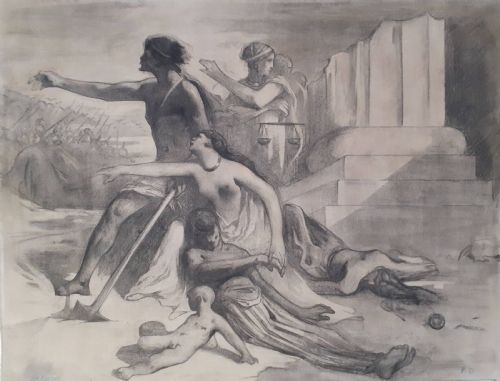


French School Sketch
These French school sketch works capture the immediacy of continental draughtsmanship, offering buyers direct access to academic studies and intimate portraits from past centuries.
French School Sketch
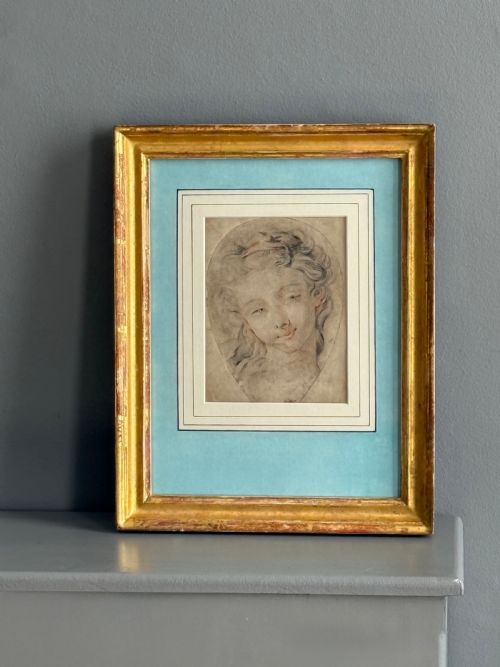
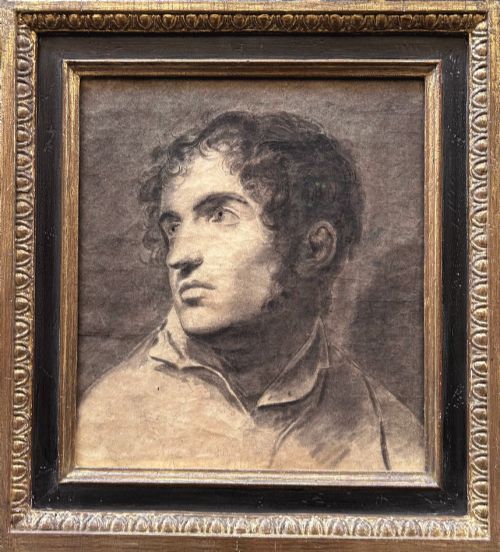
A french school sketch brings together works originating from continental studios, ranging from eighteenth-century academic drawings to early twentieth-century views. You will frequently encounter portraits of young ladies and gentlemen alongside preparatory studies executed in graphite, ink, or charcoal.
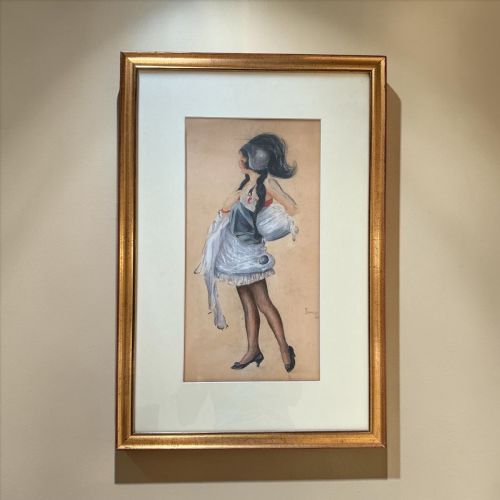
The objects span multiple periods, including the Victorian era, the 1870s, and the 1930s. Forms include framed drawings, wall art, and original artwork on paper, reflecting both academic rigour and romantic observation.
Subjects vary from pastoral landscapes in Provence to allegorical scenes and equestrian watercolours. These pieces showcase the working methods of artists trained within the French tradition.
Materials and technique
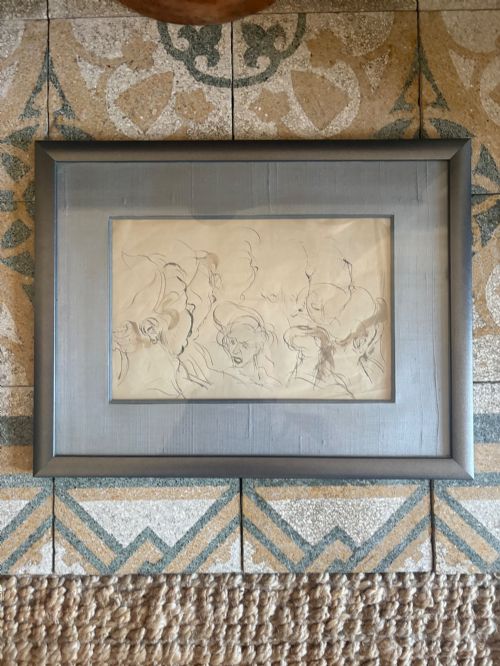
Artists relied primarily on paper supports, applying media such as charcoal, graphite, chalk, and ink to record form and shadow. Preparatory studies often utilise pen and ink or two-coloured ink lines to establish composition.
Some works incorporate pastel or watercolour, while others employ oil paint on panel. Framing typically involves gilt wood or plain wood surrounds that protect the delicate paper surfaces.
Several drawings preserve the hurried pencil notes and stray ink splatters left behind by artists who were simply trying to catch the light before it moved.
Assessing quality and execution
Quality rests upon the sureness of the draughtsmanship and the expressive economy of the line. A strong study reveals confident handling of anatomy and tone, whereas lesser examples rely on hesitant shading or stiff proportions.
The distinction also lies in the historical context and the clarity of attribution. Works connected to documented artists or specific regional movements carry greater art-historical weight than anonymous student exercises.
Francois Boucher·Alfred Dehodencq·Pierre Paul Prud hon·Henri Josephe Hesse·Henri Joseph Harpignies
The French School Sketch Glossary
- Preparatory study
- A preliminary drawing executed to plan a larger composition or oil painting. These works often expose the artist's working process more directly than a finished canvas.
- Academic Realism
- An artistic style born from the rigorous training of European art academies. It prioritises precise draughtsmanship, accurate anatomy, and classical composition.
- Graphite
- A form of carbon used as a drawing medium in pencils or sticks. It yields a range of greys and silvery tones depending on the hardness of the lead.
- Barbizon School
- A nineteenth-century French movement focused on naturalistic landscape painting. Artists associated with it drew inspiration directly from the forests and countryside of France.
- Gilt wood
- Wood coated with a thin layer of gold leaf or gold paint. It frequently appears on period frames designed to enhance works on paper.
French School Sketch: Frequently Asked Questions
What is a French school sketch?
A French school sketch is an original drawing, watercolour, or study produced by an artist trained in or working within the French academic or regional traditions.
These pieces range from quick preparatory lines for larger paintings to finished portraits and landscapes executed on paper or panel.
How do I date an old sketch?
Dating relies on stylistic clues, clothing fashions in portraits, paper types, and framing methods. Signatures, inscriptions, and collector stamps on the reverse often provide further chronological evidence.
Comparative study with dated works by the same circle or period helps narrow down the decade of creation.
How should I display drawings on paper?
Drawings on paper require conservation-grade framing behind UV-filtering glass to prevent fading from light exposure. Keeping them away from direct sunlight and damp environments preserves the integrity of charcoal, ink, and pastel.
Rotating pieces or maintaining stable indoor climates ensures the paper stock remains free from yellowing.
What defines the Barbizon style?
The Barbizon style centres on truthful observation of the natural world, prioritising atmospheric landscapes and rural scenes over grand historical narratives. Artists working in this manner observed light and foliage directly outdoors.
Their sketches laid groundwork for later impressionist approaches to nature and light.