
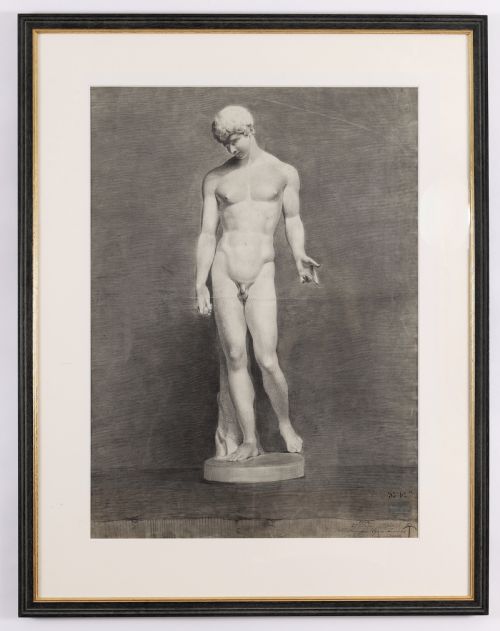


Monochrome Charcoal Drawing
When you search for a monochrome charcoal drawing, you are looking at works defined by deep shadow and raw paper.
Monochrome Charcoal Drawing
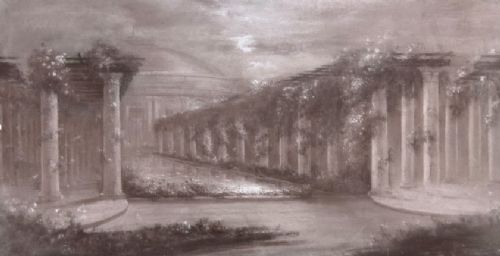
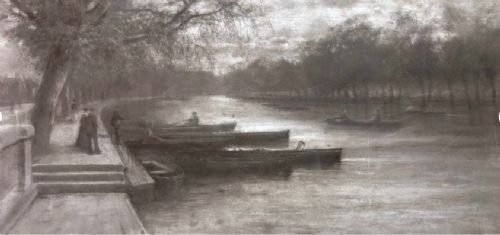
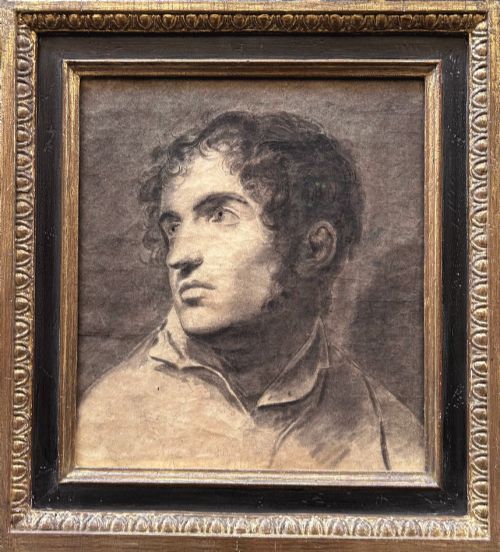
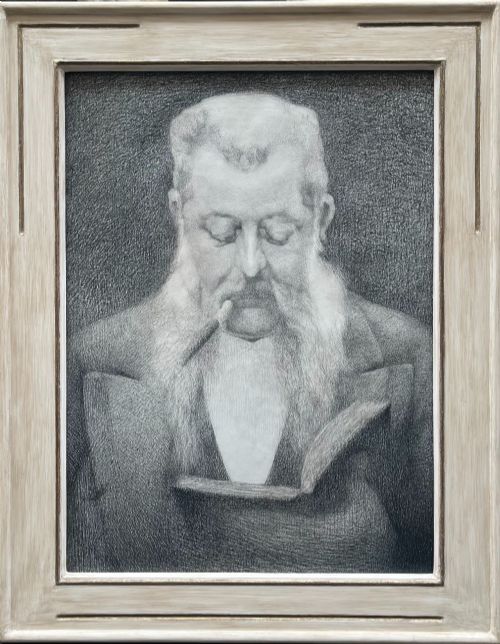
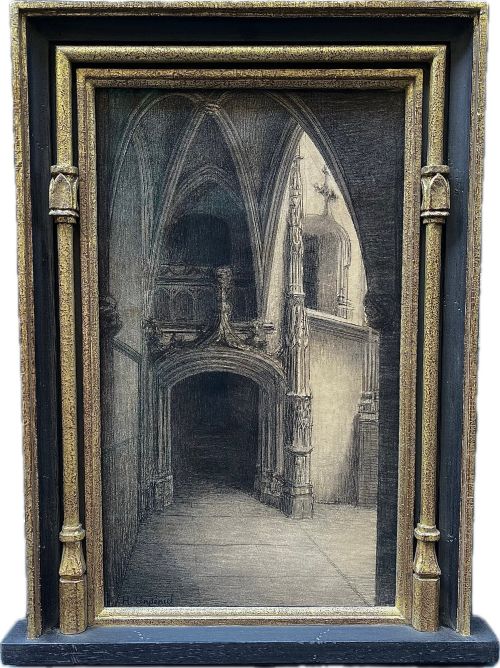
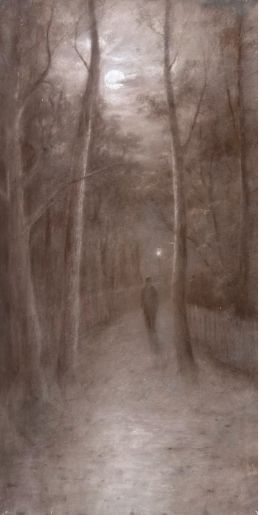
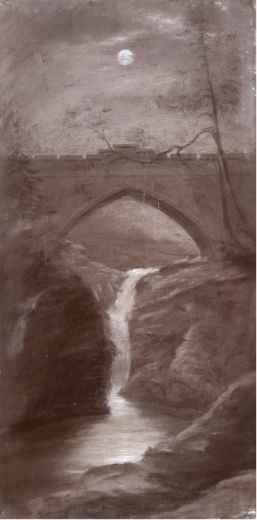
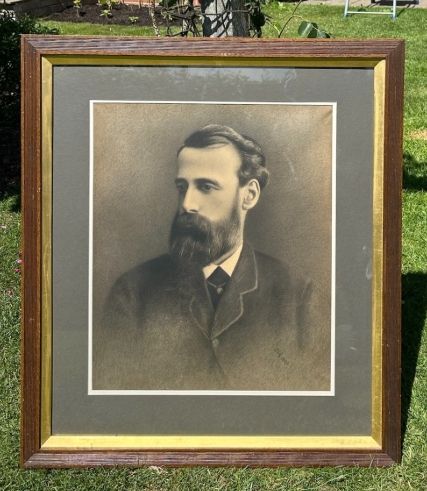
A monochrome charcoal drawing presents subjects ranging from academic life studies and portraits to atmospheric landscapes rooted in the nineteenth and early twentieth centuries. These works include pieces from French, British, and Belgian schools, capturing figures, historic scenes, and coastal views.
The most common examples on this page span the Victorian and Edwardian eras through to the interwar period, often rendered on paper or canvas. Buyers will find everything from intimate portrait sketches to large-scale figurative studies and architectural depictions.
Framed works dominate the selection, preserving delicate surfaces beneath glass within period wood and giltwood frames. The focus remains on original hand-drawn compositions executed in charcoal, frequently augmented with graphite or chalk.
How They Were Made
Artists relied primarily on charcoal sticks and compressed carbon applied to fibrous paper or prepared canvas surfaces. Graphite and chalk were frequently introduced to build finer lines, sharp highlights, and dense tonal graduation.
Many historical drawings originated as academy life studies or preliminary sketches, utilising swift, expressive strokes. Finished works were often secured behind glass and housed in bespoke wooden or gilded frames to protect the friable medium.
Several portraits capture subjects ranging from classical figures to explorers and jazz musicians, preserving centuries of human expression in humble black dust.
What Varies in Quality
The strength of a piece rests in the surety of the draughtsmanship and the artist's command of light and deep shadow. Stronger examples display confident handling of anatomy, texture, and atmospheric depth rather than mechanical precision.
Condition and preservation dictate the standing of individual works, particularly concerning the stability of the charcoal pigment on its original paper or canvas. Original period framing also contributes to the integrity of the piece.
Henri Charles Angéniol·Ernest Borough Johnson·Francis Dodd·Henri Joseph Harpignies·John Hoppner
The Monochrome Charcoal Drawing Glossary
- Charcoal
- A dry drawing medium made from organic carbonaceous material that produces rich, velvety blacks and soft gradations. It requires careful handling and protection behind glass.
- Academic Realism
- A style of painting and drawing produced under the influence of European academies, emphasising precise anatomical accuracy and classical proportions. These works often began as life studies.
- Tonalism
- An artistic style that focused on atmospheric effects, shadow, and mood rather than sharp linear definition. It is frequently seen in landscape drawings from the late nineteenth and early twentieth centuries.
- Giltwood
- Wood carved and coated with gold leaf or a metallic gilding preparation, commonly used for traditional picture frames. It provides a warm, reflective border to dark works on paper.
- Life Study
- A drawing executed directly from a live human model, used by artists to master anatomy and expression. These form a major portion of historical works on paper.
Monochrome Charcoal Drawing: Frequently Asked Questions
What is a monochrome charcoal drawing?
A monochrome charcoal drawing is a single-colour artwork executed using carbon-based sticks on a pale support such as paper or canvas. These pieces rely on tonal contrast to define form, light, and shadow without relying on colour.
Such works range from rapid studio sketches to finished exhibition pieces created across the nineteenth and twentieth centuries.
How should I frame and display these drawings?
Drawings executed in charcoal require framing behind glass to prevent the friable pigment from smudging or lifting off the paper. Archival mounting ensures the paper does not touch the glass directly.
Keep them away from direct sunlight and excessive humidity to preserve the integrity of both the paper and any historic wooden frames.
How can I tell the period of a drawing?
Dating relies on stylistic clues, paper watermarks, artist signatures, and framing methods typical of specific eras like the Victorian period or the 1930s. Subject matter and clothing styles within portraits also offer clear chronological markers.
Comparative analysis with documented works by the same school or artist helps confirm the likely decade of creation.
Were these always meant as finished art?
Many charcoal pieces began as preliminary studies or academic life exercises rather than intended gallery works. Artists utilised them to test compositions, lighting, and anatomy before starting oil paintings.
Over time, collectors came to value the raw spontaneity of these studio drawings as independent works of art.