


Graphite on Paper Drawing
When you handle a graphite on paper drawing, you hold the direct touch of the hand long before the canvas took colour.
Graphite on Paper Drawing
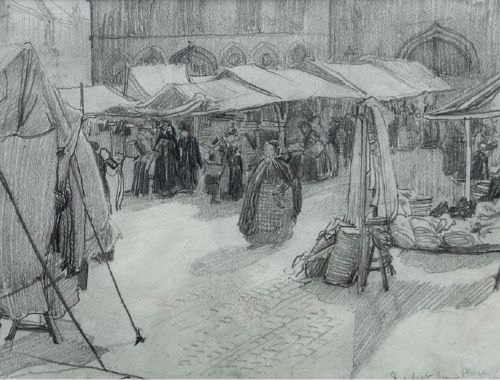
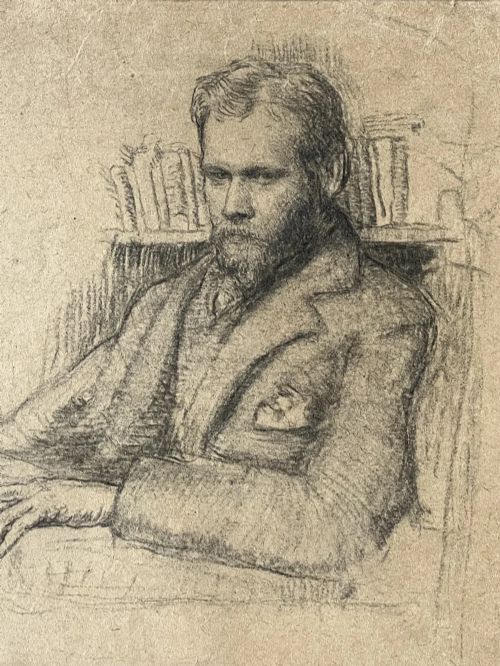
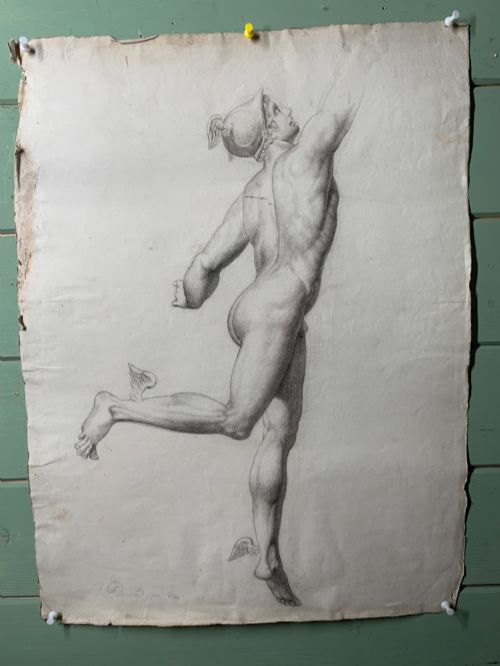
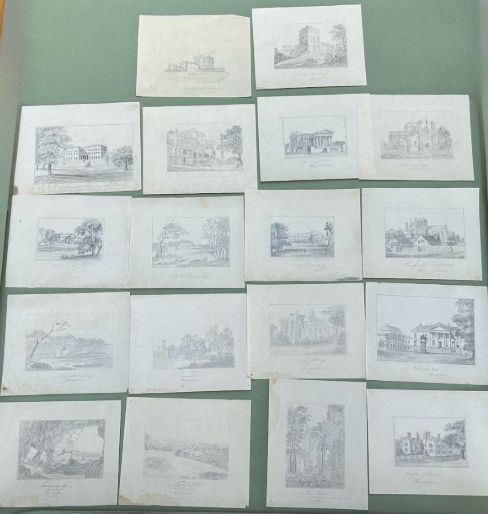
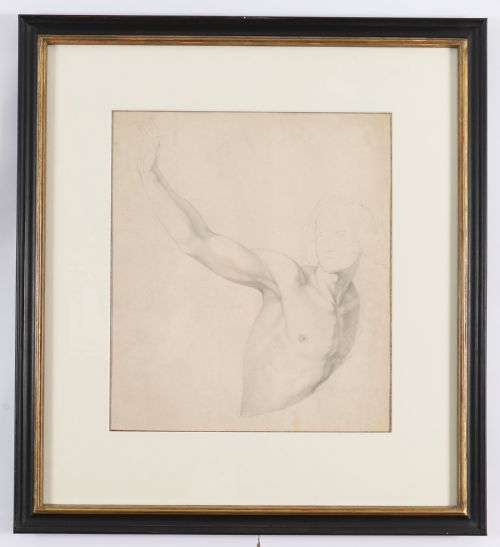
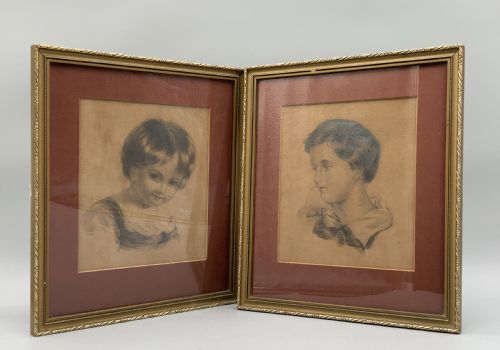
A graphite on paper drawing captures the immediate vision of an artist through precise line, shading, and tone without the addition of paint. These works range from rapid landscape sketches and architectural studies to formal academic life drawings and intimate portraiture.
The selections found here span several centuries, moving from eighteenth-century figural compositions and neoclassical studies through nineteenth-century Victorian portraits into twentieth-century modernism. Many pieces originate from British and French hands, reflecting both provincial observations and academic rigour.
Buyers encounter everything from anonymous working sketches gathered in collections to signed sheets by noted painters. Framed artwork and original loose sheets make up the primary formats available for acquisition.
How they were made
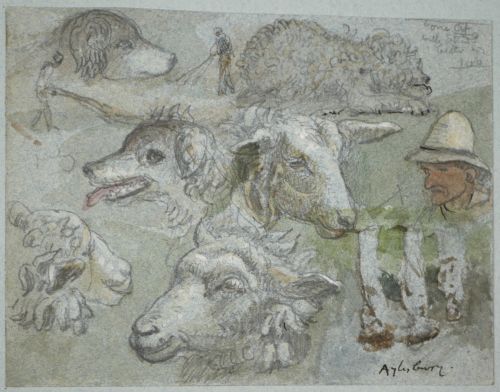
The fundamental materials rely upon fine paper surfaces combined with graphite, pencil, or charcoal to build form through varying pressure and hatching. Artists frequently augmented these monochromatic mediums with touches of ink, chalk, or watercolour to emphasise light and shadow.
Framing often incorporates glass and wood to protect the delicate paper substrate from atmospheric moisture and handling. The techniques range from the controlled hatching of academic realism to the looser, expressive strokes found in modern landscape studies.
Several sheets preserve domestic interruptions, featuring portraits of dogs, cats, and mischievous household pets watching the artist work.
What varies in quality
The distinction between ordinary and exceptional works rests upon the surety of the draughtsmanship and the economy of line. A superior sheet displays anatomical understanding, compositional balance, and an ability to convey character or atmosphere with minimal strokes.
Condition and preservation also define value, specifically the stability of the paper support, the absence of heavy foxing, and the survival of distinct, unsmudged graphite markings over decades or centuries.
Augustus John·Fred Lawson·Henri Josephe Hesse·Jean Hippolyte Marchand·Sir Francis Leggatt Chantrey
The Graphite on Paper Drawing Glossary
- Graphite
- A crystalline form of carbon used in pencils, allowing artists to achieve varied tones from silver-grey to deep black depending on the grade of the lead.
- Academic Realism
- A style of painting and drawing produced under the influence of European academies, emphasising rigorous anatomical accuracy, proportion, and classical forms.
- Foxing
- Brown spots and discolouration that develop on antique paper over time due to chemical reactions involving iron impurities within the pulp.
- Hatch
- Parallel lines drawn closely together to create shadow and volume in a drawing, with cross-hatching involving a second layer of intersecting lines.
Graphite on Paper Drawing: Frequently Asked Questions
How should I frame a graphite drawing?
Protect the paper by using conservation-grade mount board that prevents the surface from touching the glass directly. Ultraviolet-filtering glazing helps guard the delicate graphite and paper against fading from light exposure.
Keep the framed work away from direct sunlight and damp environments to ensure the paper support remains stable for decades to come.
How do I date an antique drawing?
Examine the watermark within the paper sheet, the style of the clothing or architecture depicted, and any signature or inscription left by the artist. Comparing the handling of the medium to established periods like the Georgian or Victorian eras provides further context.
Paper stock and framing remnants often offer additional clues regarding the decade in which the work was executed.
What is the difference between a sketch and a study?
A sketch is typically a rapid, spontaneous record of a scene or idea captured directly from observation or imagination. A study is usually a more deliberate, detailed examination of a specific element, such as a hand, a torso, or a drapery fold.
Both serve as vital records of an artist's working process before the creation of a finished oil painting or large composition.
Can I hang drawings in bright rooms?
Paper and graphite are sensitive to strong light, meaning prolonged exposure to direct sunlight will cause fading and degradation. Position these works on interior walls where ambient light remains low and controlled.
Rotating pieces periodically or utilising specialist museum glass mitigates the risks associated with household lighting.