


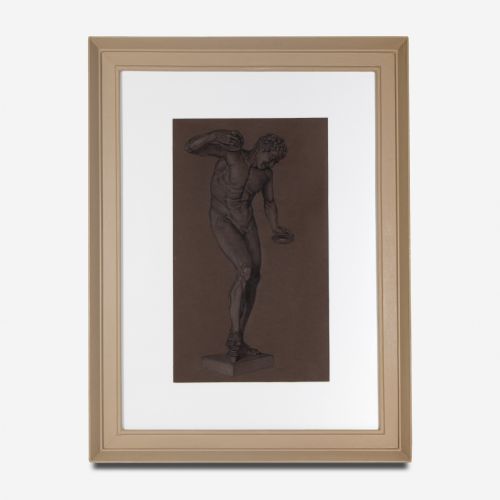

Vintage Framed Pencil Sketch
A vintage framed pencil sketch brings direct hand-drawn character to a wall, offering intimate domestic portraits and rapid plein-air observations captured in graphite.
Vintage Framed Pencil Sketch
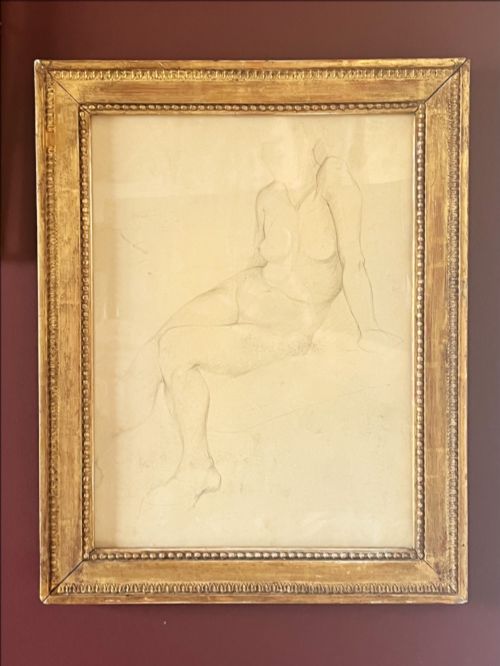
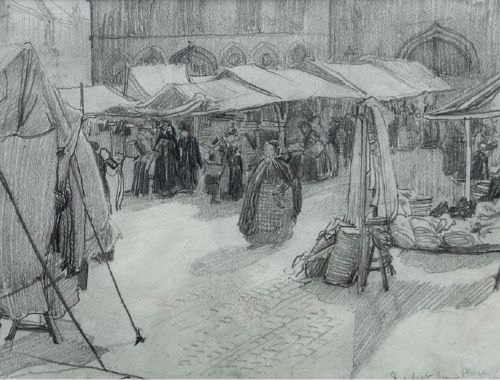
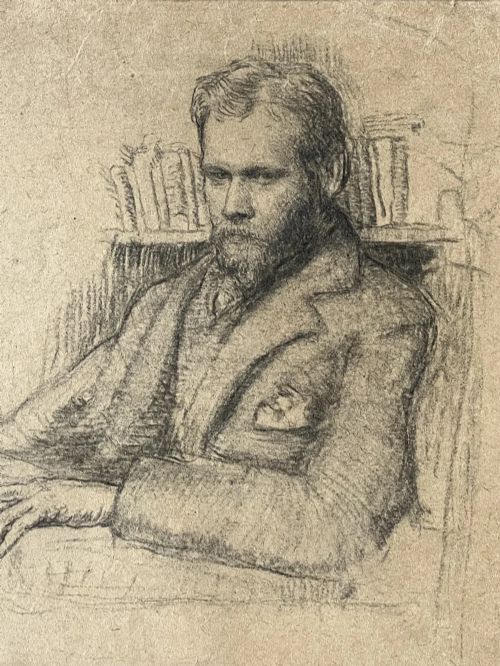
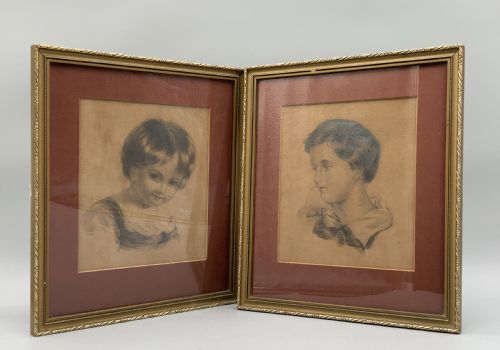
When searching for a vintage framed pencil sketch, buyers encounter original works on paper spanning from the eighteenth century through the mid-twentieth century. The selection ranges from rapid academic studies of the human figure to detailed architectural landscapes and portraits.
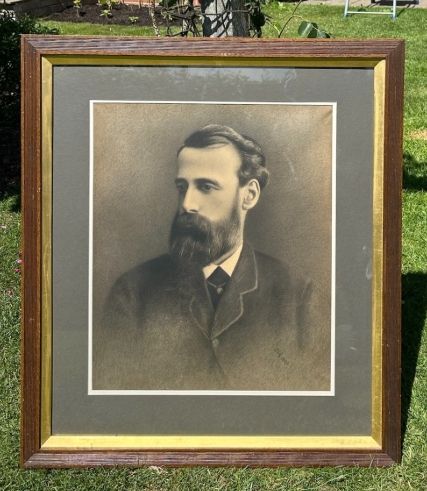
Most pieces on this page originate from the nineteenth and early twentieth centuries, reflecting changing domestic tastes from Victorian portraiture to early twentieth-century British realism and mid-century modern abstraction.
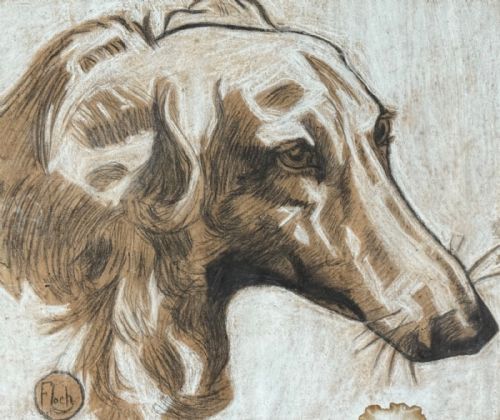
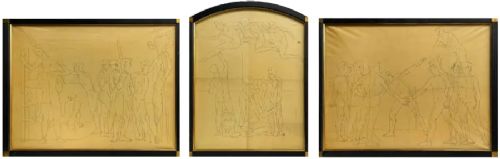
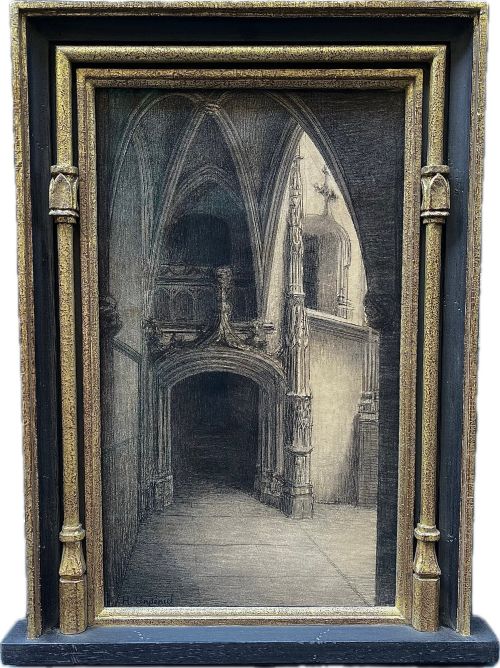
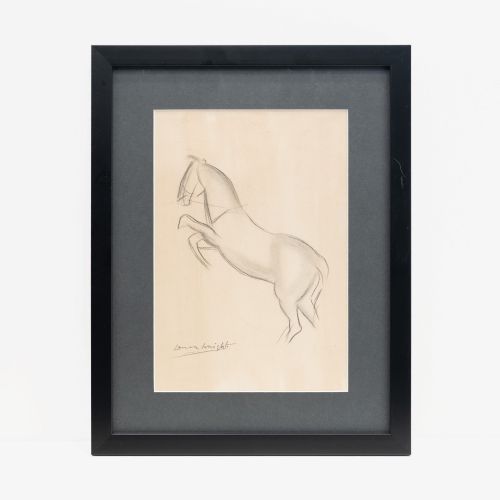
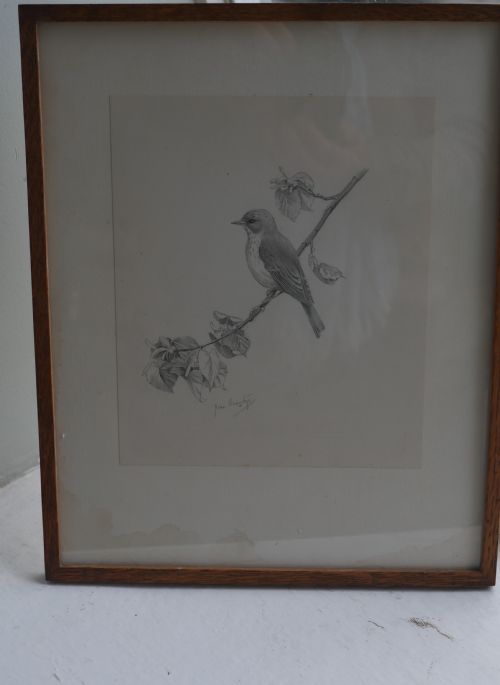
Subjects vary widely, including animal studies of dogs and horses, topographical views of continental buildings, and classical figurative compositions rendered by both named masters and anonymous hands.
How They Were Made
These works rely primarily on graphite, charcoal, and chalk applied directly to various paper supports, occasionally supplemented with watercolour washes, gouache, or ink to build tone and depth.
Framing typically involves period wood mouldings, often finished with gilt accents or simple glazing to protect the delicate paper surface from atmospheric moisture and handling.
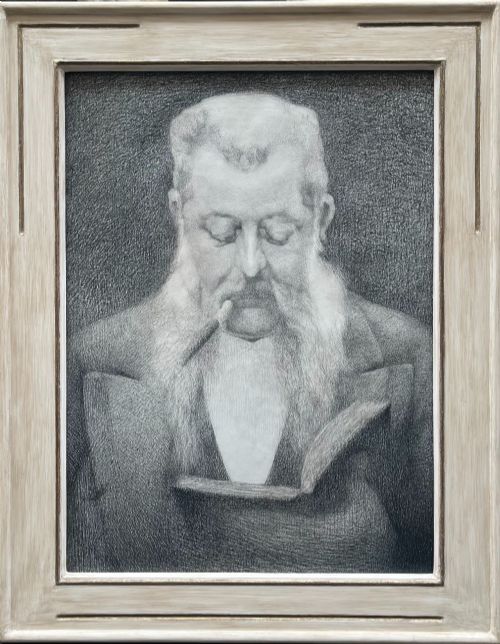
Listings feature portraiture, animal studies, and architectural views spanning the Regency period to mid-century modernism.
What Varies in Quality
The strength of a drawing depends on the sureness of the draughtsmanship, where confident, economical lines reveal the artist's ability to capture form and expression without hesitation.
Preservation of the paper support and the integrity of the media heavily influence overall worth, as foxing, fading, or heavy acidification diminish the visual impact of the original line.
Henry Percy Huggill·Augustus John·James Stroudley·Henri Charles Angeniol·Dame Laura Knight·Demetrios Galanis·Michael Lyne·J W Hogley·Raoul Millais·Fred Lawson·Charles Prosper Sainton·Reginald G. Eves·Faeq Hassan
The Vintage Framed Pencil Sketch Glossary
- Graphite
- A form of carbon used as a drawing medium in pencils, producing grey or black marks that range in hardness and tone. Artists use varying grades to achieve subtle shading and sharp linear detail.
- Foxing
- Brown or yellowish spots caused by chemical reactions in ageing paper, often accelerated by humidity and improper storage. These marks are common in works dating from the nineteenth century and earlier.
- Gouache
- An opaque watercolour paint consisting of pigment, water, and a binding agent such as gum arabic, frequently used alongside pencil to add highlights and blocks of colour to sketches.
- Support
- The underlying physical material, usually paper or card, upon which the artist executes the drawing. The weight, texture, and colour of this surface define the character of the finished work.
- Draughtsmanship
- The skill and technique of drawing, demonstrating the artist's command of proportion, perspective, and line quality. High-level draughtsmanship is the primary marker of academic and professional output.
Vintage Framed Pencil Sketch: Frequently Asked Questions
How do I hang a pencil sketch safely?
Keep drawings out of direct sunlight to prevent the graphite and paper from fading over time. Indirect light preserves the delicate tones of the original medium.
Ensure the room maintains stable humidity levels to protect the antique paper and wooden frames from warping or developing further foxing spots.
Are these drawings original works?
The pieces listed are hand-drawn original works on paper, created directly by the artist rather than being mechanical reproductions or prints.
Many bear signatures, studio stamps, or inscriptions that connect them to specific periods and named practitioners.
How do I tell an 18th-century sketch from a Victorian one?
Eighteenth-century examples often lean toward classical subjects, mythological themes, or fine neoclassical portrait studies after antique sculptures. The paper texture and ink or chalk usage reflect pre-industrial hand-papermaking techniques.
Victorian works frequently embrace romanticism, tighter academic realism, or detailed topographical views of domestic and international locations with heavier framing styles.
What is a deux crayon drawing?
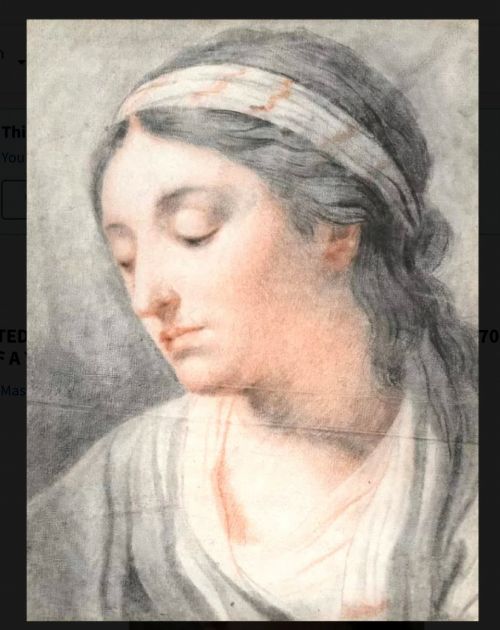
A deux crayon technique involves using two coloured chalks or pencils, typically black and red or white and black, on tinted or buff paper. This method allows artists to build rapid mid-tones and highlights simultaneously.
The style creates a three-dimensional sculptural effect, often found in avant-garde and academic figure studies from the early twentieth century.