




Monochrome Pencil Figure Drawing
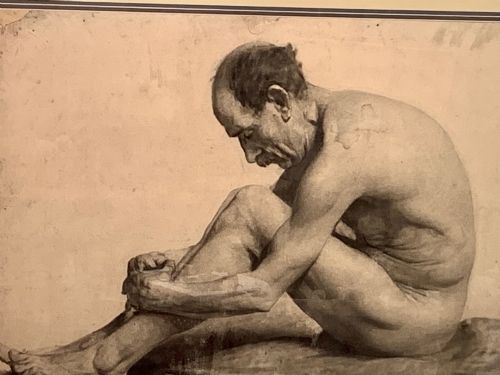
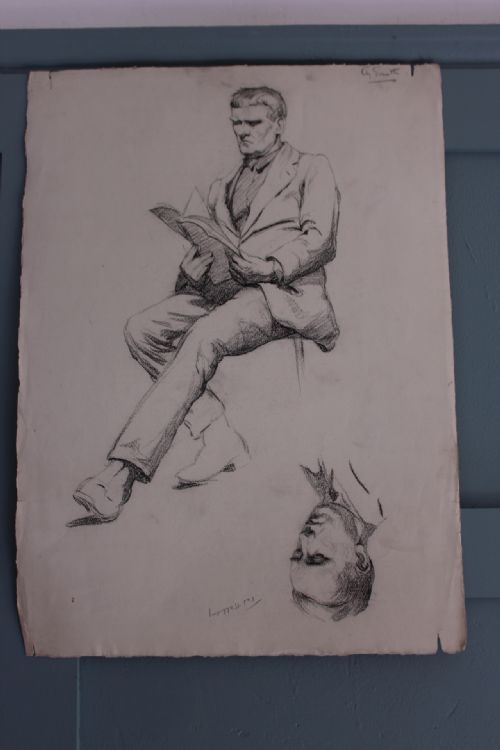
A monochrome pencil figure drawing brings intimate human presence and delicate line work to a room, ranging from neoclassical studies to mid-century modernist portraits.
Monochrome Pencil Figure Drawing
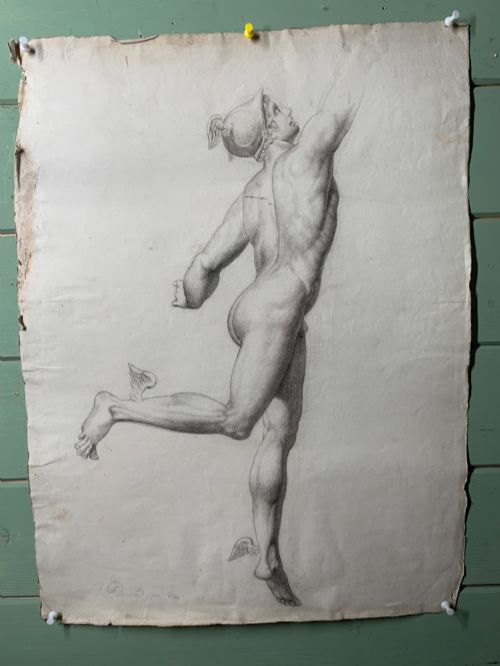
A monochrome pencil figure drawing captures the human form through graphite, pencil, or charcoal on paper. These works span from eighteenth-century sketches and Georgian academic drawings to twentieth-century modern British and surrealist compositions.
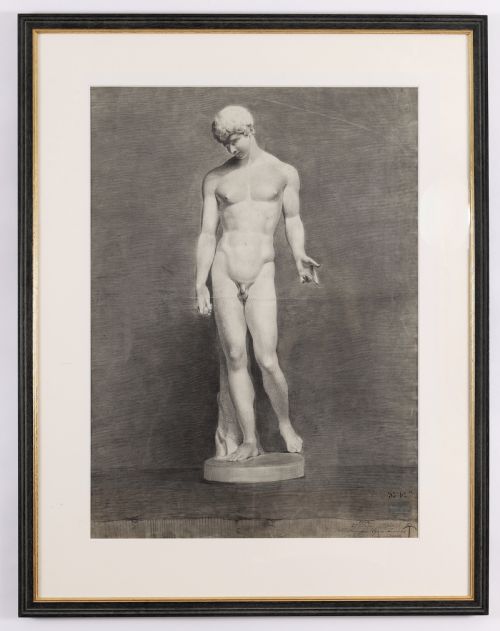
The pieces on this page appear in various formats, predominantly as framed artwork and wall art. Buyers most frequently encounter original portrait studies and figure drawings framed under glass with wooden or metal surrounds.
Origins stretch across European and international schools, including pieces from Paris, Iraq, and African schools. The subject matter ranges from classical figures like Hermes and the Capitoline Antinous to intimate portraits of named individuals.
Materials and Technique
Artists create these works primarily on paper using graphite, pencil, and charcoal. These dry media allow for subtle tonal shifts, fine hatching, and deep shadows.
Framing materials typically comprise wood and metal, protecting the delicate paper supports beneath glass. The combination of simple drawing media on aged paper defines the physical character of each piece.
Some anonymous subjects stared across Paris cafes a century ago, their soul-stirring eyes preserved forever in graphite.
Evaluating Quality and Execution
Quality rests upon the sureness of the line and the precision of anatomical or portrait structure. Academic studies demonstrate rigorous draughtsmanship, whilst modernist and surrealist works prioritize expressive or atmospheric power.
The handling of tone and light separates routine studio exercises from accomplished works. Provenance, artist signatures, and dated compositions further distinguish significant pieces within the range.
Augustus Edwin John·Faeq Hassan·Francis Dodd·Cecil CP Lawson
The Monochrome Pencil Figure Drawing Glossary
- Graphite
- A form of carbon used as a drawing medium in pencils, producing tones from silvery grey to deep black. It allows for both sharp linear work and soft shading.
- Charcoal
- A dry drawing material made from burnt organic matter, known for rich, velvety dark marks and expressive breadth. It often appears in large-scale studies.
- Academic Realism
- A style resulting from rigorous training in traditional academies, emphasising precise anatomy and faithful representation. Works in this vein often depict classical statues or models.
- Surrealism
- A twentieth-century movement exploring the subconscious, dreams, and fantastical imagery. Drawings from this style combine recognizable figures with dreamlike, unexpected elements.
- Neoclassical
- A style drawing inspiration from the classical art and culture of ancient Greece and Rome. It emphasises restrained grandeur, clear outlines, and classical subjects.
Monochrome Pencil Figure Drawing: Frequently Asked Questions
How should I frame an old drawing?
Protect the paper by using acid-free mounts and framing behind glass to block ultraviolet light.
Keep the artwork away from direct sunlight and damp environments to preserve the paper and dry media.
How do I identify the period of a drawing?
Examine the paper type, framing style, and any inscriptions or dates left by the artist. Signatures and stylistic clues such as academic realism or art deco details also help narrow down the decade.
Are these drawings original works?
The selection consists of original hand-drawn pieces rather than mechanical reproductions or prints. Each drawing displays unique hand pressure, eraser marks, and individual artist touch.
What is the difference between charcoal and graphite?
Charcoal yields deep, velvety blacks and smudges easily for soft shadows and broad marks. Graphite produces a metallic sheen with finer, more controlled lines.