




Signed Pencil Portrait Drawing
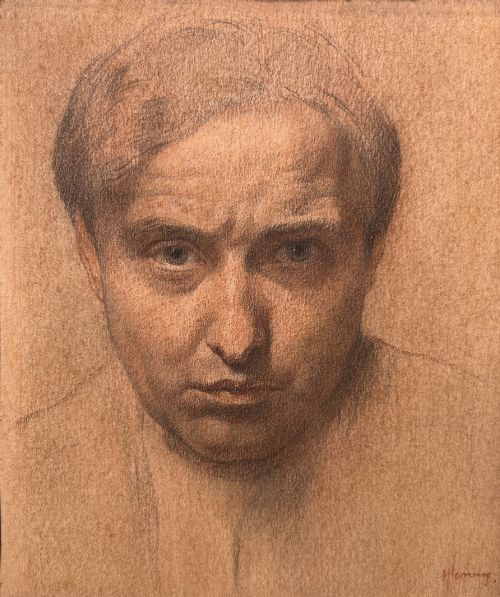
A signed pencil portrait drawing brings immediate character to a room, offering a direct record of an individual captured through intimate mark-making.
Signed Pencil Portrait Drawing
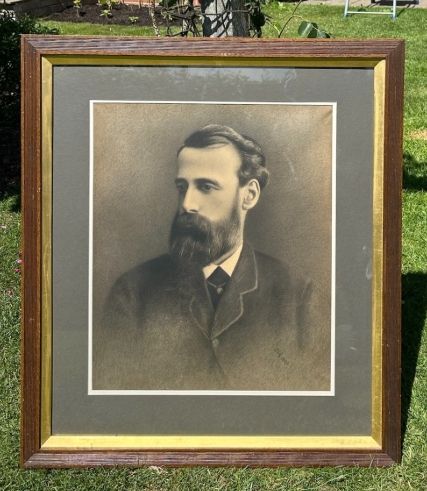
When you search for a signed pencil portrait drawing, you encounter works spanning the nineteenth and twentieth centuries, taking the form of framed wall art, fine art drawings, and preliminary sketches. These pieces range from Victorian depictions of English gentlemen and ladies with their spaniels to early twentieth-century studies, modernist works, and mid-century modern realism.
The subjects depicted vary widely, encompassing domestic sitters, literary figures, soldiers in uniform, and regional studies including Orientalist and Modern Iraqi art. The majority of these artworks arrive mounted and framed behind glass, preserved on paper or card.
The originators of these works include named artists and accomplished members of various schools, capturing likenesses through meticulous line work or rapid gestural sketches.
Materials and technique
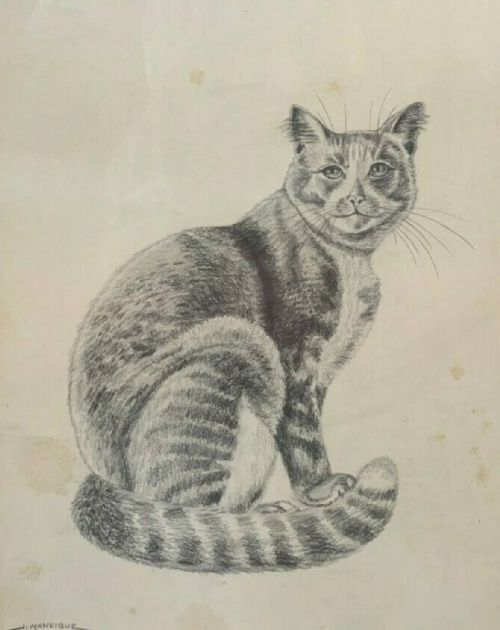
Artists utilise graphite pencil, charcoal, and chalk directly onto paper or card, frequently combining these dry media with watercolour, pastel, or gouache for added tonal depth.
Support materials typically consist of paper housed within wooden frames under glass protection, sometimes accompanied by mounts that frame the composition.
Several portraits preserve the intense gaze of subjects accompanied by unexpected companions, including a spaniel and a collection of black hats.
Judging quality
Quality rests upon the sureness of the hand and the sensitivity of the draughtsmanship, where confident line work and accurate facial structure elevate a study far above a stiff mechanical likeness.
The distinction between a casual sketch and a masterwork lies in the ability to suggest character, mood, and presence with minimal strokes of graphite or charcoal.
Herbert Johnson Harvey·Augustus Edwin John·Raoul Millais·Reginald G. Eves·Faeq Hassan·Dame Laura Knight·Theobald Chartran·Francis Dodd·Harry Epworth Allen·Harold Hope Read·Jean Betourne
The Signed Pencil Portrait Drawing Glossary
- Graphite
- A form of carbon used as a drawing medium in pencils, producing grey or black marks with varying degrees of hardness.
- Charcoal
- A dry drawing material made from burnt organic matter, creating deep blacks and soft smudged lines.
- Gouache
- An opaque water-based paint frequently applied over pencil lines to build highlights and colour.
- Mount
- A cardboard border placed inside the frame around the drawing to separate the paper from the glass.
Signed Pencil Portrait Drawing: Frequently Asked Questions
How should I hang a pencil drawing?
Keep works on paper away from direct sunlight to prevent the graphite, charcoal, and watercolour pigments from fading over time.
Ensure the room maintains stable humidity levels so the paper does not warp or develop foxing inside the frame.
Are these drawings original works?
Yes, the listings comprise unique hand-drawn original artworks rather than mass-produced prints or mechanical reproductions.
Each piece contains the physical traces of the artist's hand, including graphite impressions and visible charcoal dust.
How do I identify the period of a drawing?
Clothing styles, hairstyles, and framing methods often provide the clearest chronological indicators for portrait subjects.
Signatures, dates written on the reverse, and paper characteristics further help anchor the piece to a specific decade or century.
What is the difference between pencil and charcoal?
Pencil creates finer, harder lines with a metallic sheen, whereas charcoal produces velvety, deep black marks that smudge easily.
Artists frequently combined both mediums to achieve sharp facial details alongside broad, shadowy backgrounds.