



French Academic Artwork
French academic artwork encompasses rigorous nineteenth-century paintings, drawings, and bronze sculptures born from strict Salon training and classical studio traditions.
French Academic Artwork
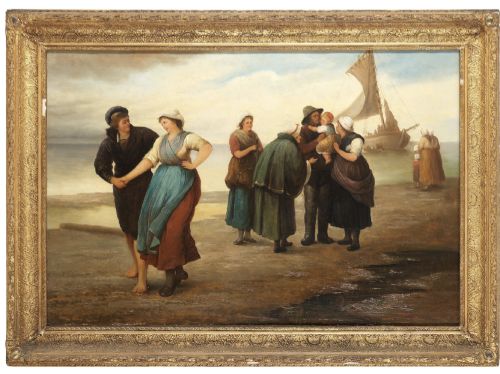
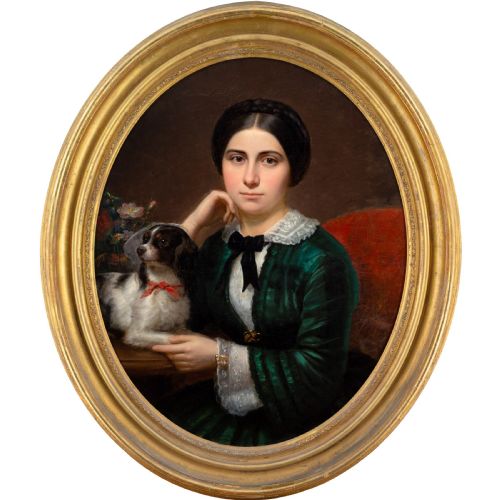
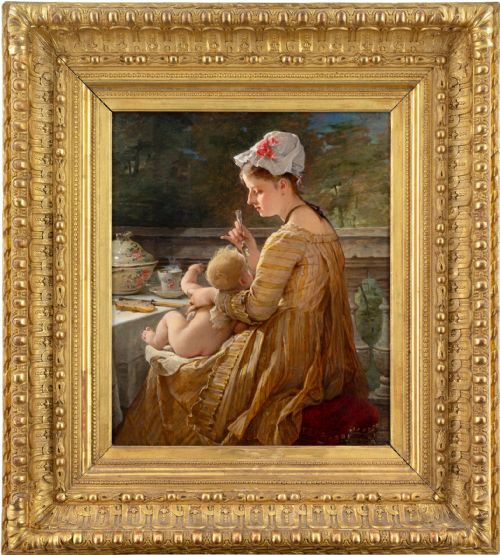
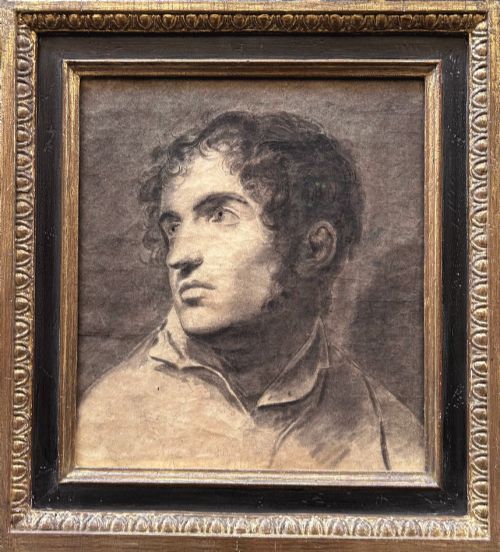
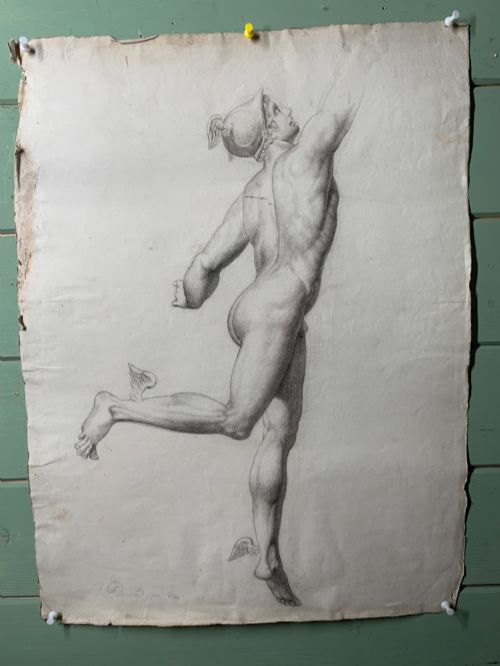
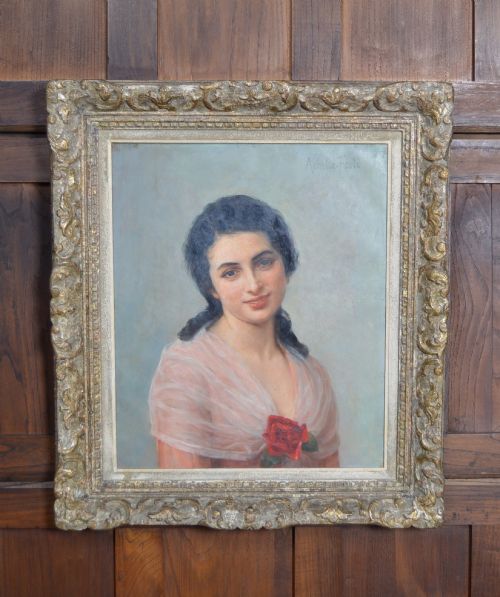
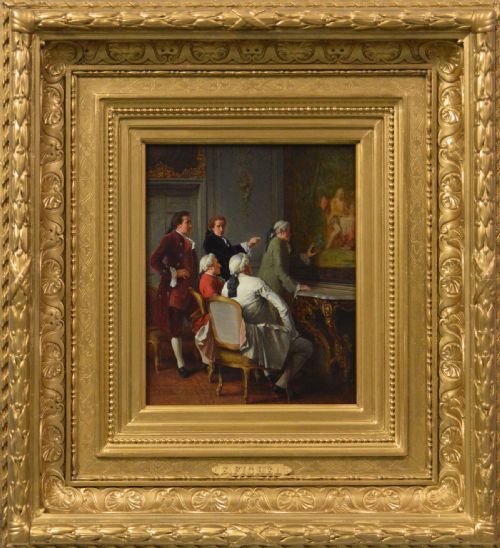
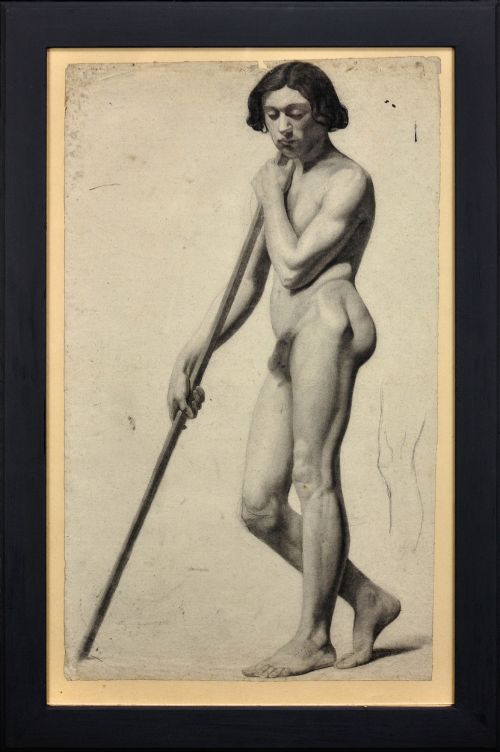
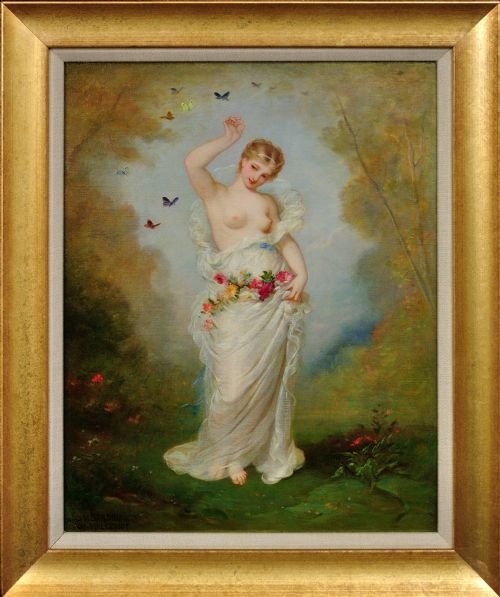
When searching for french academic artwork, buyers encounter disciplined nineteenth-century creations ranging from meticulous pencil life studies to grand historical genre oil paintings. The most common manifestations on this page are framed oil paintings on canvas and panel, alongside detailed charcoal or graphite drawings and bronze sculptures.
The objects originate primarily from the nineteenth century, reflecting the rigorous instruction of the French school and Neoclassical ideals. Subjects span mythological themes, portraits of women and gentlemen, military scenes, and allegorical compositions rendered with strict anatomical precision.
How they were made
Makers utilised oil on canvas and wood panel for paintings, building up pigment through layered glazes to achieve realistic textures in drapery and flesh. Drawings on paper employed charcoal, graphite, and chalk to capture light, shadow, and muscular form during life-drawing sessions.
Sculptures were cast in bronze, frequently mounted on giltwood or wood bases, capturing fluid movement and intricate detail in subjects like figures and animals. Framing often involved gilt wood, preserving the presentation favoured by nineteenth-century salons.
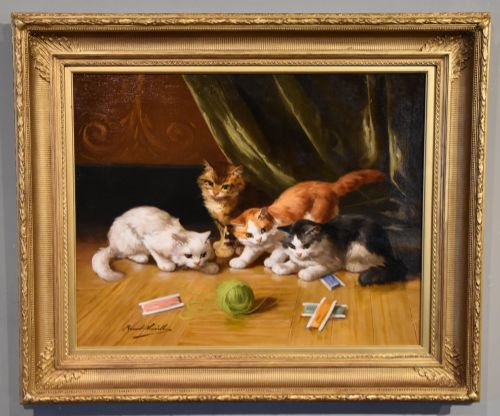
Kittens at play occasionally infiltrate the solemn discipline of nineteenth-century academic studios.
What varies in quality
Quality rests in the precision of anatomical rendering, the subtlety of tonal transition in charcoal or oil, and the expressive depth of the subject matter. Superior examples display confident brushwork and rigorous draughtsmanship that reveal the artist's mastery of formal studio training.
The distinction between standard works and exceptional pieces lies in the complexity of the composition, the handling of light, and the historical significance of the genre. Bronze castings differ in the crispness of the chase work and the richness of the patina applied to the metal.
Adelaïde Salles-Wagner·Achille-Fould·Alfred Arthur Brunel de Neuville·Benjamin Eugene Fichel·Henry Arthur Roberts·Charles Zacharie Landelle·André Charles Voillemot·Ferdinand Victor Leon Roybet·Emile Louis Picault·Auguste Moreau·Thomas Couture·Fernand Jean Barbier·Charles Arthur Bourgeois·Lucien Madrassi·Paul Leon Jazet·Théophile Emmanuel Duverger·Paul Viry·Marcel Brunery·Edmund Alphonse Andre·Pauline Delacroix Garnier·James Bertrand·Adolphe-Alexandre Lesrel·Jules Girardet·Theobald Chartran
The French Academic Artwork Glossary
- Academic Realism
- A style of painting and sculpture produced under the influence of European academies of art, combining realistic depiction with classical subjects. This approach prioritised technical perfection, anatomical accuracy, and adherence to established historical themes.
- Historical Genre
- A category of painting depicting scenes from everyday life infused with historical costume and narrative context. These works often reconstruct past eras with meticulous attention to period interior decoration and dress.
- Life Study
- An artwork created directly from a live model, typically focusing on the nude human form to practice anatomy and shading. These drawings and paintings served as foundational exercises for larger Salon compositions.
- Patina
- The surface sheen or coloration developed on bronze sculptures over time or through chemical treatment. A well-preserved patina enhances the sculptural contours and depth of the metal.
- Grand Prix de Rome
- A prestigious French scholarship for painters, sculptors, and architects, allowing winners to study in Rome. Submissions for this prize represented the pinnacle of academic student training.
French Academic Artwork: Frequently Asked Questions
What defines french academic artwork?
These pieces are defined by their adherence to the strict technical standards of nineteenth-century European art academies and the French school. They emphasise classical composition, accurate anatomy, and traditional storytelling through painting, drawing, and bronze.
Subjects frequently include historical narratives, portraits, mythological scenes, and detailed life studies of the human figure. The discipline required rigorous training in rendering light, shadow, and texture convincingly.
How should I hang an oil painting?
Oil paintings on canvas or panel require stable environmental conditions away from direct sunlight and excessive humidity. Wall placement should avoid rapid temperature fluctuations to protect both the canvas and the original gilt wood frame.
Ensure the hanging hardware is securely fixed to the wall to support the weight of the frame and canvas. Professional picture hooks matched to the weight of the piece will keep the artwork level and secure.
How do I care for bronze sculptures?
Bronze sculptures benefit from occasional dusting with a soft, dry cloth to prevent particulate accumulation on the surface. Avoid using chemical cleaners, water, or abrasive materials that can strip or alter the original patina.
Applying a microcrystalline wax sparingly can protect the metal surface from moisture and handling oils. Maintaining a stable indoor climate preserves the integrity of both the bronze and any wooden or giltwood bases.
How do I identify a life study?
Life studies are typically characterised by a concentrated focus on a single human figure, often nude or semi-nude, posed against a neutral background. These works reveal careful observation of muscle structure, lighting, and shadow rather than a complex narrative.
Artists produced them during drawing sessions in academic studios to master human anatomy. Signatures, dates, and inscriptions regarding studio practice often accompany these works on paper or canvas.