





French Romantic Painting
These pieces of french romantic painting bring the emotional drama and decorative finesse of the nineteenth century straight into a room.
French Romantic Painting
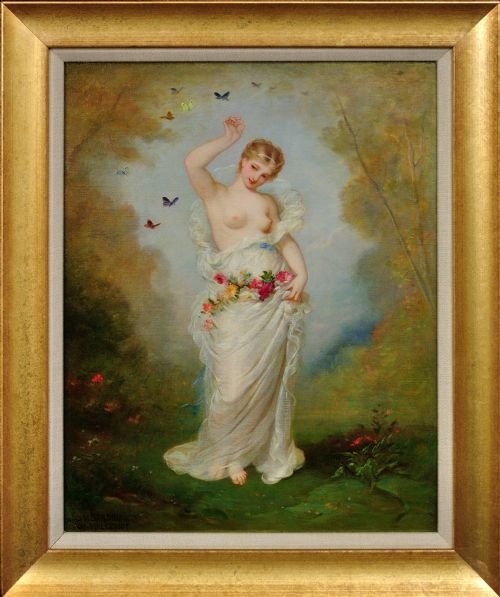
A french romantic painting captures the expressive narratives, landscape views, and figure studies characteristic of the nineteenth century. These works frequently arrive framed in oil paint upon canvas or panel, carrying the hallmarks of the French Academic style and the French Romantic School.
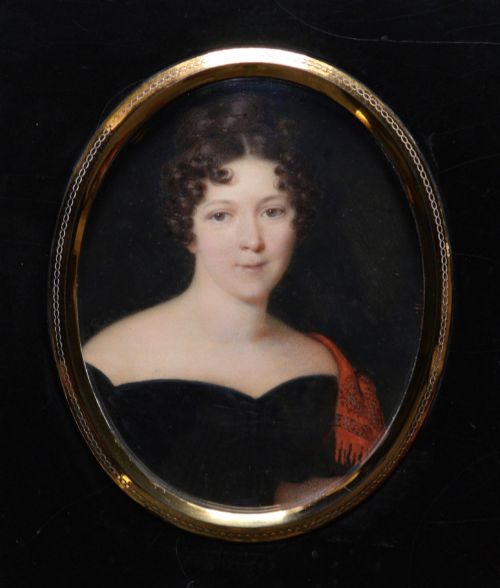
Buyers regularly encounter oil paintings alongside related decorative objects like porcelain figures, portrait miniatures, and watercolours. The selection bridges formal academic portraiture and intimate mythological or pastoral themes.
The objects span periods from the early eighteen hundreds through to Edwardian interpretations, reflecting steady nineteenth century output. Canvas and oil paint dominate the primary artworks, supported by secondary items in porcelain and gesso.
Assessing quality
Quality rests upon the confidence of the brushwork and the expressive depth of the figures or landscape. Stronger examples display deliberate draftsmanship and harmonious composition rather than mechanical repetition.
The preservation of the original paint surface and the craftsmanship of any accompanying gilt bronze or porcelain mountings influence the standing of a piece. Finer works maintain crisp detail in both the central canvas and its physical housing.
French Romantic Painting Retail Price Guide 2026
Typical asking prices for french romantic painting among the pieces listed under this phrase on Sellingantiques today, from the lower quarter to the upper quarter. They describe what is for sale here now, not the wider market.
One canvas captures a poetic exchange where a portrait asks for a caress while a companion responds with a tickle.
Letu & Mauger Paris·Charles Zacharie Landelle·André Charles Voillemot·Alphonse Robert·James Bertrand·Leon Girardet
The French Romantic Painting Glossary
- French Academic Style
- A rigorous artistic approach governed by the rules of official academies, emphasising historical, mythological, and romantic subjects with polished technique.
- Oil Paint
- A slow-drying medium consisting of pigments suspended in a drying oil, allowing artists to achieve subtle tonal gradations and deep colour saturation on canvas.
- Canvas
- Heavy woven fabric stretched across a wooden frame to serve as a durable support for oil paintings.
- Portrait Miniature
- A small, highly detailed painting, often executed on ivory, vellum, or card, capturing the likeness of an individual with meticulous precision.
- Gesso
- A plaster-like mixture applied to panels or frames to prepare a smooth surface for painting or gilding.
French Romantic Painting: Frequently Asked Questions
What defines a french romantic painting?
These works focus on emotional intensity, dramatic narratives, and expressive figures rather than strict neoclassical restraint. They often depict intimate human interactions, classical myth, or atmospheric landscapes.
Created primarily during the nineteenth century, the medium relies on oil paint upon canvas to achieve rich tonal depth and movement.
How should I display these paintings?
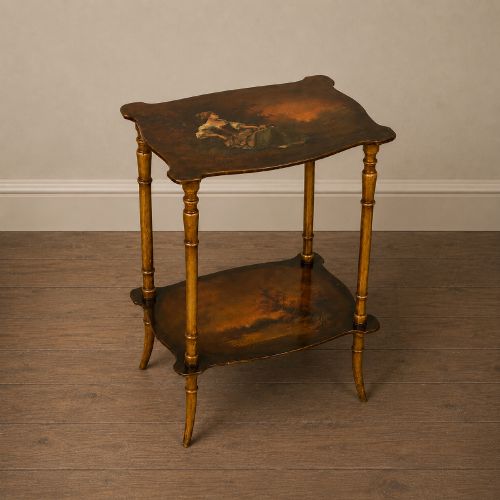
Hang them away from direct sunlight to protect the oil pigments and any delicate gilt frames from fading. Pairing them with period side tables or porcelain objects creates a cohesive nineteenth century interior.
Ensure the room maintains stable humidity levels to prevent canvas slackening or wood panel movement.
Are watercolours common in this period?
Waterworks appear alongside oil paintings, offering a lighter medium on paper that captures immediate detail. Artists used them for intimate portraits and preparatory studies.
These works require careful framing behind protective glass to prevent moisture and light damage.
How do I identify the date of a piece?
Examine the canvas preparation, stretcher frames, and the style of the signature or framing. Nineteenth-century works often carry specific biographical dates of the artist or period stamps.
Compare the subject matter against established academic and romantic motifs from the eighteen hundreds.