






Academic Realism Oil
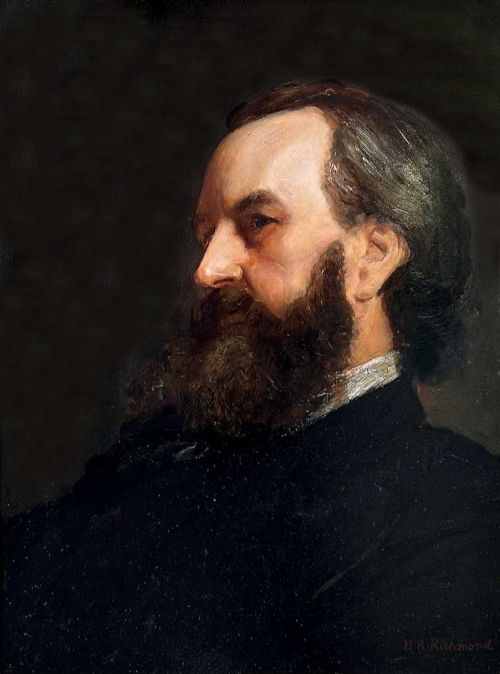
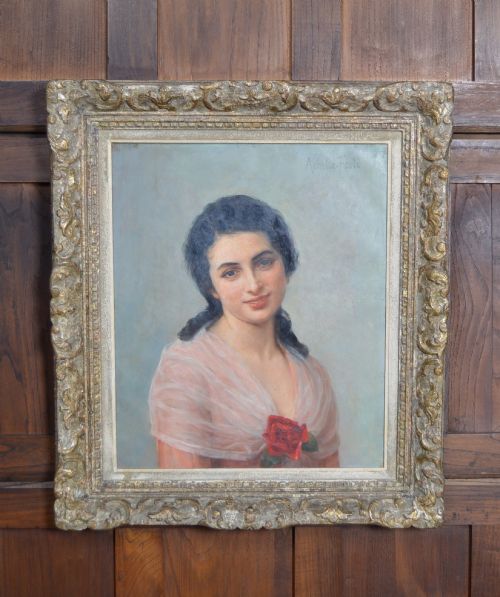
Academic realism oil paintings bring nineteenth-century portraiture and genre scenes into a room with striking fidelity, capturing human emotion and character with meticulous brushwork.
Academic Realism Oil
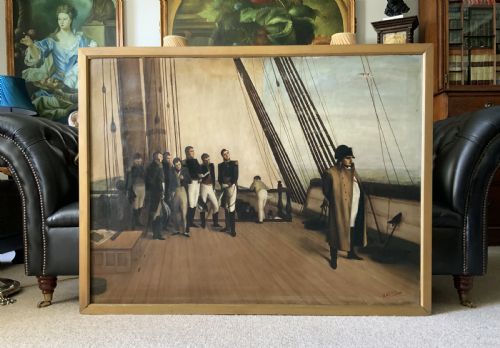
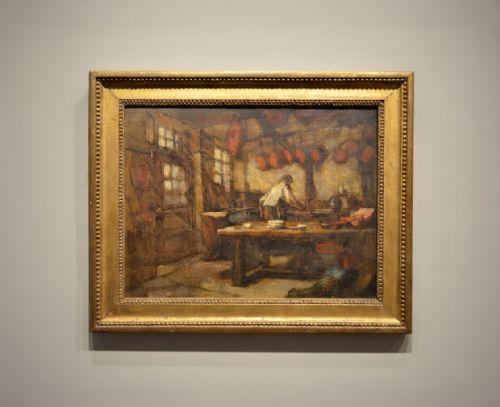
Academic realism oil pieces span the Victorian era into the twentieth century, encompassing works created under rigorous European academy traditions. When exploring academic realism oil selections, collectors encounter historical genre scenes, maritime subjects, and detailed character portraits executed with profound technical precision.
The prevailing format on this page is the oil painting on canvas or panel, frequently housed in heavy giltwood or gesso frames. These works originate from various European schools, including French, Viennese, and Italian traditions, dating from the mid-nineteenth century through to the mid-twentieth century.
Materials and technique
Artists painted primarily with oil pigments onto stretched canvas or wooden panels, building compositions through careful glazing and layering to achieve lifelike textures and lighting. These surfaces received protection and emphasis from ornate frames constructed from wood, gesso, and giltwood.
The technical discipline visible in these works reflects formal training in academic institutions, where draftsmanship and mastery of human anatomy formed the foundation of every composition before colour and light were applied.
Academic Realism Oil Retail Price Guide 2026
Typical asking prices for academic realism oil among the pieces listed under this phrase on Sellingantiques today, from the lower quarter to the upper quarter. They describe what is for sale here now, not the wider market.
Card games, musket-wielding musketeers, and portrait dogs keep serious nineteenth-century academic painters surprisingly good company.
Judging the work
Distinction in these paintings rests upon the artist's command of light, shadow, and psychological depth, where subtle shifts in expression elevate a standard portrait into a compelling study. The intricacy of surrounding detail, from fabric textures to interior furnishings, further separates ambitious gallery pieces from simpler works.
The preservation of the original paint surface and the integrity of the ground layer dictate the long-term visual power of the canvas. Additionally, period frames executed in carved giltwood contribute materially to the historical completeness of the piece.
Vittorio Reggianini·William Blake Richmond·Achille Fould·Johann Hamza·Charles Zacharie Landelle·Ferdinand Victor Leon Roybet·Thomas Couture·Antonietta Brandeis·Hans Temple·Pierre Louis Joseph De Coninck·Arthur Spooner·Geza Vastagh·Alfred Seifert·George R Havelka
The Academic Realism Oil Glossary
- Genre painting
- Depictions of everyday life and ordinary people engaged in non-posed activities. These works focus on narrative moments and domestic interiors rather than formal portraiture.
- Gesso
- A plaster-like mixture applied to wooden frames or panels to prepare a smooth surface for gilding and ornamentation. It provides the foundation for intricate moulded details on period frames.
- Panel
- A rigid wooden support used by artists in place of canvas. Panels offered a stable surface that prevented the sagging associated with older woven textiles.
- Giltwood
- Timber carved and coated with a thin layer of gold leaf or metallic powder. This material defined the opulent framing styles favoured during the Victorian and academic periods.
- Oil on canvas
- Pigments bound in a drying oil medium and applied to a woven fabric support. This combination allowed artists to achieve rich tonal gradations and lasting flexibility.
Academic Realism Oil: Frequently Asked Questions
What defines academic realism?
Academic realism describes nineteenth-century painting rooted in the standards of European art academies. These works emphasise precise draftsmanship, anatomical accuracy, and detailed observation of light and subject matter.
Subjects frequently include historical narratives, intimate genre scenes, and lifelike portraits rendered with meticulous attention to texture and form.
How do I hang a heavy oil painting?
Heavy oil paintings require secure wall fixings anchored directly into wall studs or masonry using appropriate picture wire and load-rated hooks. Ensuring the structural integrity of the wall prevents accidents with substantial framed canvases.
Position the centre of the canvas at average eye level to create a balanced focal point within the room.
Should I clean an antique oil painting?
Surface dust may be removed gently with a soft, dry brush, but deeper cleaning or varnish removal requires professional conservation expertise. Attempting DIY restoration risks damaging delicate paint layers beneath.
Consult a qualified conservator if discoloured varnish or grime obscures the original tones of the composition.
How do I identify the period?
Dating relies on examining the stretcher frames, canvas stamps, framing styles, and the artist's active working dates recorded in historical catalogues. Stylistic conventions also provide strong chronological markers.
Signatures, exhibition labels, and stamps on the reverse offer definitive clues to the exact decade of creation.