
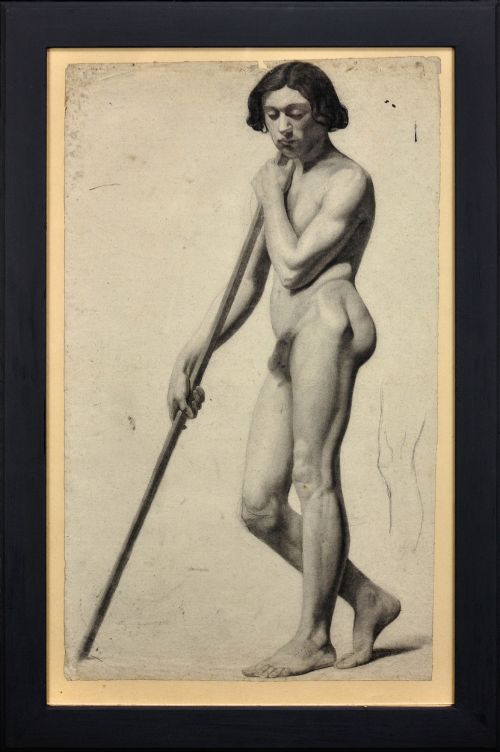


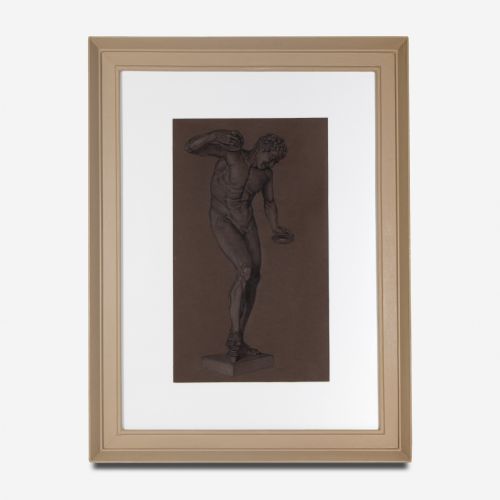


Academic Charcoal Sketch
An academic charcoal sketch captures the rigorous discipline of historical art training through tonal depth and careful observation.
Academic Charcoal Sketch
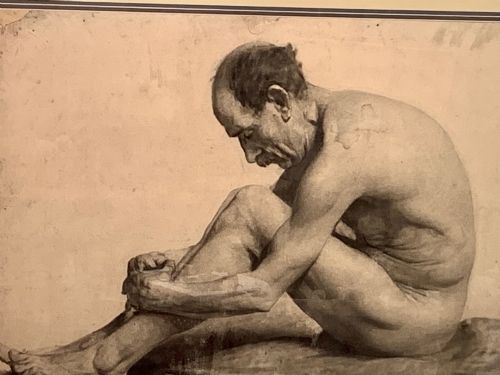
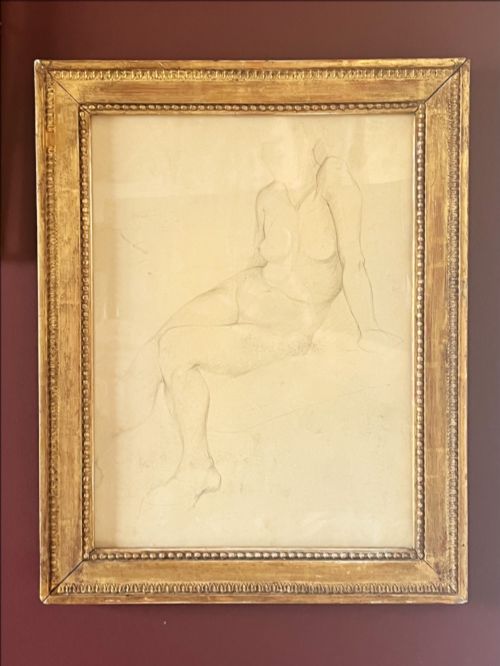
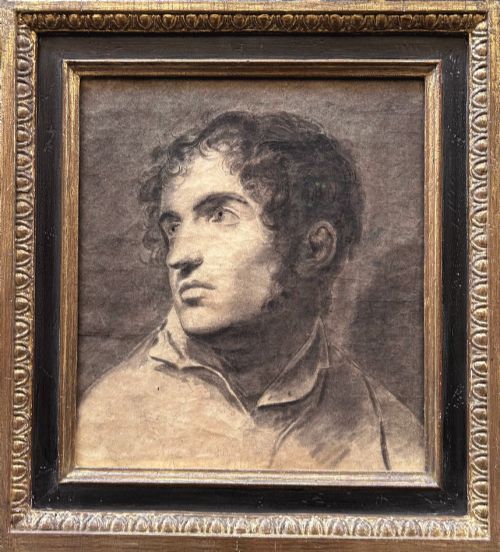
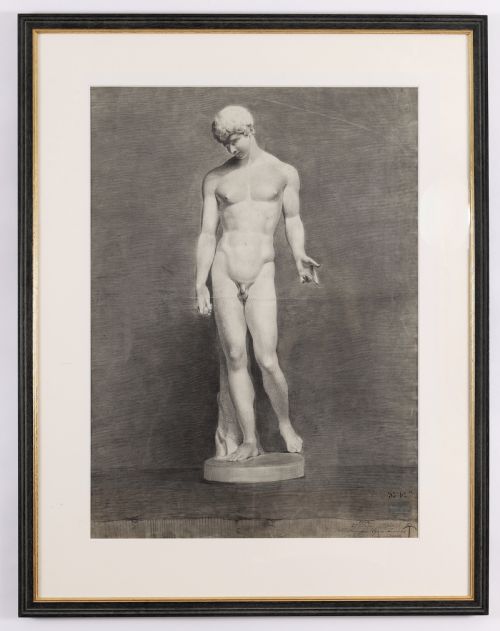
An academic charcoal sketch forms part of a rigorous tradition of study focusing on human anatomy, classical sculpture, and portraiture. Buyers searching for this phrase encounter framed life studies and portraits originating from the eighteenth century through to the mid-twentieth century.
The selections span distinct regional schools, including French, Italian, and English works executed in styles ranging from Neoclassical and Academic Realism to Mid-Century Modern. These pieces typically manifest as framed wall art designed for display in studies, libraries, or drawing rooms.
The primary forms available consist of original life drawings, studio studies, and allegorical compositions. These works record the training methods of past academies, capturing both finished portraiture and rapid observational sessions.
Materials and Technique
Artists executed these works primarily upon paper or toned paper substrates, utilising charcoal, graphite, and chalk to build layered tonal values. The inclusion of tinted papers allowed draughtsmen to apply white chalk highlights alongside deep charcoal shadows, creating strong contrasts.
Framing materials reflect the period of creation or subsequent mounting, utilising glass protection alongside wood frames, including antique giltwood and carved Florentine examples. These protective housings preserve fragile dry media works from smudging and environmental degradation.
Several drawings preserve the hurried graphite notes of long-dead instructors scrawled silently in the margins.
Assessing Quality
Quality rests upon the sureness of the draughtsmanship, the accuracy of anatomical rendering, and the sensitivity with which light models form. Stronger examples demonstrate a confident command of contour and shadow, whereas weaker sheets exhibit tentative lines and heavy-handed shading.
The sophistication of the composition and the historical significance of the sitter or studio context elevate certain pieces above standard student exercises. Original framing, particularly period giltwood or carved wooden surrounds, enhances the presentation of the artwork.
Henry Arthur Roberts·Winifred Eugene Ballard·Reginald G Eves·John Macallan Swan·Theobald Chartran·Ernest Borough Johnson·George Richmond·Cecil CP Lawson
The Academic Charcoal Sketch Glossary
- Life study
- A drawing produced by observing a live nude or clothed model directly. These exercises formed the cornerstone of academic training.
- Academic Realism
- A style of painting and drawing produced under the influence of European academies of art. It prioritises precise anatomical accuracy and classical finish.
- Toned paper
- Paper that possesses a natural colour such as grey, tan, or blue rather than pure white. This base allows artists to work mid-tones up with white chalk and down with charcoal.
- Giltwood
- Wood that has been coated with a thin layer of gold leaf. Antique frames often utilise this technique to provide an ornate border.
Academic Charcoal Sketch: Frequently Asked Questions
What is an academic charcoal sketch?
An academic charcoal sketch is a drawing produced during artistic training, focusing on the careful study of the human figure, portraiture, or classical sculpture.
These works demonstrate the rigorous technical standards required by historical art academies across Europe.
How were these drawings used?
Artists created these sketches as preparatory exercises for larger paintings, as teaching tools within art schools, or as finished portrait records.
They served to refine the draughtsman's understanding of anatomy, light, and shadow before executing major canvases.
How do I live with antique drawings?
Antique drawings require protection from direct sunlight to prevent the paper from yellowing and the charcoal or chalk media from fading.
Display them behind glass in stable indoor environments away from excessive moisture or fluctuating temperatures.
How can I tell periods apart?
Periods are distinguished by stylistic shifts, framing materials, and the specific clothing or hairstyles of portrayed sitters.
Eighteenth and nineteenth-century works frequently display neoclassical or academic realism traits, while later twentieth-century pieces adopt freer modern interpretations.