
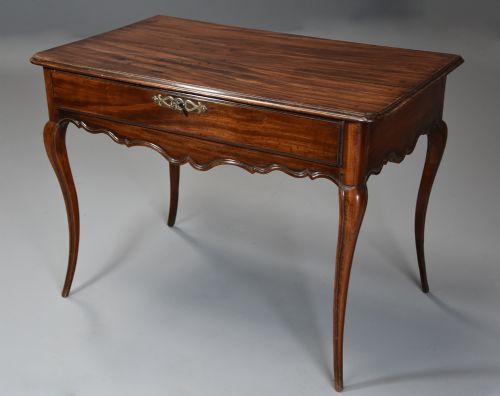


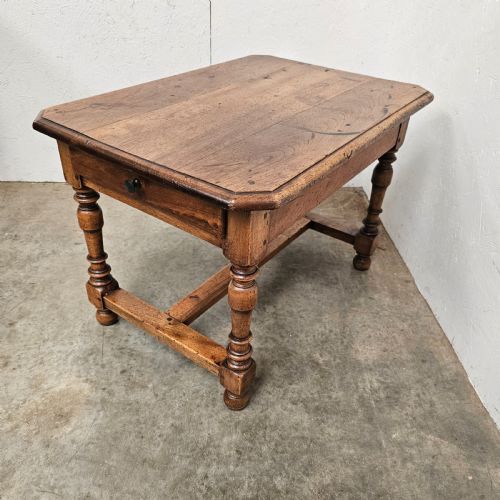

French Provincial Lamp Table
A French provincial lamp table brings provincial utility and regional warmth into a room, offering a compact surface built for daily service.
French Provincial Lamp Table
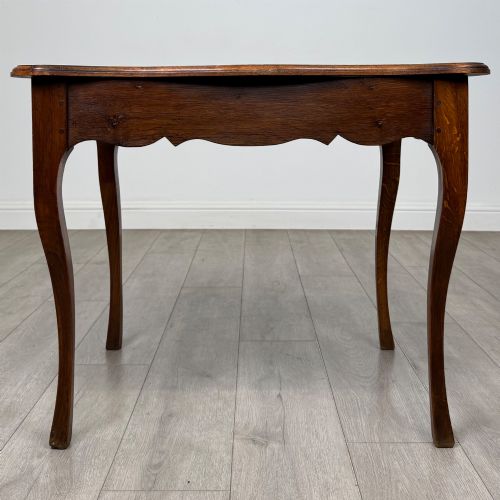
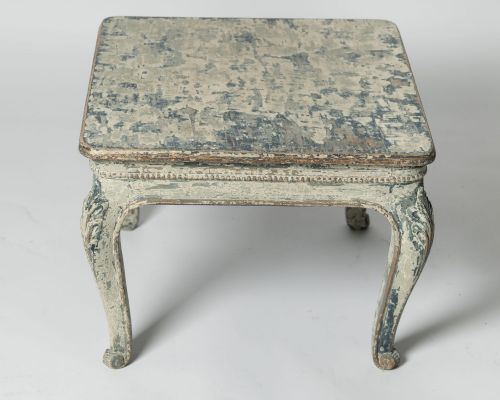
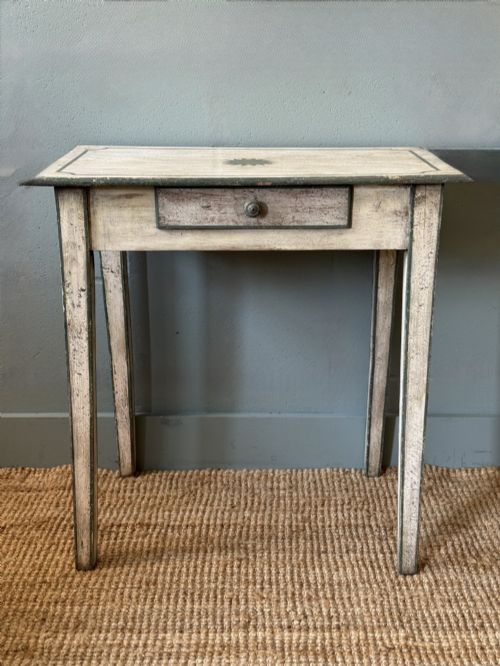
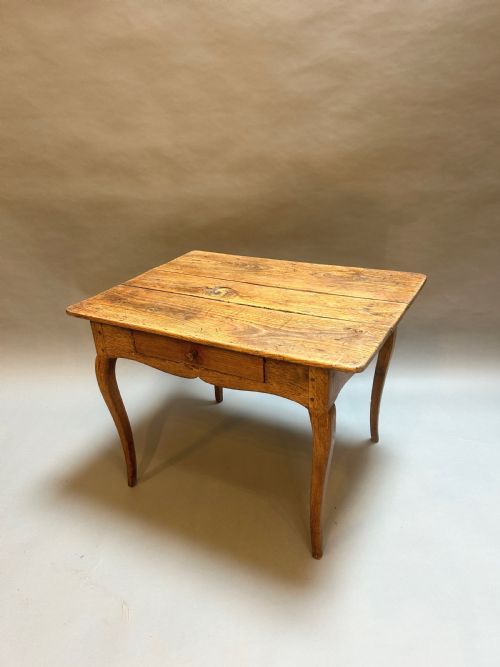
A french provincial lamp table typically appears as a side table, occasional table, bedside cabinet, or small chest designed to hold light fixtures and everyday items.
The pieces on this page span from the eighteenth century through the Edwardian era and the early twentieth century, showing both country workshop origins and revival aesthetics.
Forms range from simple turned-leg tables in oak and fruitwood to marble-topped bedside chests and inlaid walnut occasional pieces.
Materials and construction
Cabinetmakers utilised solid timbers including walnut, oak, fruitwood, cherry, mahogany, and elm, often pairing wooden frames with inset marble tops or brass hardware.
Surface treatments involve natural wax finishes, original paint, and quartered veneers, alongside carved decoration, barley twist turnings, and canework details.
Dating spans across the eighteenth century, the nineteenth century, the Edwardian period, and into the 1920s and 1930s.
Distinctions in quality
Superior examples show depth in the original patina of walnut and oak, clean execution of carved decoration, and precise joinery in drawers and tabletops.
Lower tiers often involve later surface alterations or mismatched replacement elements that diminish the integrity of the piece.
The French Provincial Lamp Table Glossary
- Patina
- The surface sheen and coloration developed by wood through age and use. This quality distinguishes untouched period timber from modern refinishing.
- Etagere
- An open tiered piece of furniture used for displaying small objects. These often incorporate marble and canework alongside wood.
- Occasional table
- A small movable table intended for auxiliary use in a room. Such forms serve easily beside seating or beds.
- Quartered walnut
- Timber cut radially from the log to display distinctive grain patterns. Cabinetmakers utilised this technique on tabletops for visual interest.
French Provincial Lamp Table: Frequently Asked Questions
How do I date a lamp table?
Dating relies on observing construction methods, wood selection, and wear patterns relative to known stylistic periods. Eighteenth-century examples often display hand-cut joinery and deeper timber oxidation.
Twentieth-century revival pieces tend to show more uniform machine-tool marks and standardised hardware fittings while still employing traditional forms.
Are marble tops original?
Many bedside tables and lamp tables featured inset marble slabs from the outset to provide a durable, heat-resistant surface for lighting and washing items. Sourcing must check whether the marble slab fits the rebate precisely and matches the period of the wooden base.
Replacements do occur in the trade, though period pieces typically exhibit integrated marble surrounds fitted directly into the timber frame.
Where should I place a lamp table?
These compact tables suit bedside placement, dark hallway corners, or beside a living room armchair where surface space is needed. Their modest proportions allow them to fit easily into smaller interior layouts.
Pairing matching lamp tables beside a bed provides symmetry, while single occasional tables work well independently against living room walls.
How do I care for antique wood?
Maintaining wooden surfaces requires avoiding direct sunlight and excessive moisture changes that can cause timber to split or warp. Applying natural beeswax periodically helps preserve the original patina without building up heavy chemical residues.
Marble tops benefit from simple wiping with a damp cloth and mild soap, avoiding acidic cleaners that etch the polished stone surface.