
French Porcelain Urns Ormolu
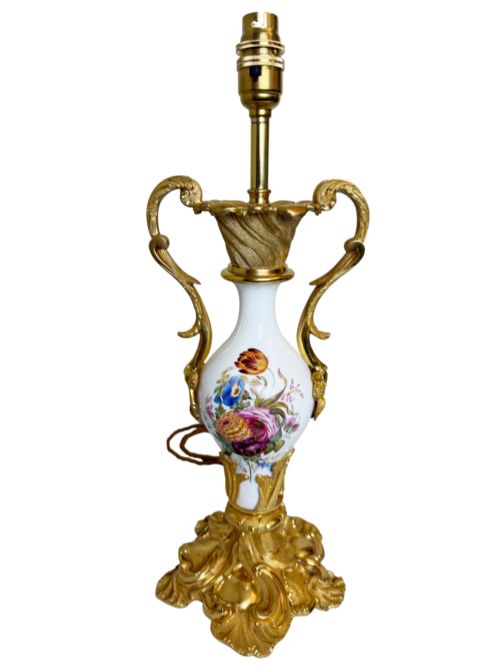
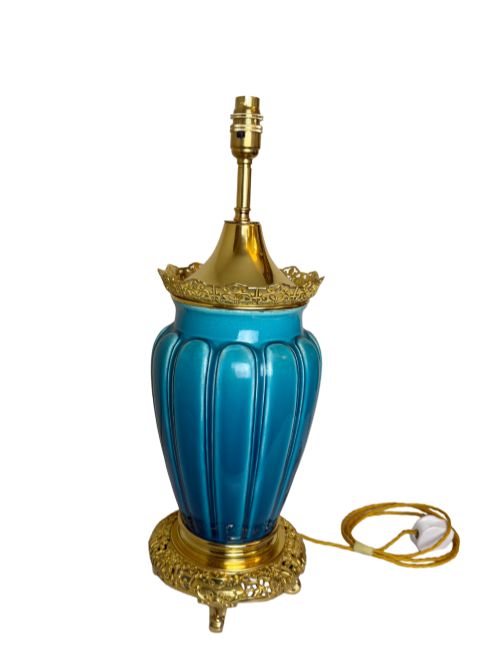
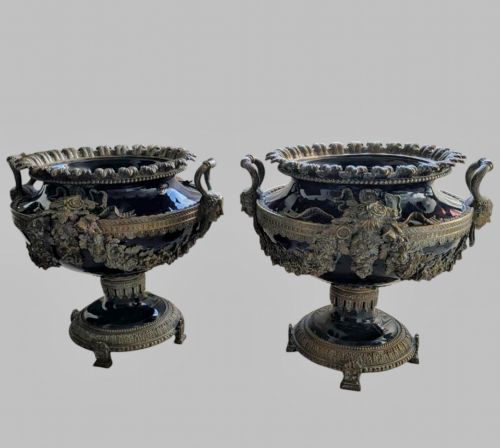
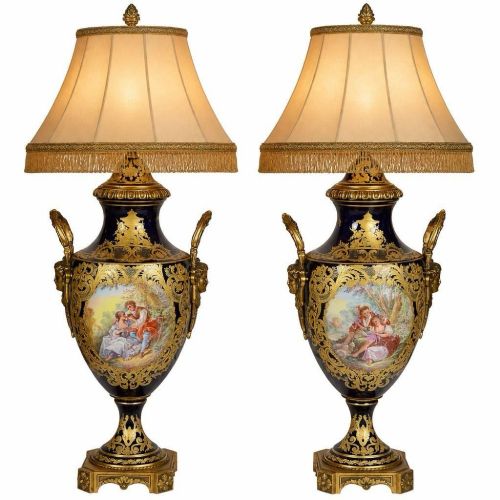
French porcelain urns ormolu combine glazed ceramic bodies with cast gilt bronze mounts for formal nineteenth century display.
French Porcelain Urns Ormolu
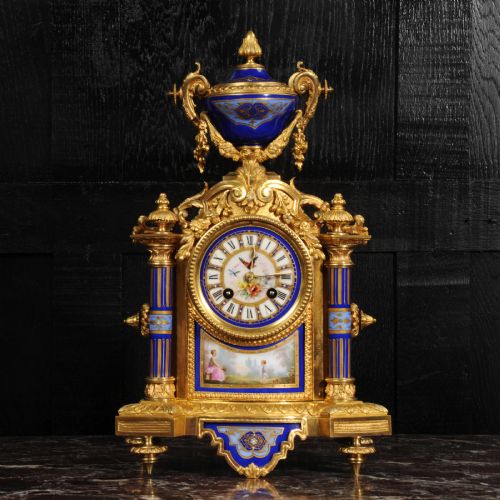
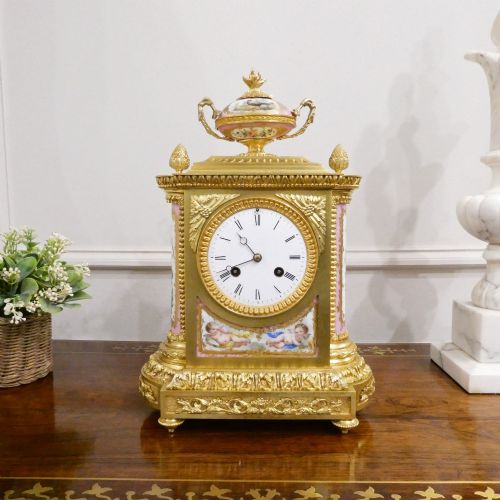
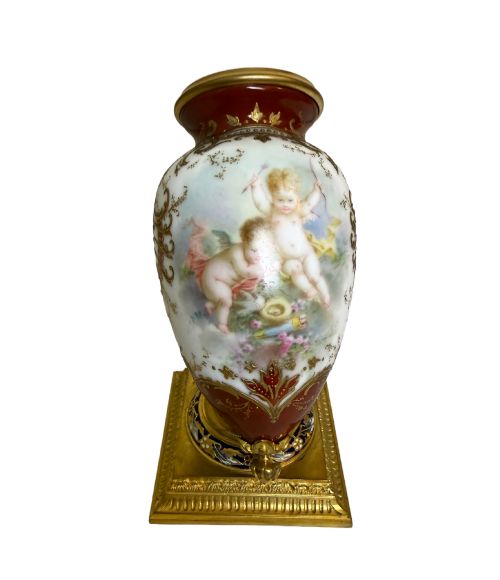
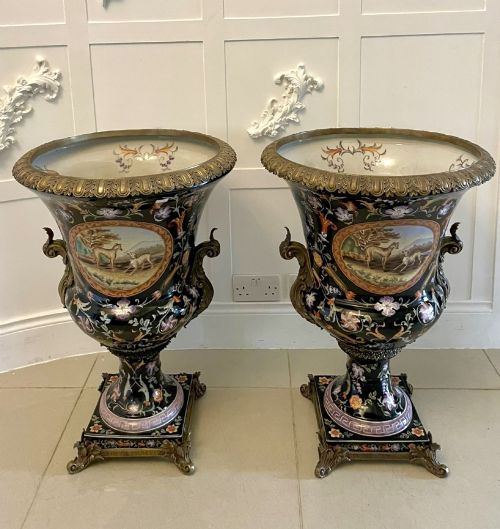
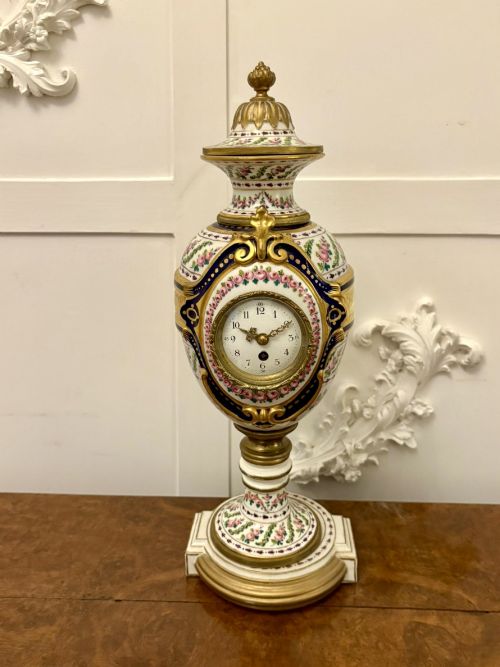
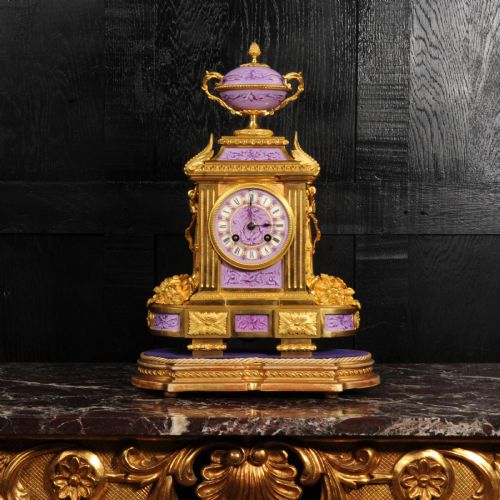
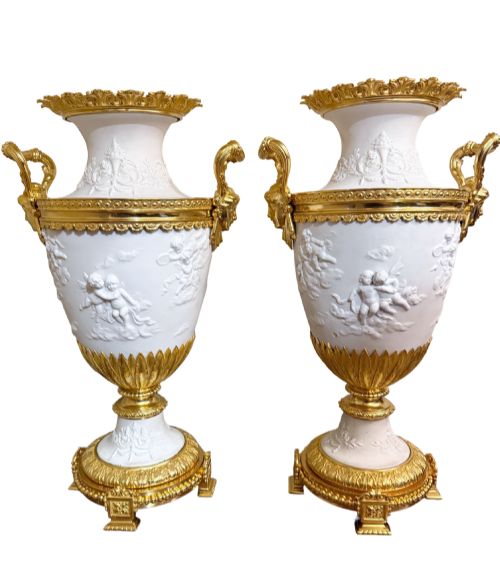
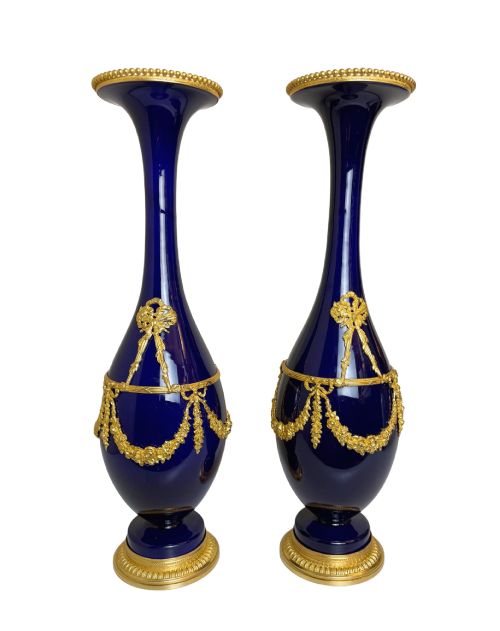
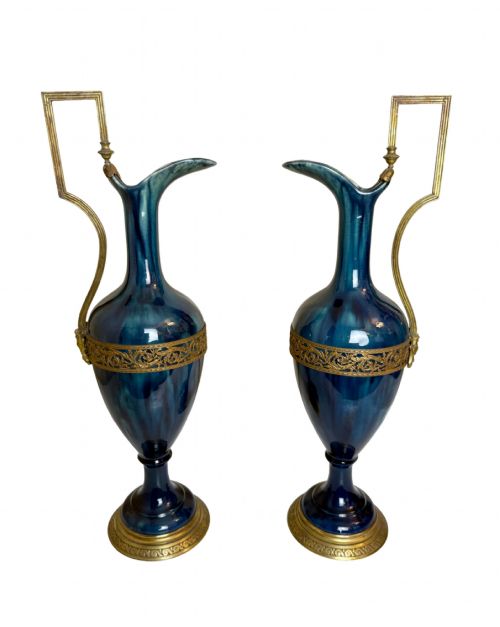
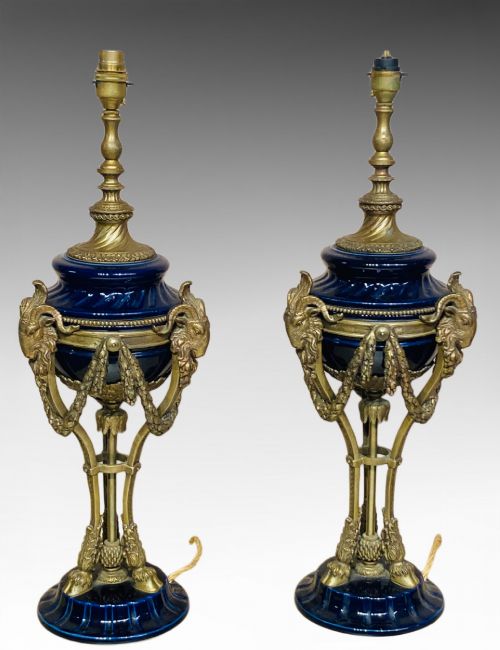
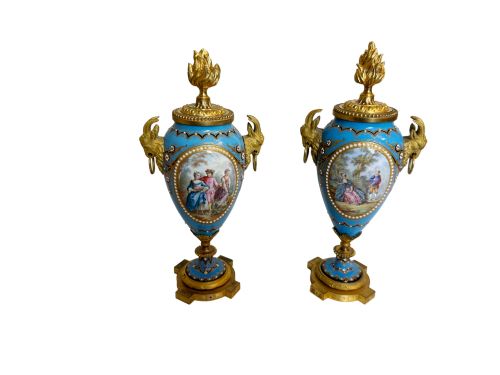
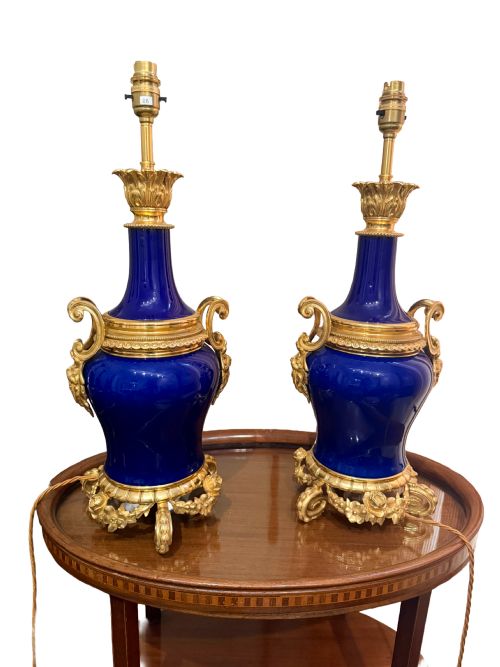
When you search for french porcelain urns ormolu, you encounter decorative vessels, clock garnitures, and table lamps produced primarily during the nineteenth century. These objects merge ceramic bodies with cast metal mounts, drawing on styles such as Louis XVI and French Rococo Revival.
The pieces on this page span the 1860s to the turn of the twentieth century, alongside select eighteenth-century Chinese ceramic bodies fitted with later European mounts. You will find matched pairs of lidded vases, single mantel clocks, and jardinières utilising cobalt, turquoise, and white ceramic glazes.
Makers such as Japy Freres, Jean-Baptiste Delettrez, Achille Brocot, and Vincenti of Paris created these works for grand domestic interiors. Their forms range from small table lamps to monumental lidded vases standing over a metre tall.
Materials and construction
The construction relies on the union of fired ceramic bodies and cast metal mounts, principally ormolu and gilt bronze. Artisans shaped the porcelain through casting and wheel-throwing before applying hand-painted decorative motifs, enamel work, and rich colour glazes.
Mountmakers cast the bronze elements using lost-wax or sand-casting techniques, then chased the surface details by hand. They applied a mercury-gilt finish to the bronze, or utilised modern electroplating methods in later nineteenth-century examples, securing the metal mounts to the porcelain with pins and screws.
Listings feature pieces spanning the 18th, 19th, and 20th centuries, with a strong concentration of 1880s manufacture.
Evaluating quality and execution
The distinction between standard commercial output and exhibition quality lies in the crispness of the bronze chasing and the delicacy of the hand-painted porcelain. Superior pieces display deep, sharply defined relief on the ormolu mounts and finely rendered polychrome scenes on the ceramic bodies.
Proportion and weight also dictate worth, as heavy bronze mounts and symmetrical ceramic throwing denote careful workshop production. Maker signatures stamped on the clock movements or porcelain marks add historical documentary value to the finished ensemble.
Japy Freres·Jean-Baptiste Delettrez·Achille Brocot·Vincenti of Paris
The French Porcelain Urns Ormolu Glossary
- Ormolu
- A gilded bronze surface finish applied to metal mounts using mercury amalgamation or modern electroplating. This technique gives the brassy alloy a rich, golden appearance that resists tarnishing.
- Sèvres
- A famous French porcelain manufactory whose soft-paste and hard-paste styles inspired numerous nineteenth-century revival pieces. Marked ceramics often emulate its distinctive cobalt blue grounds and hand-painted pastoral scenes.
- Cassolette
- A decorative lidded vase or urn featuring a reversible top that functions either as a closed vessel or a candleholder. These dual-purpose items were popular in neoclassical interior schemes.
- Garniture
- A set of three or more matching decorative objects, typically comprising a central clock or large urn flanked by smaller matching vases. They were designed to sit symmetrically upon a mantelpiece.
- Jardinière
- A decorative ceramic or metal container designed to hold potted plants or floral arrangements. They frequently incorporate gilt bronze handles and footed bases.
French Porcelain Urns Ormolu: Frequently Asked Questions
What are French porcelain and ormolu urns?
These decorative objects combine fired ceramic bodies with cast and gilded bronze mounts. They were produced primarily in nineteenth-century France to adorn wealthy domestic interiors.
Many examples take the form of matched lidded vases or form part of larger mantel clock garnitures. Their designs draw heavily on historical Louis XVI and Rococo aesthetics.
How were these urns used originally?
Owners placed these pieces upon mantelpieces, console tables, and pedestals as pure ornaments of status and refinement. Some function as potpourri containers with pierced lids to release dried scents.
Others served as the flanking ornaments in three-piece clock sets, creating a balanced visual display across a room's central hearth.
How do I care for ormolu and porcelain?
Dust the porcelain and bronze surfaces gently with a soft, dry brush to prevent the accumulation of grit. Avoid chemical cleaning agents and abrasive cloths, which can strip the delicate mercury gilding from the bronze mounts.
Keep the items away from direct sunlight and damp environments to protect the hand-painted ceramic glazes and fabric components.
How do I tell different periods apart?
Examine the casting quality of the bronze mounts and the composition of the porcelain bodies. Earlier nineteenth-century pieces often feature heavier hand-chased ormolu and softer enamel colours.
Later Victorian and turn-of-the-century items frequently utilise machine-finished mounts, brighter ceramic glazes, and stamped foundry marks that help narrow down the date of manufacture.