





French Porcelain Lamp
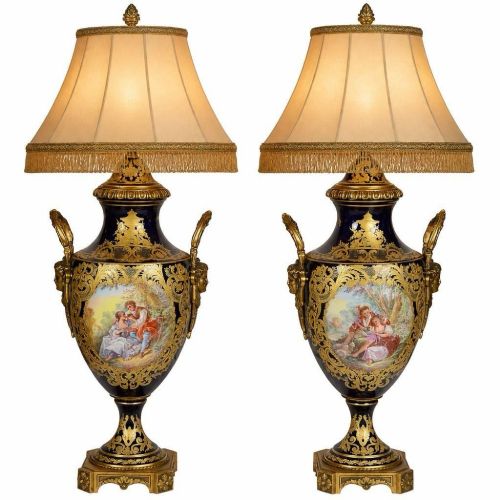
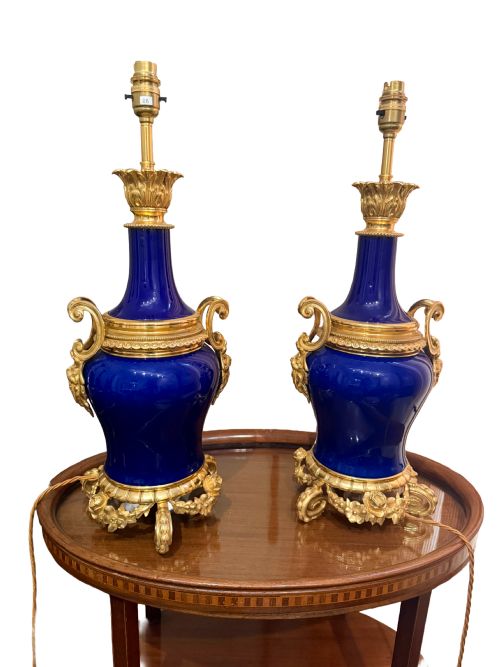
When choosing a french porcelain lamp, you select a decorative piece that combines ceramic bodies with metal mounts from the nineteenth and early twentieth centuries.
French Porcelain Lamp
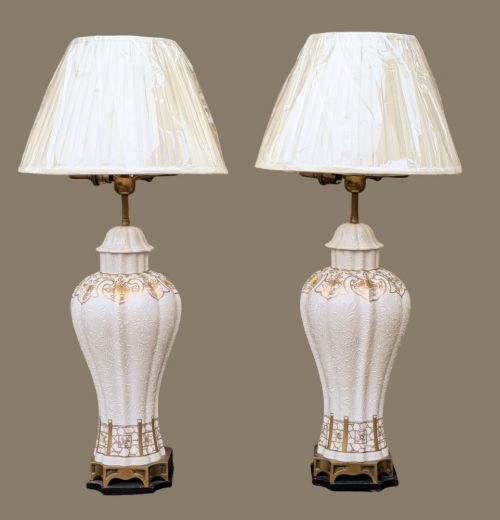
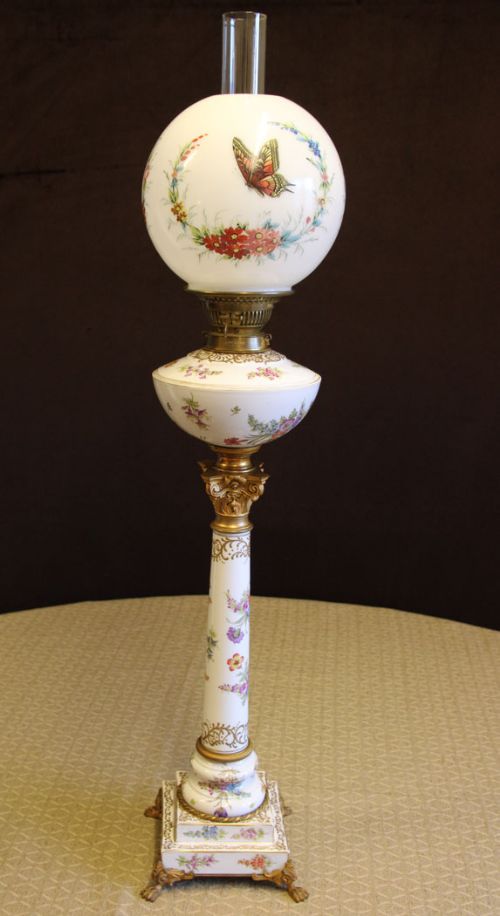
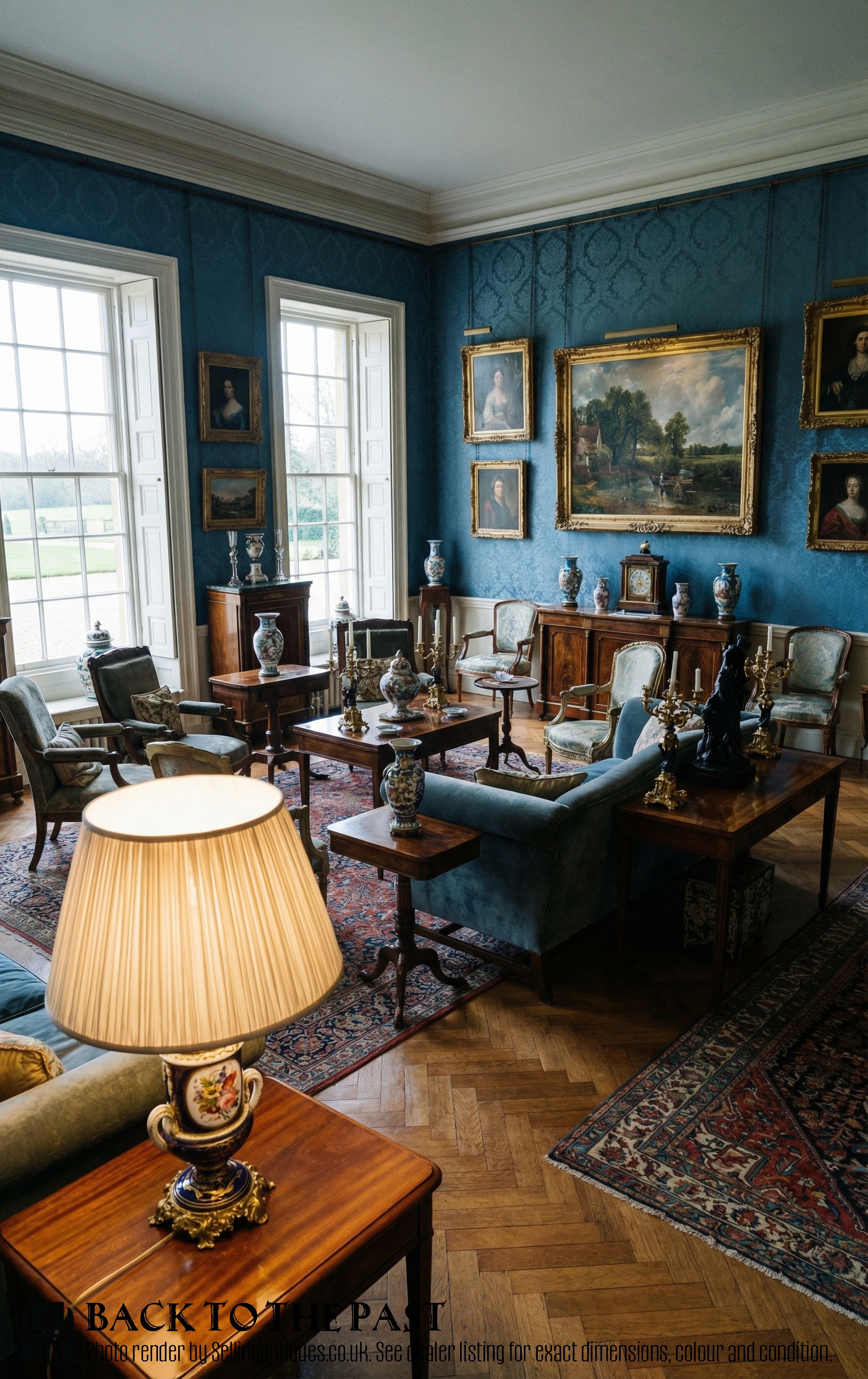
A french porcelain lamp bridges the gap between decorative ceramic art and functional interior lighting, frequently taking the form of converted vases, oil lamps, or dedicated table bases. These pieces emerge predominantly from nineteenth-century production centres, reflecting diverse aesthetic movements from Neoclassical to Art Deco.
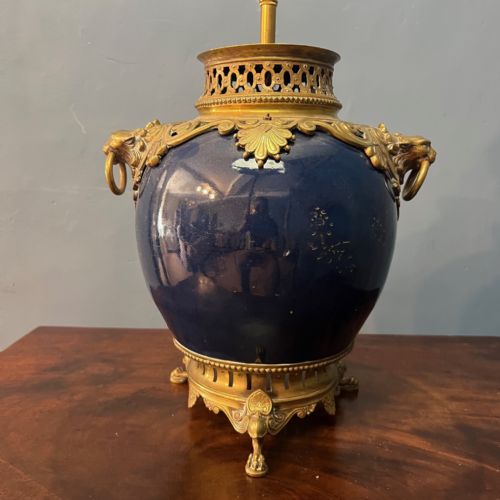
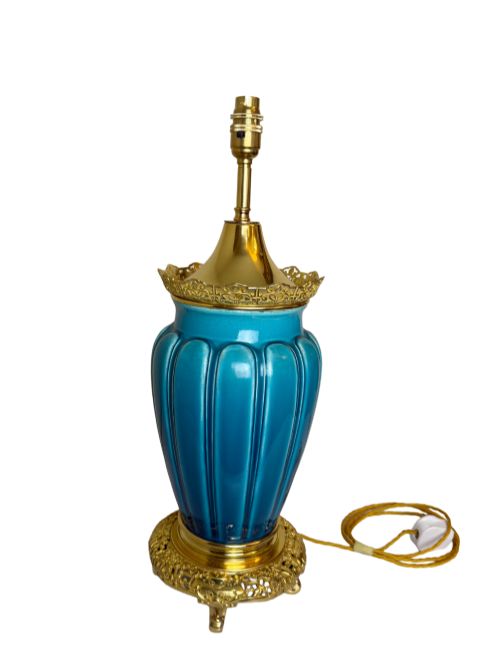
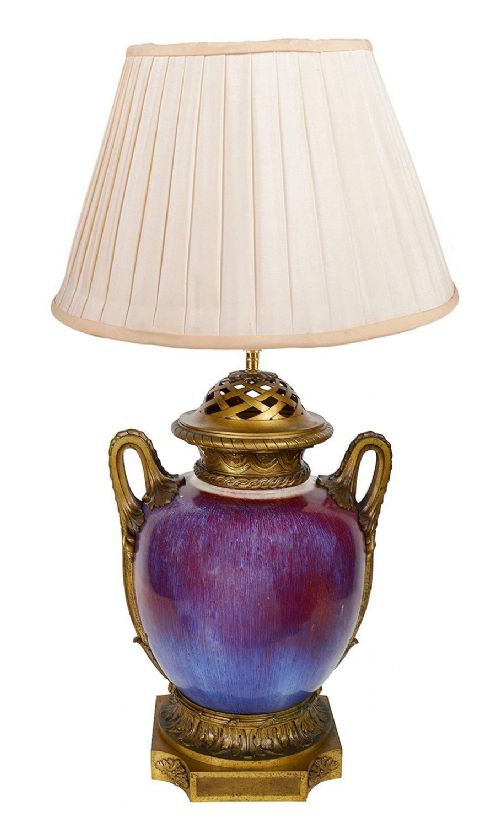
The most common examples encountered on this page pair hand-painted or glazed porcelain bodies in cobalt blue, celadon, or turquoise with cast metal mounts. Many items began life as decorative vessels before conversion into lamps during subsequent decades, retaining their original handles, covers, and decorative motifs.
How They Were Made
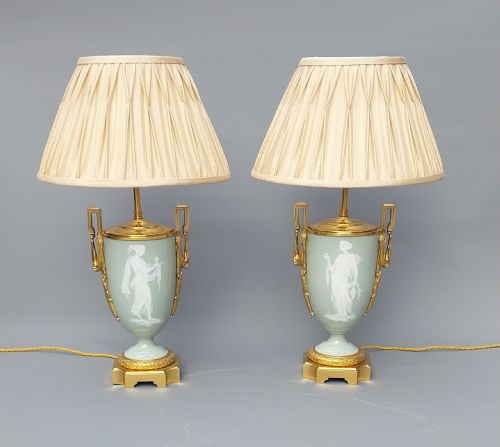
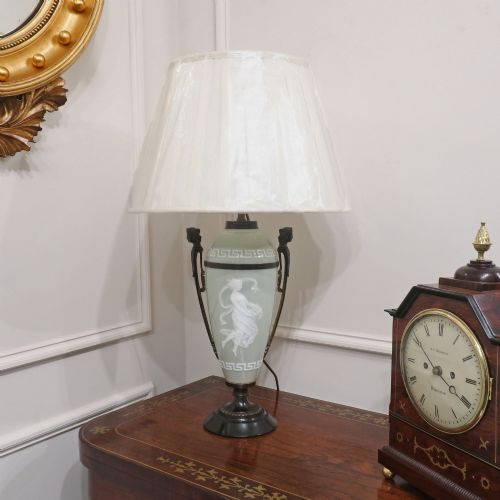
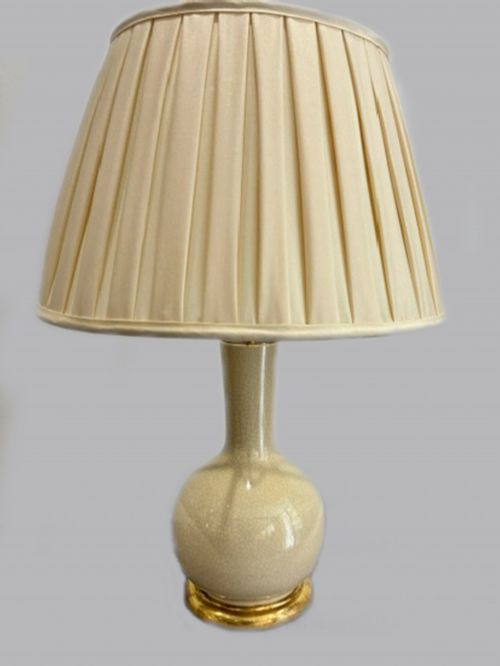
Maker workshops utilised high-fired ceramic bodies, often decorated with hand-painted floral designs, monochrome glazes, or intricate pâte-sur-pâte relief work where layers of liquid slip build up a cameo effect. These porcelain bodies frequently incorporate Chinese export styles, such as Famille Rose or crackle ware, reinterpreted by European potteries.
Metal components such as ormolu, gilt bronze, and brass were cast and chased to secure the porcelain bases, providing structural support and decorative feet, handles, or collars. Silk or fabric shades frequently complete the structure, resting above brass fittings and burners.
French Porcelain Lamp Retail Price Guide 2026
Typical asking prices for french porcelain lamp among the pieces listed under this phrase on Sellingantiques today, from the lower quarter to the upper quarter. They describe what is for sale here now, not the wider market.
Elephant tamer perfume lamps remind us that nineteenth-century rooms were scented as much as they were lit.
What Varies in Quality
The precision and weight of the cast ormolu or gilt bronze mounts distinguish finer examples from standard production, as does the crispness of the chasing on the metal elements. Superior porcelain bodies display meticulous hand-painted detail and depth in coloured glazes rather than flat, uniform surface application.
Integrity of form also dictates distinction, particularly where original ceramic bodies remain unaltered by harsh drilling or where conversions retain matching period mounts designed specifically for the vessel shape.
Argilor Paris·Gien France·Samson Porcelain
The French Porcelain Lamp Glossary
- Ormolu
- Gilded bronze or brass applied to furniture and lighting mounts. This technique provides a bright golden finish that contrasts against coloured porcelain bodies.
- Pâte-sur-pâte
- A ceramic decoration method where successive layers of liquid white porcelain slip are painted onto a contrasting coloured body. This builds up a low relief design with translucent qualities.
- Celadon
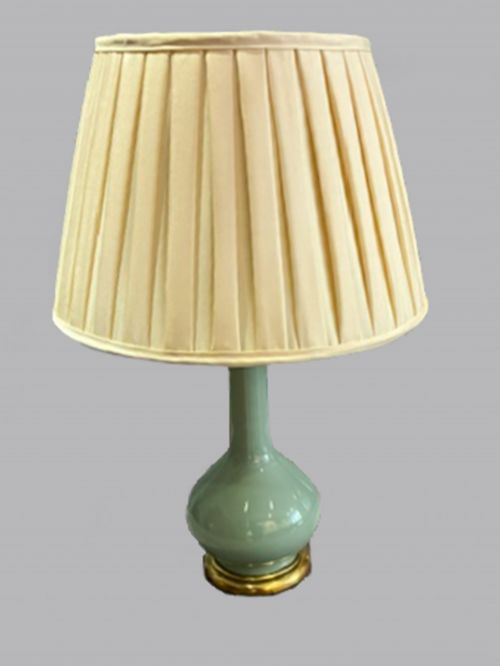
- A pale green jade-like ceramic glaze originating in East Asia and widely emulated in European porcelain production. It offers a subtle, translucent surface tone.
- Chinoiserie
- A European artistic style reflecting Chinese aesthetic influences. Artisans applied these motifs to porcelain vessels and decorative accessories.
French Porcelain Lamp: Frequently Asked Questions
How do I identify a converted vase?
Examine the base and internal wiring channel for evidence of drilling that passed through the original maker mark or central ceramic core. Many nineteenth-century vessels were adapted into lighting fixtures later in their lifespan.
Look for fitted metal collars at the rim and base that secure the electrical components without permanently damaging the underlying glaze.
What is pate sur pate?
Pate-sur-pate is a relief decoration technique where wet porcelain slip is brushed onto a coloured clay body layer by layer. This builds up a cameo-like design that reveals subtle gradations of opacity when held to the light.
Master ceramicists utilised this method to create detailed classical figures and floral motifs on fine nineteenth-century French porcelain.
Are these lamps safe to use today?
Most antique lighting requires professional rewiring and testing to meet modern electrical safety standards before daily domestic use. Qualified electricians can update internal cords while preserving exterior metal and ceramic components.
Ensure that replacement plugs and lamp holders match the voltage requirements of your region without altering historical mountings.
How should I clean the gilt mounts?
Dust ormolu and gilt bronze gently with a dry microfiber cloth to prevent accumulation of particles in the chased recesses. Avoid harsh chemical cleaners or abrasive polishes that strip away the historical surface gilding.
Keep moisture away from any exposed ceramic glaze or painted enamel sections during maintenance.