


French Porcelain Centrepiece
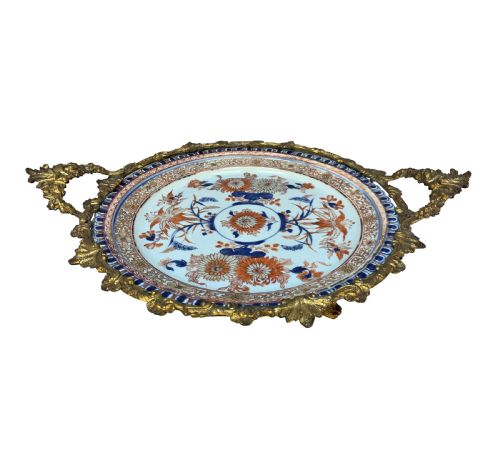
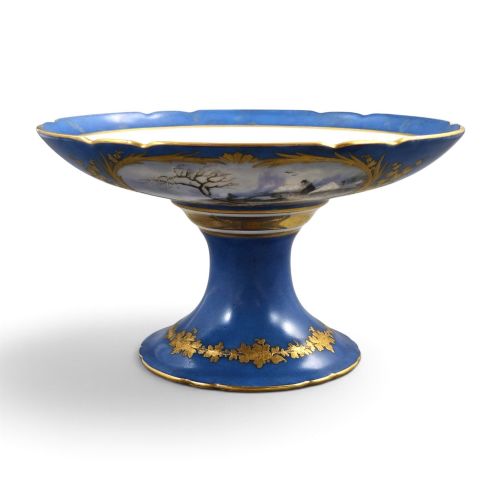
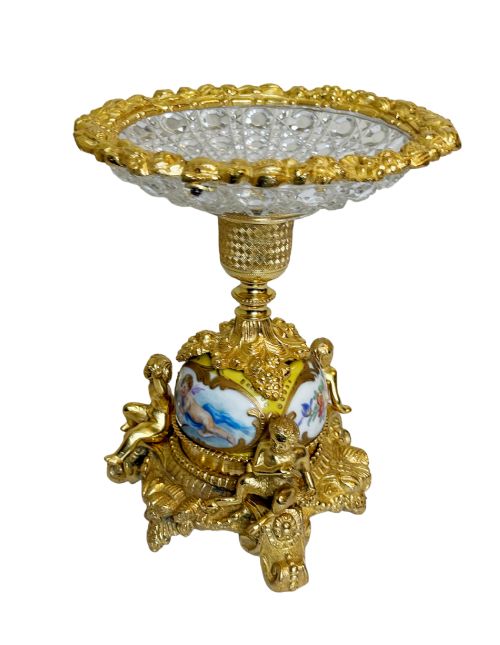
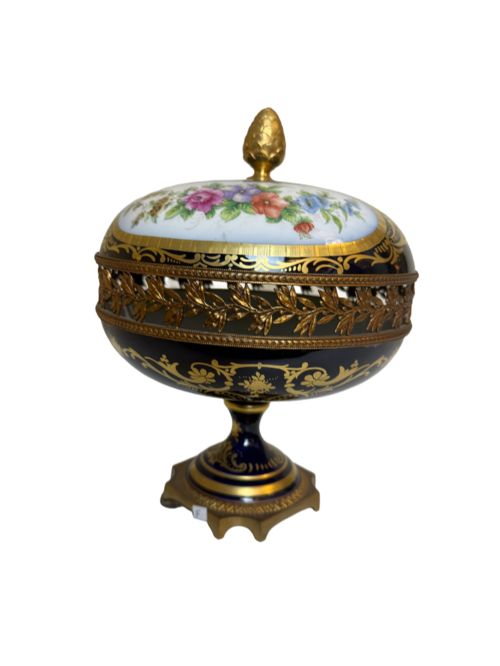
A french porcelain centrepiece brings high-relief glaze, gilt bronze mounts, and sculptural ambition to a dining table or sideboard.
French Porcelain Centrepiece
When you search for a french porcelain centrepiece, you encounter grand table vessels and garnitures designed to anchor formal rooms. The pieces recorded here span from the eighteenth-century Georgian era through the Victorian period and into the early twentieth century.
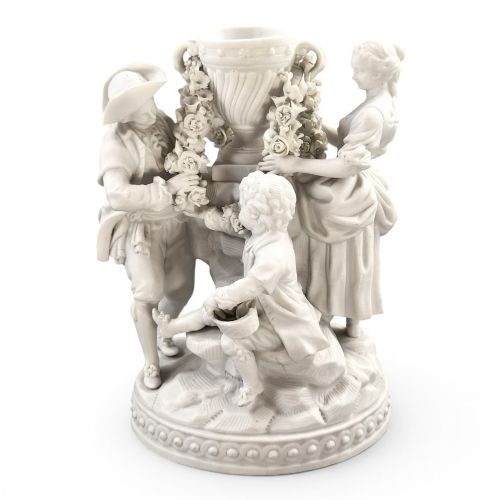
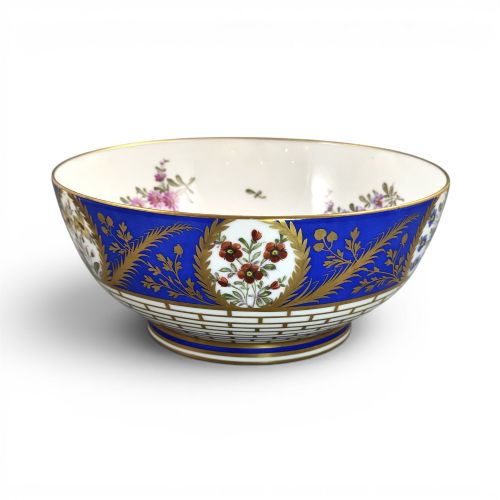
Most examples you meet on this page date to the nineteenth century, taking the form of comports, tazze, footed bowls, and sculptural figure groups. Makers across Paris and provincial workshops produced these decorative vessels, frequently mounting ceramic bodies in cast ormolu.
The decorative vocabulary draws heavily on French Rococo Revival, Chinoiserie, and classical styles. These centrepieces serve as ornamental focal points rather than utilitarian tableware, reflecting the elaborate dining customs of their eras.
Materials and construction
The foundation of each object is hard-paste or soft-paste ceramic, shaped into bowls, dishes, or sculptural figures before receiving coloured glazes and hand-painted enamel details. Workshops employed gold leaf and gilt bronze to accent the rims, handles, and bases of the porcelain bodies.
Metalworkers cast ormolu and gilt bronze mounts to cradle or frame the ceramic elements, securing them with pins or screws. Cut crystal and champlevé enamel occasionally supplement the composition, adding texture and contrast to the glazed surfaces.
Listings span from the mid-eighteenth century through the Art Deco era, encompassing Georgian, Victorian, and later nineteenth-century production.
Distinctions in craftsmanship
The integration of the metal mounts dictates the calibre of the object. Heavier, more intricately chased ormolu mounts indicate higher workshop standards, whereas secondary castings often show softer detail and simpler joining methods.
Edm'e Samson·Samson of Paris·Le Manceau
The French Porcelain Centrepiece Glossary
- Ormolu
- Gilded bronze or brass applied to furniture, clocks, and porcelain mounts. The technique creates a rich golden finish that frames the ceramic body.
- Comport
- A decorative dish or bowl raised on a high foot or pedestal, used historically for serving fruit or sweets at formal meals.
- Champlevé
- An enamelling technique where troughs are dug into metal and filled with vitreous paste before firing. It appears on nineteenth-century mounting hardware.
- Biscuit porcelain
- Unglazed white ceramic with a matte texture resembling marble. It gained popularity for sculptural groups and portrait figures.
- Tazza
- A shallow bowl or cup mounted on a stem and foot. This form derives from classical antiquity and serves primarily decorative functions in later periods.
French Porcelain Centrepiece: Frequently Asked Questions
How were centrepieces used historically?
These large vessels dominated the centre of dining tables during formal nineteenth-century banquets. Hosts filled them with fruit, flowers, or sweetmeats to impress guests.
Between meals, owners moved them to sideboards or console tables as permanent decorative ornaments within the room.
How do I identify a reproduction?
Examine the weight and quality of the gilt bronze mounts alongside the crispness of the ceramic painting. Older pieces show hand-mixed enamel pigments and wear patterns consistent with age on the gilding.
Twentieth-century decorative items often use lighter base metals and transfer-printed patterns rather than hand-painted details.
What is the difference between Severs and Sevres style?
True pieces originated at the royal French manufactory and carry specific factory marks. Many nineteenth-century workshops produced wares in imitation of these royal designs.
Items marked as Sevres style pay homage to the shapes and colour palettes of the famous factory without claiming direct output from the kilns.
How should I clean these pieces?
Dust the porcelain and ormolu gently with a soft, dry brush to prevent accumulation in crevices and painted details. Avoid commercial liquid cleaners or abrasive cloths that can strip the delicate gold leaf.
Keep the items away from direct sunlight to preserve the vibrancy of hand-painted enamels and glazed surfaces.