




French Parlour Cabinet
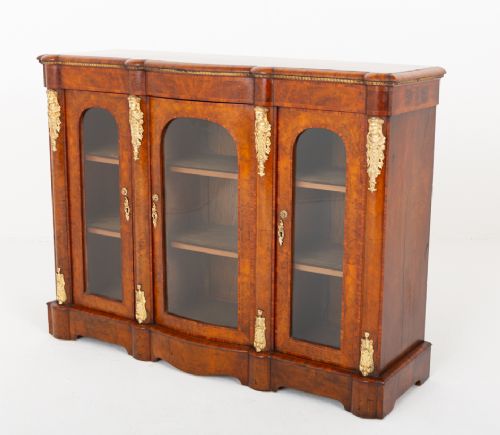
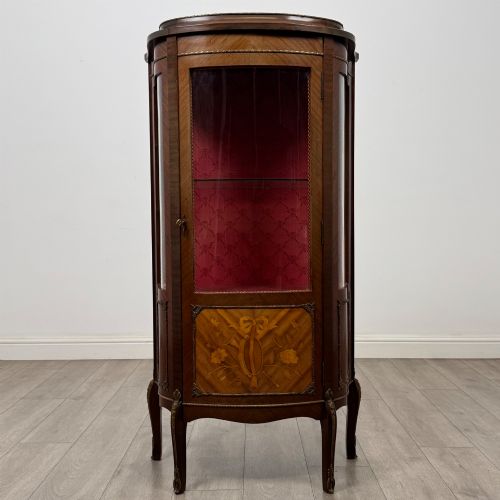
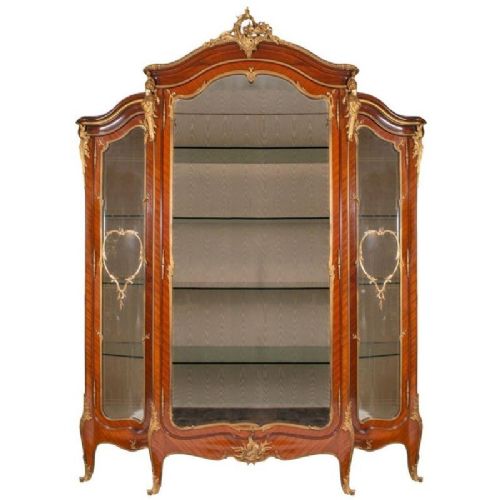
These french parlour cabinet pieces are formal reception room display furniture built to house porcelain, books and decorative objects.
French Parlour Cabinet
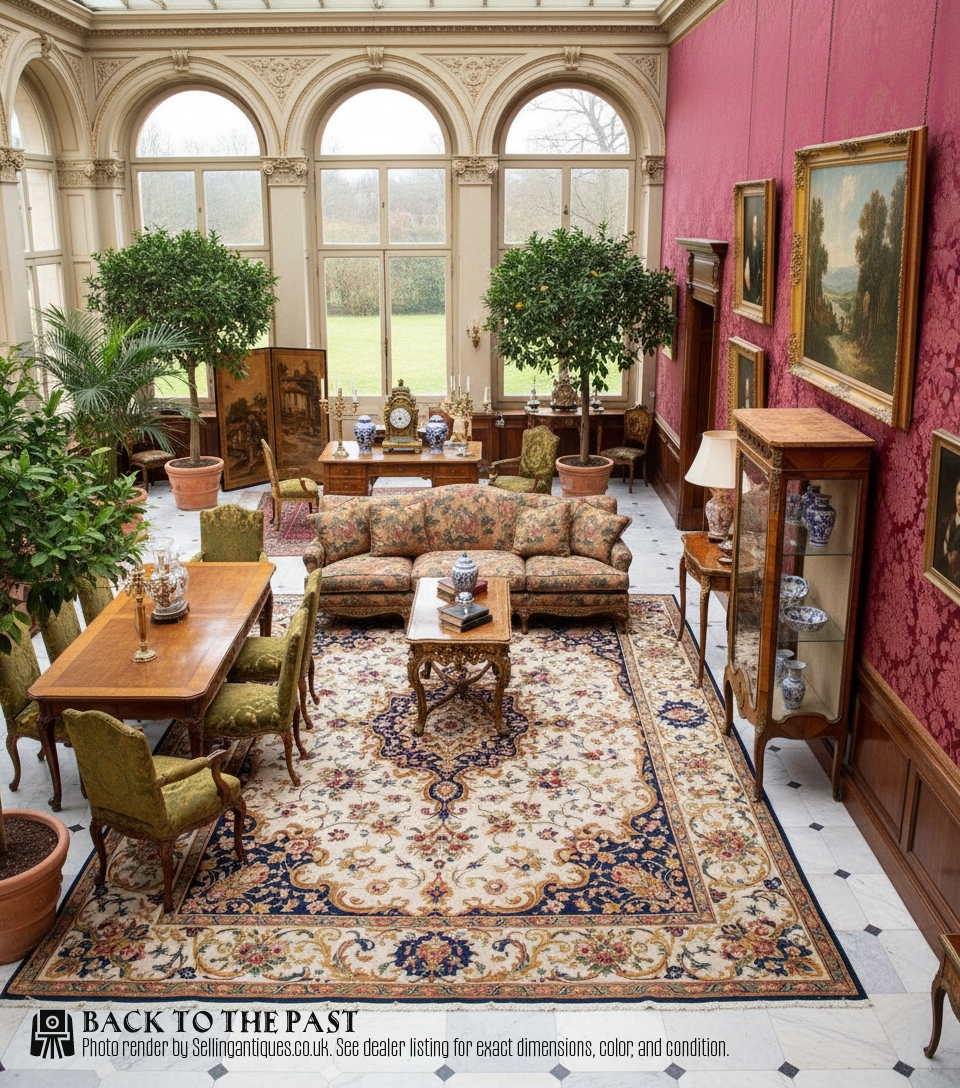
A french parlour cabinet functions as a principal reception room display piece for storing and showing ceramics, glass and books. These items emerge primarily from the nineteenth century, Victorian era and Edwardian period, encompassing forms such as credenzas, side cabinets and vitrines.
The prevailing varieties on this page combine exhibition quality marquetry, ormolu mounts and glazed doors designed for formal drawing rooms and parlours. Pieces span vernacular walnut items to ornate Louis XVI style vitrines finished with Vernis Martin painted panels.
Makers and designers of the period drew heavily on French revival idioms, particularly Louis XV and Louis XVI styles, alongside English interpretations in burr walnut and mahogany. Cabinets range from open-ended credenzas with mirror backs to serpentine four-door formats.
Materials and Construction
Cabinet makers utilised dense hardwood framing in mahogany, walnut and kingwood, frequently overlaying structural timbers with burr walnut and intricate marquetry veneers. Surface enrichment relied upon cast ormolu mounts, glazed panels and hand-painted Vernis Martin lacquer work.
Marble tops feature on specific side and vitrine cabinets, providing a cold, durable surface above carved wooden carcasses. Joinery methods matched the demands of high-status nineteenth-century workshops, integrating curved serpentine fronts and fitted interior shelving.
French Parlour Cabinet Retail Price Guide 2026
Typical asking prices for french parlour cabinet among the pieces listed under this phrase on Sellingantiques today, from the lower quarter to the upper quarter. They describe what is for sale here now, not the wider market.
Listings feature walnut, mahogany and kingwood alongside ormolu mounts, marble tops and painted Vernis Martin panels.
Quality Variations
The distinction between ordinary and superior cabinets rests upon the crispness of the ormolu casting, the depth of the marquetry work and the choice of primary veneers. Exhibition quality pieces demonstrate meticulous hand-finishing across every visible surface, including secondary timbers.
Painted panels and Sevres porcelain plaques introduce another tier of distinction, where the artistry of the painted decoration dictates the standing of the piece. Proportion, timber selection and the integration of curved glass further divide standard workshop output from master production.
Linke
The French Parlour Cabinet Glossary
- Ormolu
- Gilded bronze mounts applied to furniture for decorative effect. These metal ornaments highlight corners, feet and friezes.
- Credenza
- A sideboard or display cabinet originating in Italy and adopted into nineteenth-century formal rooms. They often feature central glazed doors flanked by curved side compartments.
- Vernis Martin
- A simulated Japanese lacquer technique developed in eighteenth-century France and revived later. It involves multiple layers of varnish over painted scenes.
- Marquetry
- Inlaid patterns formed from different coloured wood veneers applied to a carcass. Craftsmen cut precise geometric or floral motifs to ornament drawer fronts and doors.
- Vitrines
- Glass-fronted display cabinets designed specifically to showcase porcelain and curiosities. They protect delicate objects while offering all-round visibility.
French Parlour Cabinet: Frequently Asked Questions
What is a french parlour cabinet?
A french parlour cabinet is a decorative storage and display unit designed for nineteenth-century reception rooms. These pieces typically feature glass doors or open shelving for exhibiting fine objects.
They combine rich timbers like walnut and kingwood with gilt bronze mounts and marquetry inlay. The form encompasses credenzas, vitrines and side cabinets.
How do I date a french parlour cabinet?
Dating relies on examining the secondary timbers, construction methods, hardware and decorative styles present. Pieces from the mid-nineteenth century often display elaborate burr walnut and Ormolu mounts.
Edwardian examples from the twentieth century frequently adopt lighter mahogany frames and refined inlay. Revival periods also leave stylistic clues pointing to specific decades.
Where should I place a cabinet?
These cabinets suit principal reception rooms, living areas or hallways where their display qualities can be appreciated. Keep them away from direct sunlight to protect sensitive wood veneers and painted panels.
Ensure the floor is level, particularly with larger marble-topped credenzas, to prevent door alignment issues. Adequate clearance allows glass doors to open fully without obstruction.
How do I clean the wood and glass?
Dust surfaces regularly with a soft, dry cloth and avoid silicone-based polishes that build up over time. Use gentle wood waxes sparingly to maintain the natural lustre of walnut and mahogany.
Clean glass panels with a mild glass cleaner applied to a cloth rather than sprayed directly onto the surface. This prevents moisture from seeping into vulnerable wooden frames or ormolu mounts.