



French Ornate Planters
French ornate planters are decorative vessels for greenery, bringing continental elegance and classical form into your interior spaces.
French Ornate Planters
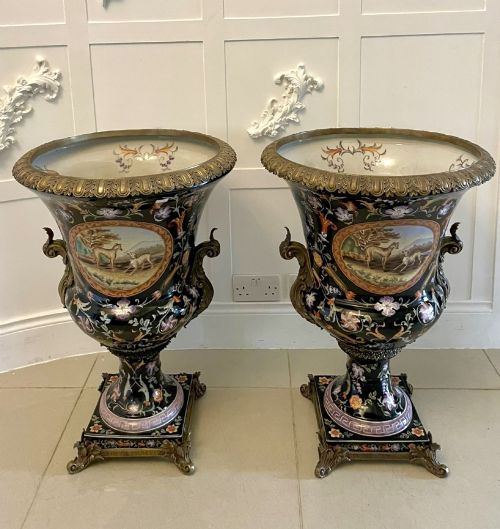
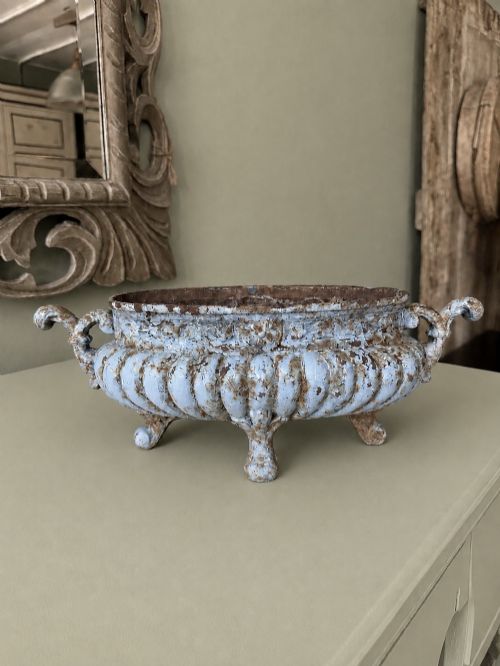
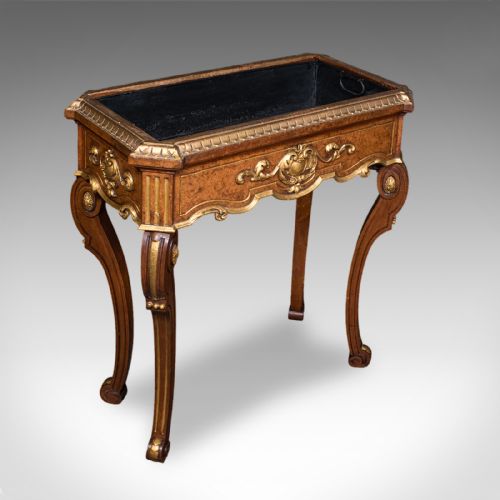
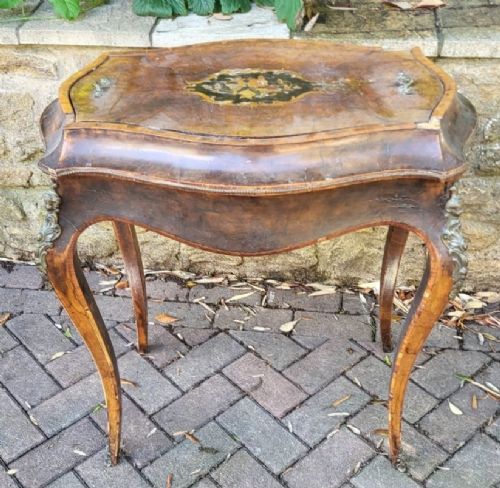
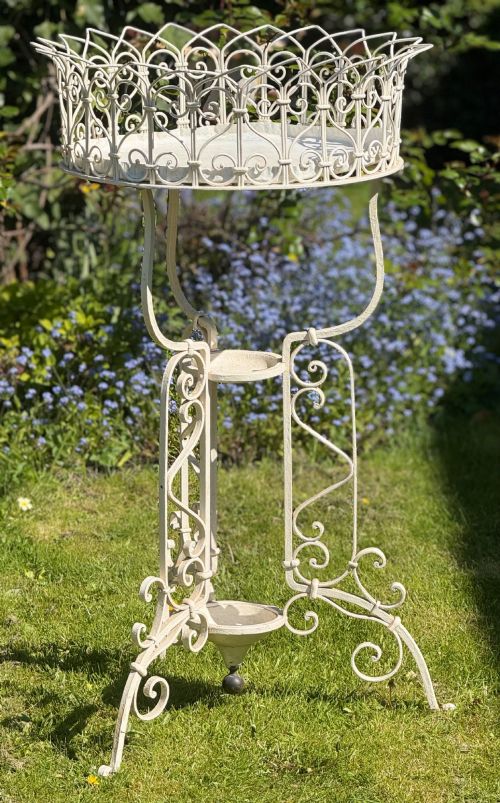
French ornate planters encompass jardinieres, planter stands, and decorative bowls designed to display indoor plants with formal grace. When searching for French ornate planters, you encounter pieces spanning from the eighteenth century through the Victorian era and the Belle Epoque. These vessels appear in diverse forms, from porcelain urns mounted in brass to cast iron garden pieces and elaborate walnut stands.
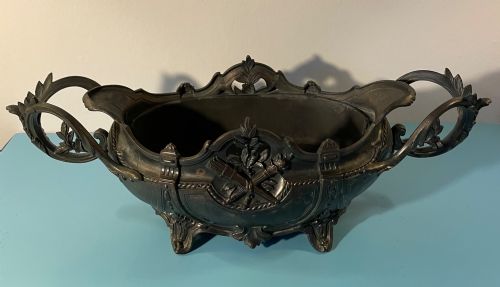
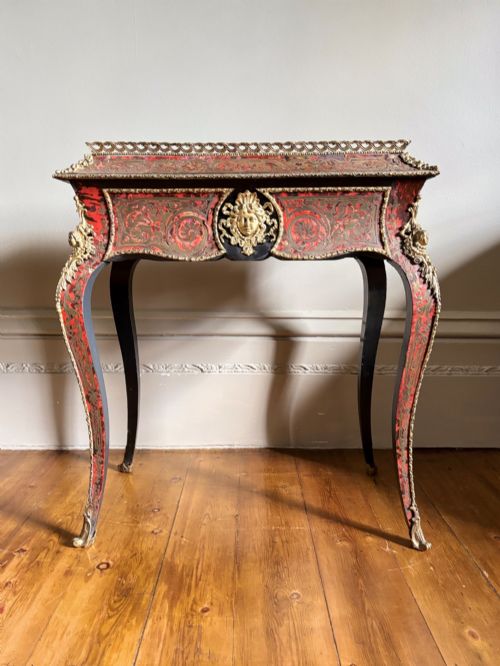
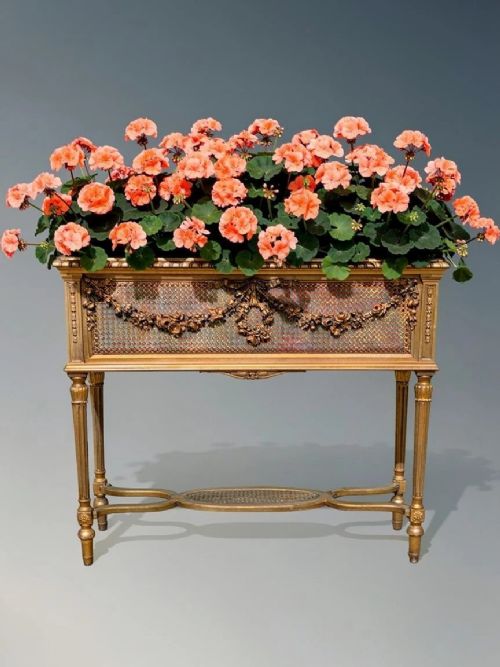
The selection here frequently highlights nineteenth-century examples drawing upon Napoleon III, Rococo Revival, Louis XVI, and Empire styles. You find pedestal plant stands, tabletop jardinieres, and monumental bronze vessels suited for grand rooms. Each piece reflects the decorative ambitions of its period, uniting horticulture with fine craftsmanship.
Materials and construction
Metalwork dominates these pieces, utilising cast iron for garden urns alongside brass, ormolu, and gilt bronze for interior display. Artisans combined metals with porcelain panels, hand-painted ceramic bodies, and cloisonne enamel to create rich surface textures.
Woodworking traditions also play a major role, employing walnut, mahogany, and giltwood often enhanced with marquetry inlay, cane work, and lift-off lids. Crystal glass and alabaster further expand the repertoire of materials used to shape these decorative receptacles.
Listings feature eighteenth to twentieth-century periods, utilising brass, gilt bronze, enamel, cast iron, paint, ormolu, porcelain, and walnut.
Qualities of distinction
Quality reveals itself in the crispness of the casting and the depth of the metal chasing, particularly on ormolu and gilt bronze mounts. Superior pieces display rigorous symmetry and finely articulated decorative motifs rather than soft, commercial detailing.
The integration of materials dictates distinction, such as the precision of porcelain hand-painting or the fidelity of wood veneers and marquetry inlay. Maker attribution and the preservation of original liners or inserts also separate standard decorative items from exceptional examples.
Barbedienne
The French Ornate Planters Glossary
- Jardiniere
- A decorative ornamental pot or stand designed to hold plants or flowers. These vessels form the core of the items found within this category.
- Ormolu
- Gilt bronze ornamentation applied to furniture, clocks, and decorative vessels. This technique involves coating bronze with a finely ground mercury and gold amalgam.
- Cloisonne
- An enamelwork technique where metal wire creates raised compartments on a surface. Coloured glass paste is then packed into these spaces and fired.
- Gadrooned
- Decorated with a carved or cast series of convex curves or rounded moulding. This decorative edge frequently appears around the rims of urns and bowls.
- Boulle
- A form of marquetry utilising tortoiseshell and brass inlay developed during the reign of Louis XIV. Pieces incorporating this technique display intricate metallic patterns against dark backgrounds.
French Ornate Planters: Frequently Asked Questions
What is a jardiniere?
A jardiniere is an ornamental container specifically designed to hold potted plants or floral arrangements. The term derives from the French word for gardener.
These vessels transitioned from outdoor garden ornaments to sophisticated interior furnishings during the nineteenth century. They often feature watertight inserts or liners to protect delicate furniture surfaces.
How were planter stands used?
Planter stands elevated greenery to eye level, allowing trailing plants or floral displays to act as focal points in reception rooms and parlours. They served both horticultural and architectural functions in period interiors.
Many designs incorporated built-in trays or lower shelves to hold gardening tools or additional decorative objects. Some doubled as caddies or specialised display tables.
How do I identify a 19th-century French piece?
Nineteenth-century French pieces typically exhibit specific revival styles such as Napoleon III, Rococo, or Louis XVI. Look for heavy cast bronze, hand-painted porcelain panels, and intricate ormolu mounts.
Makers' marks, foundry stamps, or characteristic construction methods beneath the base or inside the rim often confirm the French origin and period.