




French Opalescent Glass Dish
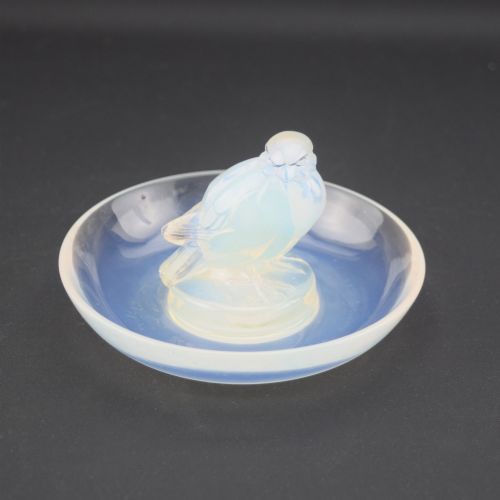
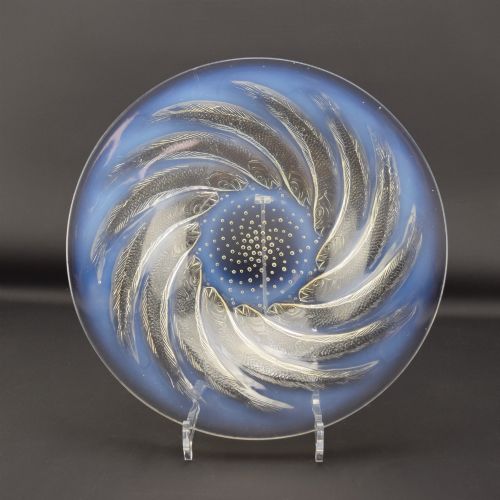
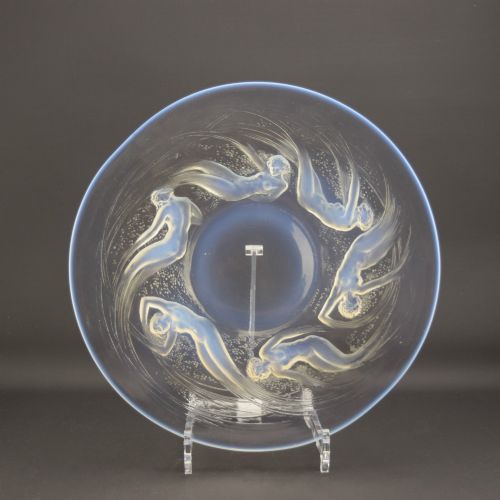
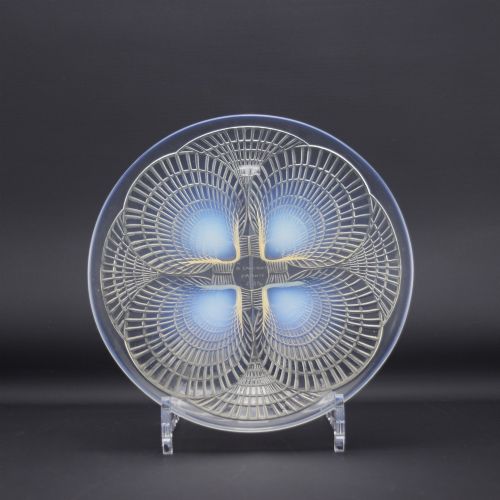
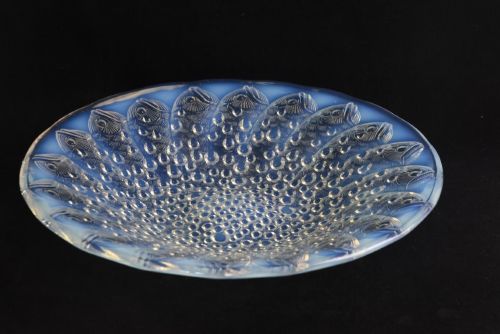
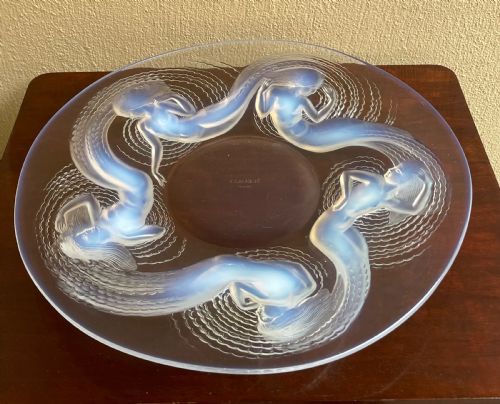
A french opalescent glass dish brings together milky blue highlights and striking Art Deco forms that catch the light from every angle.
French Opalescent Glass Dish
A french opalescent glass dish stands as a defining example of early twentieth century decorative design, appearing predominantly in forms such as shallow bowls, chargers, plates and tazzas. The selection spans the Edwardian era through to the nineteen thirties, capturing the shift towards bold geometric and natural motifs.
Buyers will encounter notable output from makers working during the height of the Art Deco period, with pressed and moulded glass pieces taking centre stage. These vessels served both decorative and functional roles in period interiors, functioning as centrepieces, ashtrays and serving dishes.
The objects combine utility with sculptural qualities, often featuring high relief moulding that emphasises the translucent milk-blue glow characteristic of the medium. Every french opalescent glass dish reflects the artistic ambitions of French glasshouses operating between the nineteen twenties and nineteen thirties.
Materials and production
Makers utilised pressed glass and moulded glass techniques to achieve deep relief decoration, pushing molten material into heavy metal moulds while hot. This process allowed workshops to produce complex floral, animal and abstract patterns with sharp definition.
The opalescent effect relies on chemical additives within the glass batch that scatter light, creating a milky blue tone against transmitted light and an amber or orange glow when lit from the front. Additional textures were introduced through frosting and polishing specific surfaces to create contrast against the translucent body.
Materials recorded across the inventory include opalescent glass, frosted glass, pressed glass, moulded glass, wood and metal.
Factors of quality
Quality rests upon the crispness of the mould and the depth of the relief work, where sharper lines and more pronounced undercuts separate superior examples from softer castings. The density and liveliness of the opalescent fire within the glass also dictate distinction.
The handling of surface finishes, including frosted grounds contrasted with polished highlights, demonstrates the artisan's control over the medium. Pieces that retain strong signatures and clean factory edges hold greater visual weight and historical integrity.
Rene Lalique·G Vallon·Etling·Sabino·Verlys
The French Opalescent Glass Dish Glossary
- Opalescent Glass
- Glass that contains bone ash or other agents to create a milky, semi-translucent appearance with blue highlights in reflected light. This optical property shifts depending on the angle of illumination.
- Moulded Glass
- Glass formed by pressing molten material into a metal or wooden matrix to impart a pattern. It permitted the efficient production of intricate decorative vessels during the interwar period.
- Tazza
- A shallow ornamental bowl raised on a stem and foot. They served as decorative dishes for fruit or confectionery on formal tables.
- Charger
- A large decorative plate used as a base piece or centrepiece display dish. These items measure wider than standard dining plates.
- Frosted Glass
- Glass treated with acid or mechanical abrasion to create a dull, textured surface. This finish provides contrast against clear or opalescent highlights.
French Opalescent Glass Dish: Frequently Asked Questions
How do I clean a french opalescent glass dish?
Wash the item gently in lukewarm water using a mild, non-abrasive liquid soap and a soft cloth. Avoid harsh detergents and submersing vintage pieces for prolonged periods.
Dry the glass thoroughly with a lint-free towel to prevent water spots from clouding the delicate surface and frosted details.
How can I tell a genuine period piece apart?
Examine the base and surface for crispness in the moulded relief, signature placement, and the specific quality of the opalescent blue fire within the glass. Period items from the nineteen twenties and thirties exhibit distinct weight and production characteristics unique to French glasshouses of that era.
Look for maker signatures or moulded numbers that align with documented designs from prominent interwar makers.
What is the best way to display them?
Place the dish where natural light can pass through the body to activate the characteristic milk-blue opalescent glow. Open shelving, cabinets with glass doors or well-lit tabletops allow the sculptural relief to stand out.
Positioning the object away from high-traffic edges ensures the piece remains secure while catching light from multiple angles.