
French Napoleon III Table
When seeking a french napoleon iii table, you step into an opulent nineteenth-century world of rich veneers, gleaming ormolu, and confident revivalism.
French Napoleon III Table
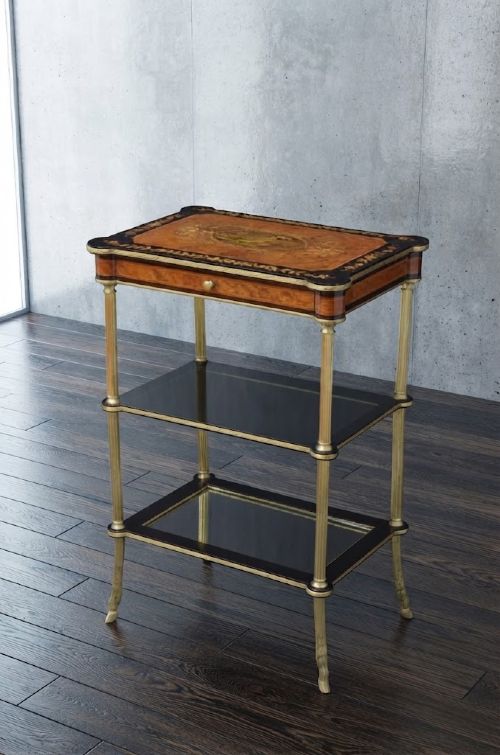
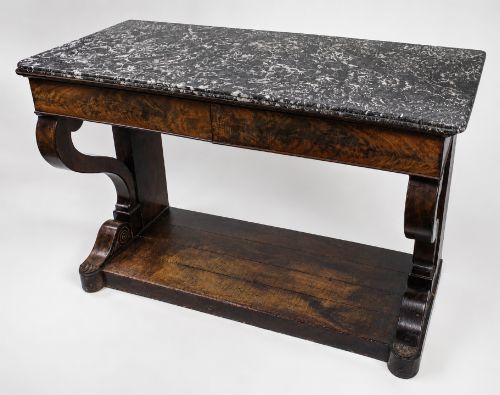
A french napoleon iii table encompasses a versatile range of nineteenth-century occasional pieces, from striking centre tables and inlaid writing desks to tiered étagères and side tables.
The aesthetic draws heavily on earlier royal French tastes like Louis XV and Louis XVI, reinterpreted during the Second Empire with a dense, decorative confidence.
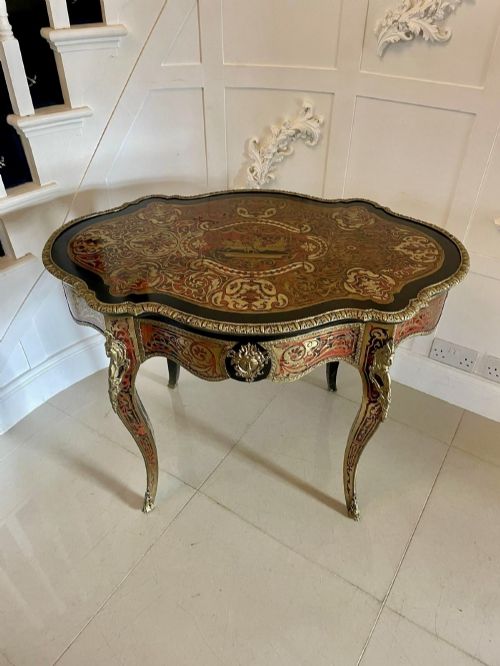
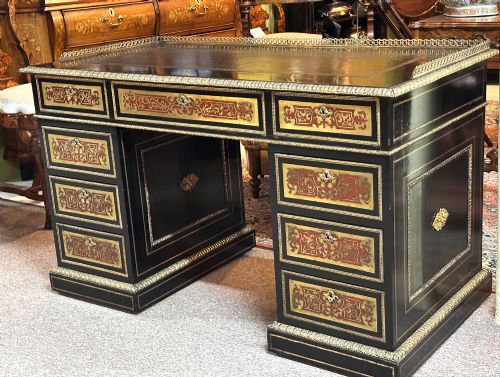
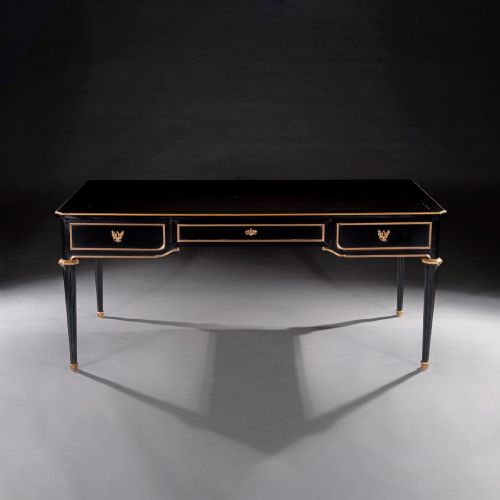
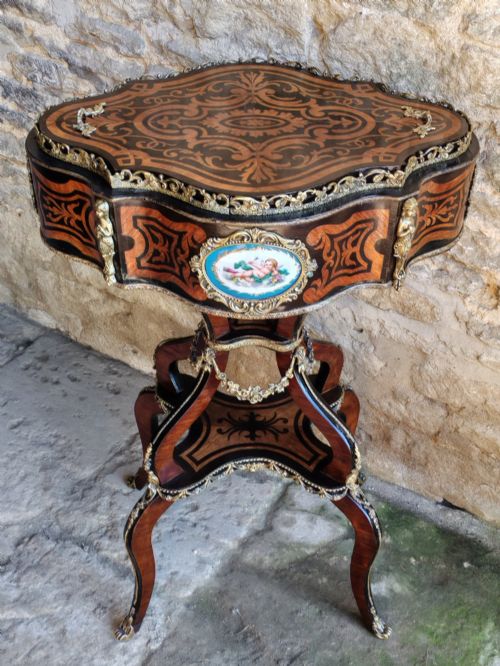
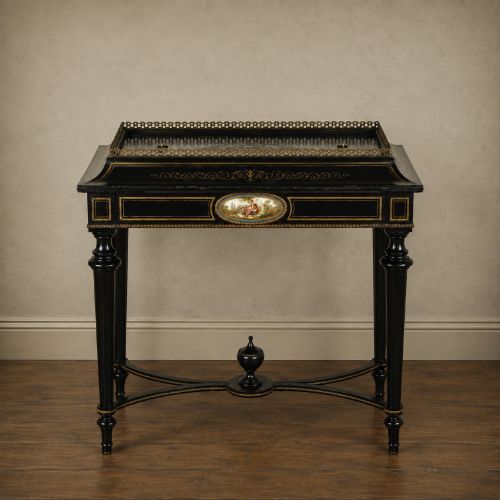
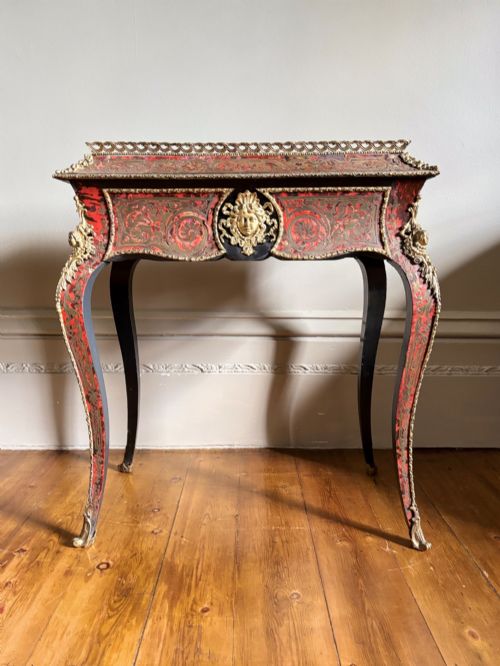
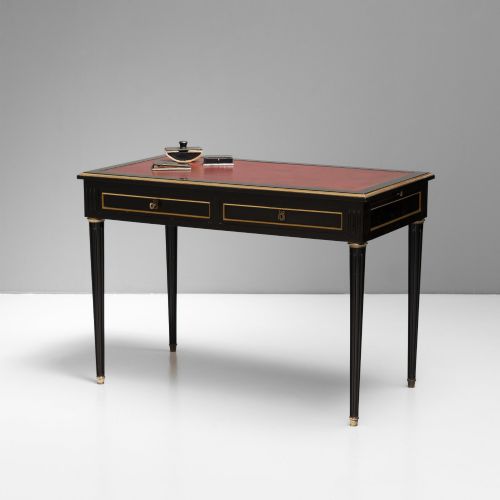
You will frequently encounter forms featuring ebonised woods, intricate marquetry, and distinctive tortoiseshell-and-brass Boulle work designed to command attention in a principal room.
How they were made
Cabinetmakers utilised dense structural timbers such as walnut, mahogany, and rosewood, often applying rich kingwood or amboyna veneers alongside dramatic ebonised finishes.
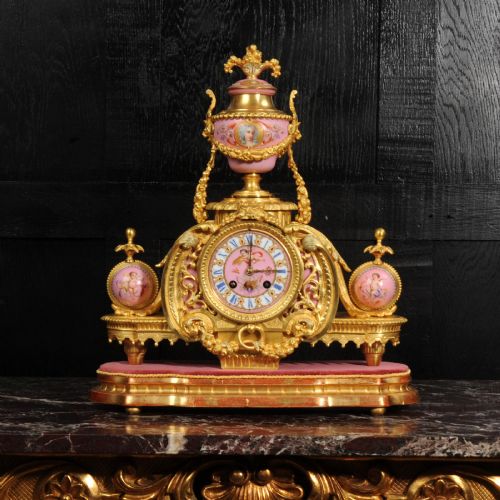
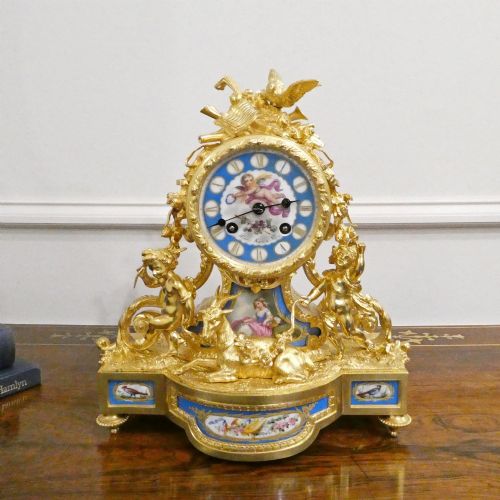
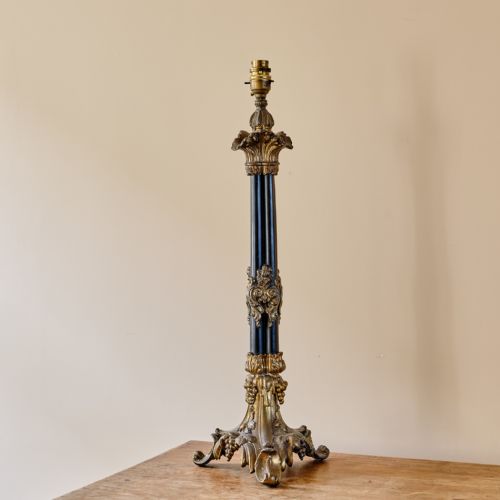
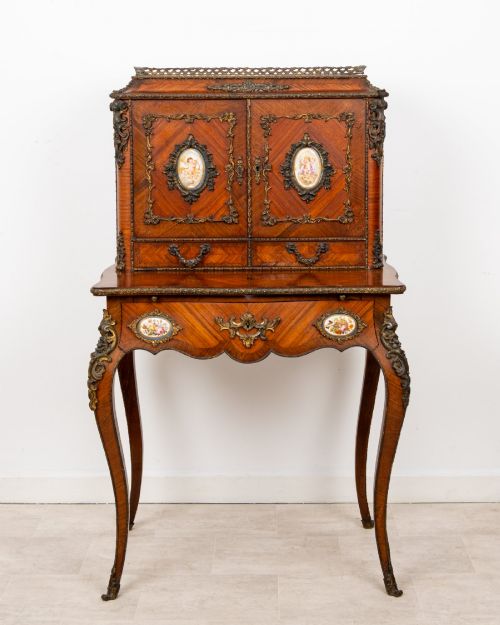
Cast ormolu and gilt bronze mounts were meticulously chased and applied to corners, borders, and legs, adding a brilliant metallic contrast to the dark wood.
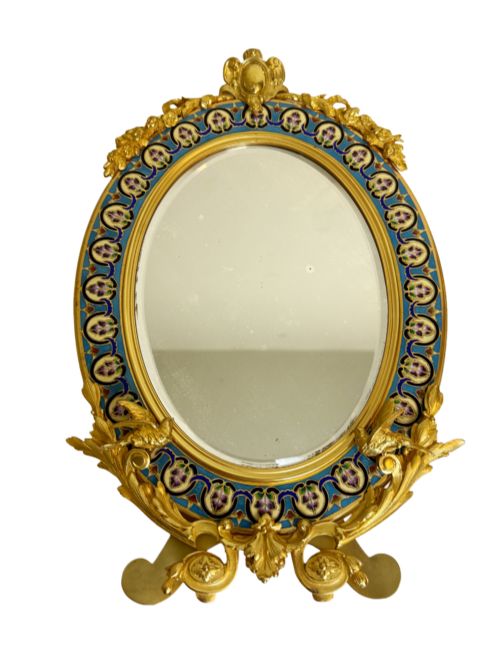
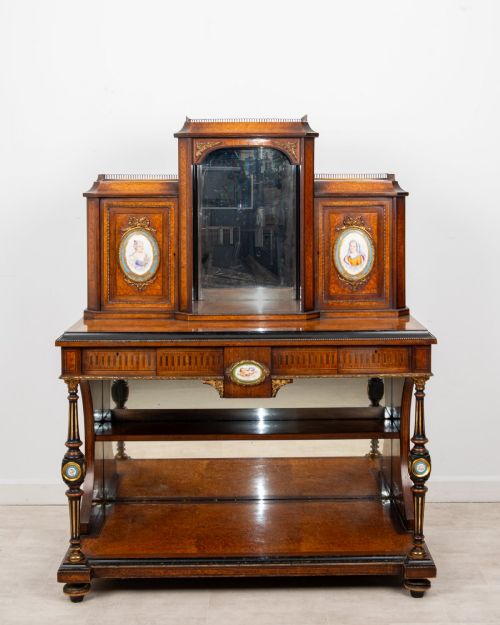
Surface decoration frequently incorporated hand-painted porcelain plaques, champlevé enamel details, or precise tortoiseshell and brass marquetry laid in intricate patterns.
Materials appearing across current items include ormolu, brass, porcelain, kingwood, rosewood, and glass.
What varies in quality
The standard of a french napoleon iii table hinges on the crispness of the cast ormolu mounts and the precision of the underlying marquetry or inlay work.
Finer examples demonstrate exceptional depth in the timber selection and meticulous hand-finishing to painted porcelain panels or intricate brass work, distinguishing them from simpler production pieces.
Achille Brocot·Henry Marc·Etienne Lenoir
The French Napoleon III Table Glossary
- Ormolu
- Gilded bronze applied as decorative mounts to furniture and clocks. This technique was widely utilised during the nineteenth century to highlight structural lines and enrich surfaces.
- Boulle work
- A style of marquetry using thin sheets of brass and tortoiseshell cut together in contrasting patterns. It appears frequently on luxury cabinets and writing desks.
- Bonheur-du-jour
- A light ladies writing desk featuring a small cabinet or set of drawers on the upper surface. These refined pieces often include built-in porcelain plaques and bronze mounts.
- Étagère
- A small open shelving unit or tiered table used for displaying decorative objects. Multiple tiers allow for varied arrangements of porcelain or small bronzes.
- Champlevé
- An enamelling technique where troughs are dug into a metal surface and filled with vitreous enamel before firing. It creates vibrant, colourful patterns on clocks and decorative stands.
French Napoleon III Table: Frequently Asked Questions
What is a French Napoleon III table?
These nineteenth-century furnishings reflect the ornate revival styles favoured during the Second Empire. They combine rich timber frames with metallic mounts and intricate inlay.
Craftsmen drew inspiration from earlier royal French periods, resulting in decorative centre tables, writing desks, and occasional stands built for display.
How were these tables used originally?
Many served as centrepieces in formal drawing rooms, holding clocks, candelabras, or decorative porcelain bowls. Writing tables and bonheur-du-jour desks provided dedicated spaces for correspondence.
Tied tables and étagères functioned primarily to display small collectibles, plants, or precious objects for visiting guests.
How do I style a Napoleon III table today?
An ebonised or inlaid table provides a strong focal point in a modern or traditional interior. Keep the surface styling uncluttered to let the wood grain and brass mounts stand out.
Pair an occasional table with neutral seating to balance the dark finishes and ornate detailing characteristic of the period.
How can I tell a genuine nineteenth-century piece apart?
Examine the construction methods, timber patination, and the weight of the metal mounts. Nineteenth-century examples display hand-cut joinery and traditional finishing materials beneath the surface.
Look for subtle irregularities in hand-chased ormolu and painted porcelain plaques that indicate period craftsmanship rather than later reproduction.