

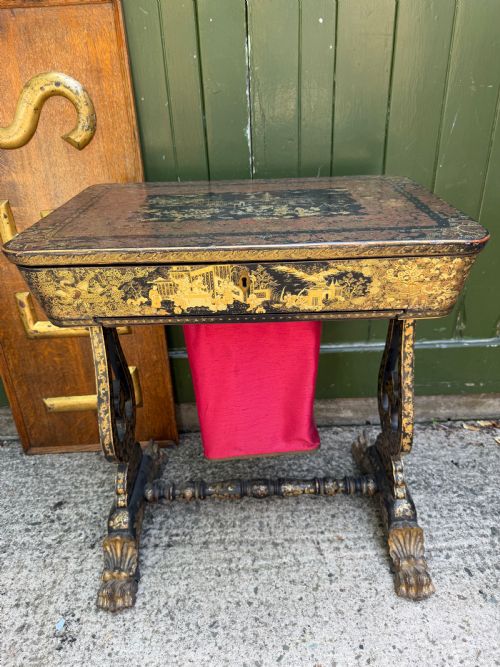


Antique Black Sewing Table
These antique black sewing table pieces combine dark ebonised surfaces with ingenious storage compartments, offering both dramatic visual presence and traditional utility.
Antique Black Sewing Table
When you search for an antique black sewing table, you are examining specialised work tables designed for needlework and domestic crafts during the nineteenth and early twentieth centuries. The examples encountered on this page span the Regency, Victorian, and Edwardian eras, encompassing both British workshop production and Chinese export pieces destined for the Western market.
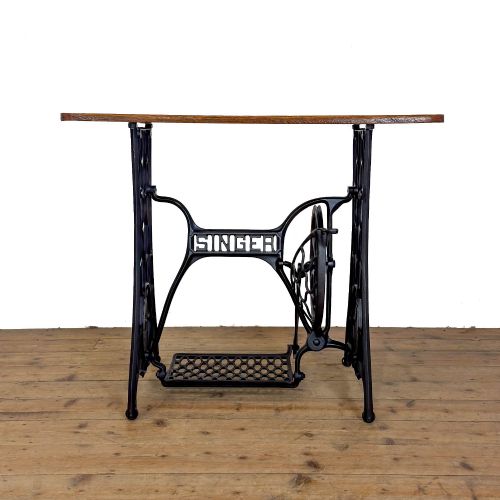
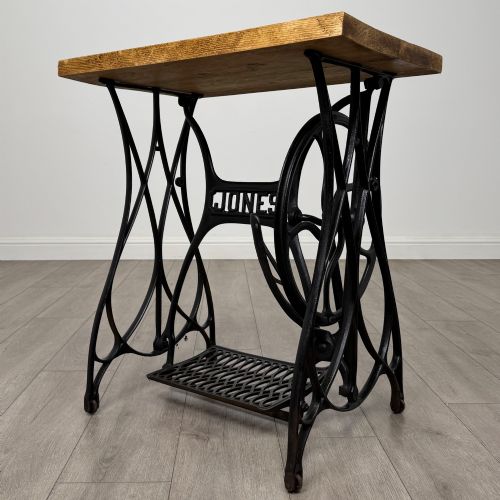
Forms range from sophisticated pedestal occasional tables with fitted interiors to industrial iron frames and lacquer work tables decorated with gilded motifs. You will also discover occasional tables, console tables, and dressing table sewing sets that adapt the core form for varied domestic settings.
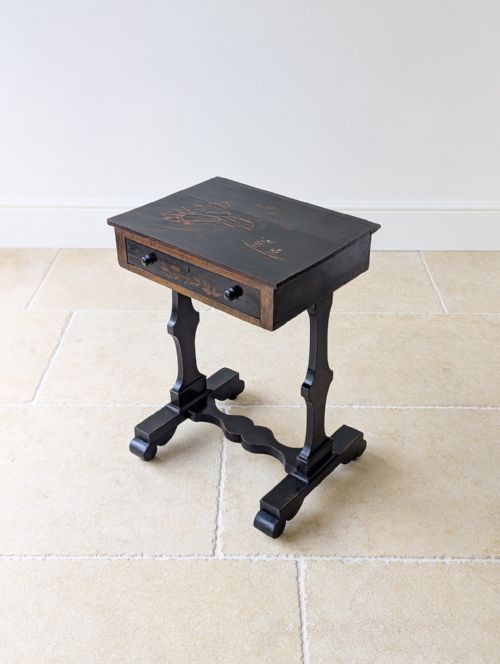
Chinese export examples feature prominently alongside English ebonised designs, showing how cabinetmakers utilised exotic lacquer and detailed painting to satisfy contemporary tastes for exoticism. Whether configured as a traditional work table or adapted into a side table, each piece reflects the meticulous interior arrangements required by nineteenth-century needlewomen.
Construction and materials
Makers utilised solid woods and papier-mâché, applying dense black ebonising finishes or dark lacquers to achieve the characteristic sombre yet striking appearance. Surfaces frequently incorporate gilded decoration, painted Chinoiserie scenes, and delicate boxwood stringing to articulate the contours of the timber.
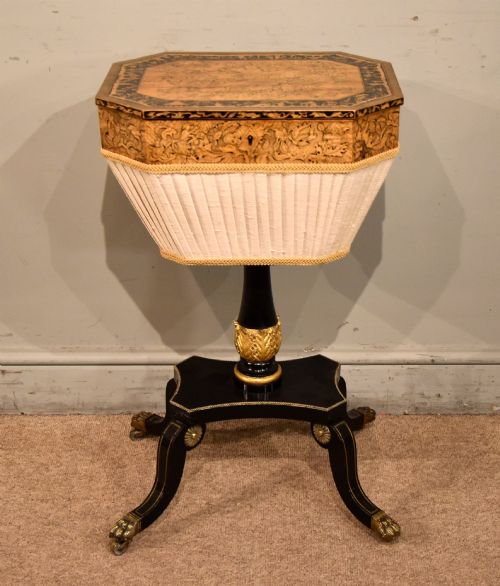
Structural integrity relies on traditional joinery combined with functional elements such as cast iron frames in industrial variants or brass fittings on Regency pedestals. Interiors are fitted with lidded compartments, small drawers, and silk catch bags designed to contain sewing implements and haberdashery.
Antique Black Sewing Table Retail Price Guide 2026
Typical asking prices for black sewing table among the pieces listed under this phrase on Sellingantiques today, from the lower quarter to the upper quarter. They describe what is for sale here now, not the wider market.
Beneath many nineteenth-century work table lids hide miniature velvet-lined compartments once destined to keep stray pins from escaping into the parlour.
Assessing craftsmanship and condition
Quality in an antique black sewing table is judged by the crispness of the gilded decoration, the stability of the ebonised surface, and the complexity of the interior fittings. Superior pieces retain their original internal compartments and delicate painted details without extensive overpainting.
The sophistication of the timber preparation and the fidelity of the period style - whether Regency grandness or Chinese export intricacy - distinguish finer artisan output from more utilitarian workshop production.
The Antique Black Sewing Table Glossary
- Ebonised Wood
- Timber treated with stain or pigment to imitate expensive ebony. This finish became especially popular during the Victorian period for achieving a formal, dark aesthetic.
- Chinoiserie
- European interpretations of Chinese artistic motifs and techniques. These painted designs feature prominently on export lacquer work tables from the nineteenth century.
- Work Table
- A specialised piece of furniture featuring internal compartments for storing sewing materials and needlework. They often include a suspended fabric bag underneath for wool and scraps.
- Penwork
- A decorative technique utilising India ink drawn onto a prepared wooden surface to create fine, engraving-like illustrations. It appears on select Regency period examples.
- Haberdashery
- Small items used in sewing and tailoring, such as pins, threads, and buttons. In listing terms, it denotes items or boxes associated with these contents.
Antique Black Sewing Table: Frequently Asked Questions
What is an antique black sewing table used for?
These tables were originally built for holding threads, needles, and ongoing needlework projects in the nineteenth-century parlour. The fitted interior compartments kept small tools organised while the work was set aside.
Today, they function well as compact side tables or decorative occasional pieces in living spaces, offering discreet storage for small household items.
How do I identify a Regency sewing table?
Regency examples typically display classical proportions, delicate pedestal bases, and refined materials like brass inlay or penwork decoration. They reflect the neoclassical tastes of the early nineteenth century.
Later Victorian versions often feature heavier ebonising, more elaborate painted ornamentation, or distinct industrial iron components depending on their specific workshop origin.
What are Chinese export work tables?
These are tables manufactured in China during the nineteenth century specifically for export to Western markets. They are characterised by black and gold lacquer finishes and intricate painted scenes.
Such pieces combine traditional Chinese lacquer techniques with European furniture forms, resulting in highly decorative work tables with elaborate fitted interiors.
Can I use a work table as a bedside table?
The compact dimensions and partitioned top drawers make these tables suitable for use beside a bed. The enclosed storage holds nighttime essentials neatly out of sight.
Care should be taken to protect the ebonised or lacquered surfaces from moisture and direct heat by using appropriate mats or coasters.