



French Metal Coffee Table
These French metal coffee table examples span the nineteenth century to the mid-twentieth century, offering distinctive styles for everyday living.
French Metal Coffee Table
A French metal coffee table combines utilitarian structure with decorative refinement, originating from periods such as the nineteenth century, nineteen-twenties, and nineteen-thirties. Buyers searching for a French metal coffee table encounter a variety of forms, including low garden tables, nest of four tables, side tables, and occasional pieces adapted for modern interiors.
The aesthetic vocabulary encompasses French provincial, French country, Art Deco, Belle Epoque, Neoclassical, and Hollywood Regency styles. Many pieces integrate secondary forms like trunks and chests or lamp tables.
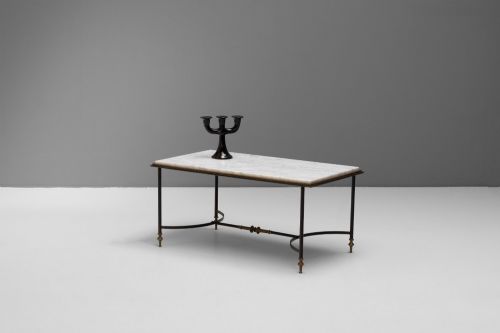
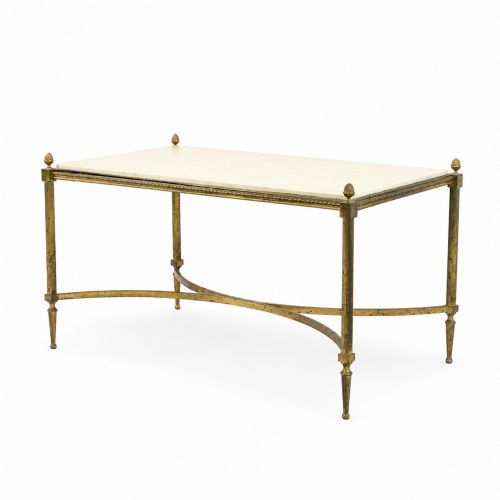
Wrought iron and brass dominate the construction, frequently paired with marble, glass, onyx, or wood surfaces. The most common survivals on this page reflect the robust metalworking traditions of early-twentieth-century French workshops.
Materials and construction methods
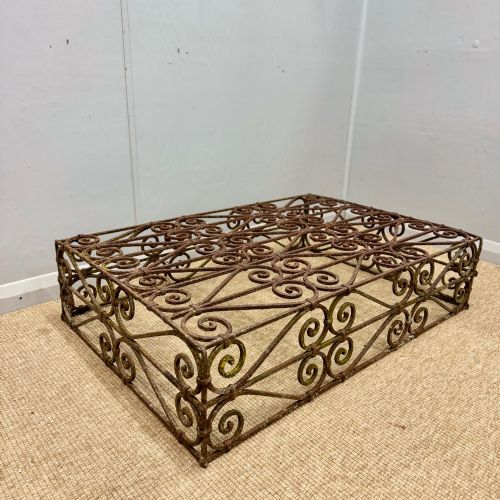
Wrought iron and brass provide the primary structural frameworks, shaped through traditional blacksmithing and foundry techniques. These metals are frequently combined with carved wood or faux bamboo elements to achieve specific stylistic effects.
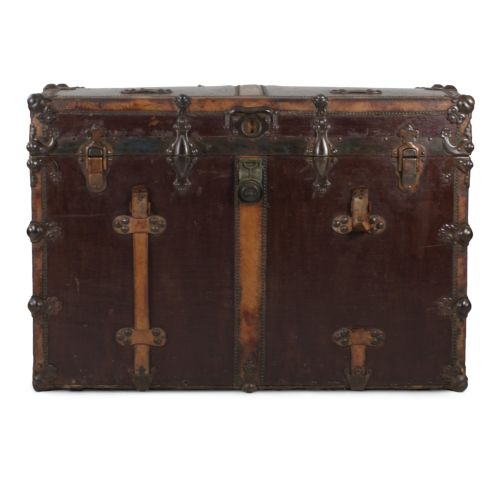
Surface tops utilise heavy white or black marble, polished onyx, plate glass, and leather or metal-bound trunk construction. The juxtaposition of cold stone or glass against warm brass and forged iron defines the fabrication of these tables.
One particularly industrious trunk has traded its travel duties for a quiet retirement supporting coffee cups.
Assessing craftsmanship and design
Quality rests in the precision of the metalwork, whether through the fluid scrollwork of wrought iron or the crisp casting details of brass mounts. Superior examples demonstrate meticulous joinery and substantial weight, distinguishing them from lighter decorative productions.
The choice and integration of top materials further separate the range. Original marble slabs, thick bevelled glass, and intact leather bindings elevate a piece above standard utilitarian counterparts.
Masion Ramsay
The French Metal Coffee Table Glossary
- Art Deco
- A design style prevalent in the nineteen-twenties and nineteen-thirties characterised by geometric symmetry and streamlined metal forms. It replaced the organic curves of earlier decorative movements.
- Wrought iron
- Iron heated and hammered into shape by hand, known for its fibrous texture and tensile strength. It forms the structural base of many garden and interior tables.
- Neoclassical
- A revival style drawing inspiration from classical antiquity, often featuring restrained brass detailing and symmetrical proportions. It persists across nineteenth- and twentieth-century furnishings.
- Faux bamboo
- Wood or metal carved and painted to imitate natural bamboo stalks. This decorative motif enjoyed popularity during the nineteenth century.
- Belle Epoque
- A period of French cultural and artistic confidence spanning the late nineteenth century to the First World War. It fostered ornate decorative arts and luxurious interior metalwork.
French Metal Coffee Table: Frequently Asked Questions
What styles define these tables?
The selection encompasses Art Deco, French provincial, Neoclassical, Belle Epoque, and Hollywood Regency aesthetics. These stylistic variations reflect shifts in French design across the nineteenth and twentieth centuries.
Buyers find everything from austere wrought iron garden tables to polished brass and marble drawing-room pieces.
How were these tables used originally?
Many served as low occasional tables, garden furniture, or lamp stands in formal reception rooms. Some utilise trunk forms originally designed for travel and storage.
Today, their proportions make them suitable for modern sitting rooms as central coffee tables or side surfaces.
What materials should I expect?
Construction relies heavily on wrought iron, brass, and gilt metal frames. These metals support heavy tops made from white marble, black marble, onyx, glass, or leather.
Occasional pieces also incorporate wood or faux bamboo elements to vary the surface texture.
How do I date these pieces?
Dating relies on stylistic markers such as geometric Art Deco lines versus nineteenth-century faux bamboo or Neoclassical revival motifs. Material combinations and construction techniques provide further chronological clues.
Pieces range from nineteenth-century trunks to nineteen-forties nests of tables.