

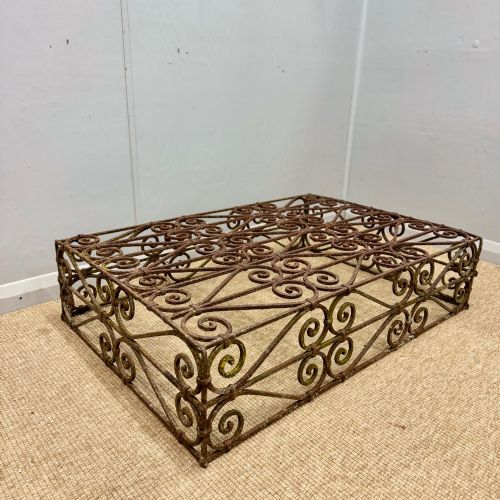


Outdoor Wrought Iron Table
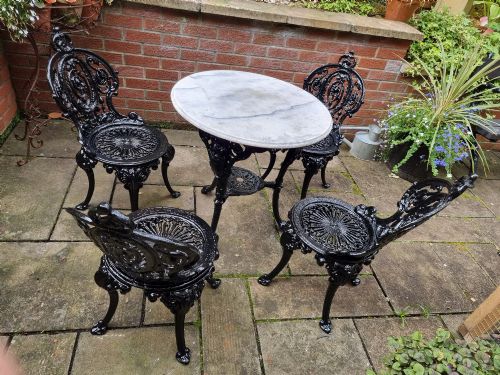
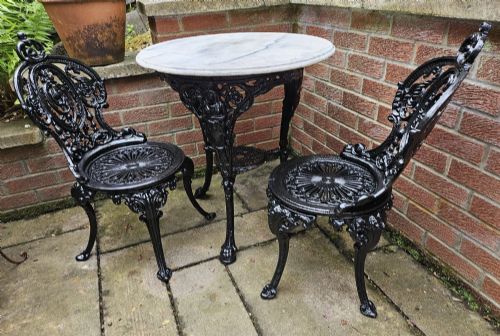
These outdoor wrought iron table examples range from French bistro settings to Victorian wirework pieces, built for gardens and terraces.
Outdoor Wrought Iron Table
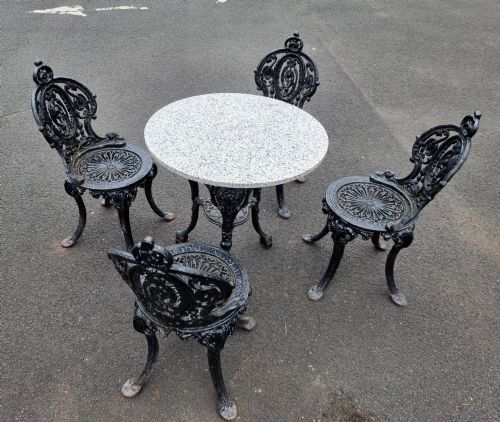
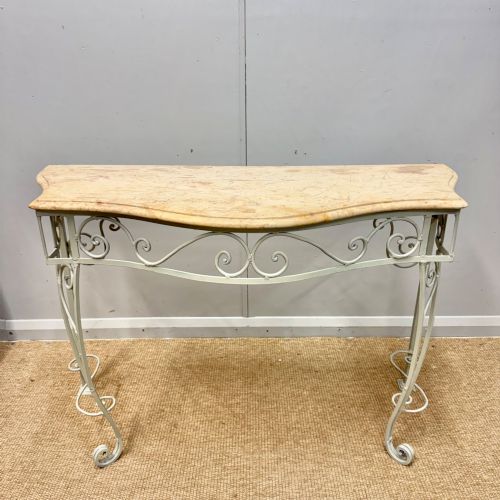
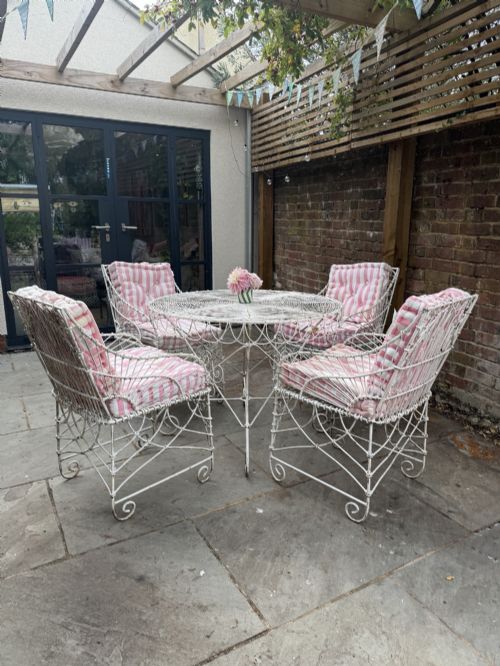
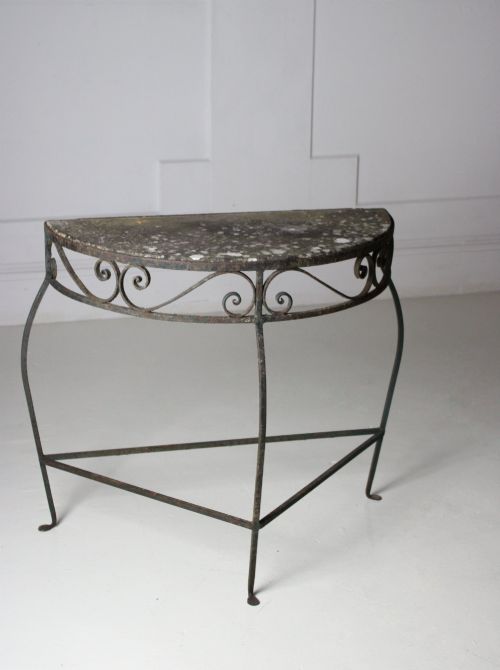
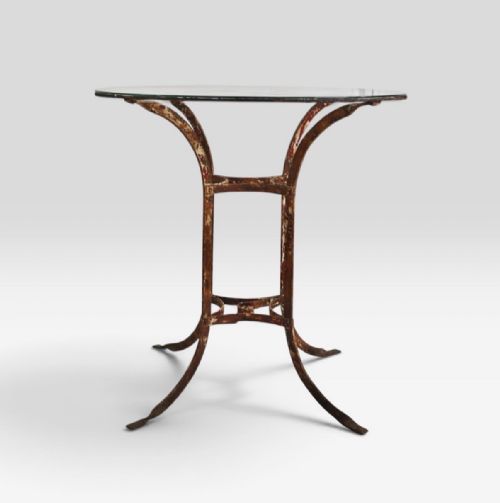
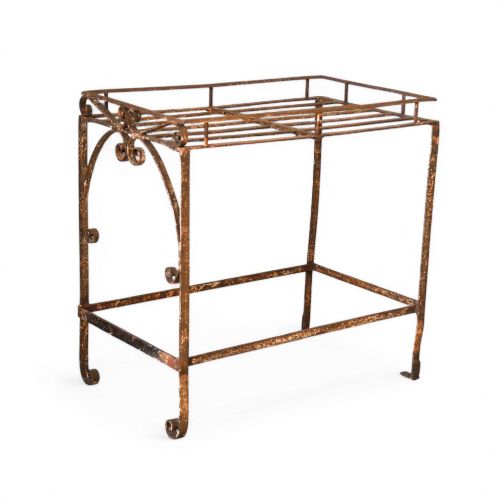
An outdoor wrought iron table covers a practical mix of garden furniture designed for exterior use. You encounter various forms here, ranging from small bistro sets and folding tables to large garden dining sets and console tables.
The selection draws on multiple eras and aesthetics, including Victorian, Edwardian, Art Deco, and French Provincial designs. Pieces span the nineteenth and twentieth centuries, incorporating regional styles from French country to Spanish mosaic work.
Buyers look for these tables to furnish patios, conservatories, and gardens with functional metalwork. The forms vary from low coffee tables and plant stands to heavy dining tables paired with matching chairs.
How they were made
Construction relies heavily on durable metals, specifically wrought iron, cast iron, and steel. Blacksmiths and factories shaped these materials into structural frames, scrollwork, and folding mechanisms.
Surface details and tops incorporate contrasting materials such as marble, granite, zinc, paint, and wood. Some examples utilise intricate wirework or strapp work techniques to create patterned tabletops and shelves.
Listings feature items from the nineteenth and twentieth centuries, including Victorian, Edwardian, and Art Deco periods.
What varies in quality
The calibre of an outdoor wrought iron table depends on the weight and handling of the metal. Heavier cast and wrought elements show greater structural integrity than lighter commercial reproductions.
The choice of top material elevates the piece, particularly where fitted marble or zinc surfaces are integrated. Refinement in decorative details and the crispness of nineteenth-century French or Victorian wirework also distinguish finer items.
The Outdoor Wrought Iron Table Glossary
- Wrought iron
- A tough, malleable form of iron that can be heated and hammered into decorative scrolls and structural supports. It forms the primary framework for many garden and conservatory tables.
- Cast iron
- Iron poured into a mould while molten to create rigid, highly ornate components. It is commonly found in heavy nineteenth-century garden table bases and chair frames.
- Wirework
- Metal strands bent and woven into geometric or botanical patterns. This technique appears on Victorian garden tables and plant stands.
- Strapp work
- Flat metal strips riveted or joined in decorative strap-like patterns. It provides a sturdy yet open design for tabletops.
- Bistro set
- A small table accompanied by two or four matching chairs intended for compact outdoor dining spaces. These sets frequently feature folding designs for easy storage.
Outdoor Wrought Iron Table: Frequently Asked Questions
Can I leave my table outside all winter?
Most metal garden furniture withstands outdoor conditions, but protecting vulnerable surfaces preserves the finish.
Moving pieces into a conservatory or using a cover during harsh weather prevents unnecessary weathering.
How do I clean a marble top?
Wash the marble surface gently with warm water and a mild, non-abrasive soap.
Avoid harsh chemical cleaners that can etch or dull the polished stone over time.
Are folding chairs original to the tables?
Many sets combine tables and chairs from the same period and origin, such as early twentieth-century French bistro groupings.
Inspect the fixings and metal patina to see how consistently the pieces have aged together.
How do I date a cast iron base?
Examine the casting quality, seam lines, and bolt construction underneath the tabletop. Victorian and nineteenth-century examples often feature heavier metal and simpler, robust joinery than later pieces.