




Antique Iron Plant Stand
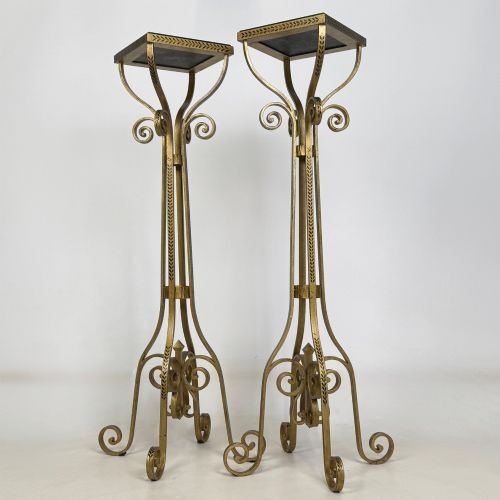
An antique iron plant stand brings sculptural form to greenery, offering sturdy tiers and scrollwork made to hold pots in conservatories or gardens.
Antique Iron Plant Stand
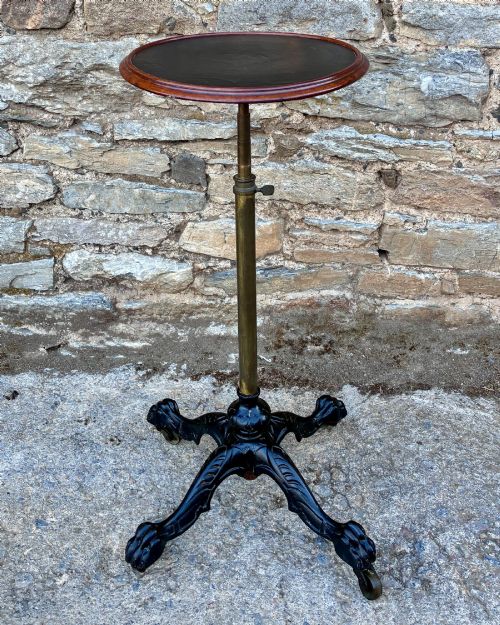
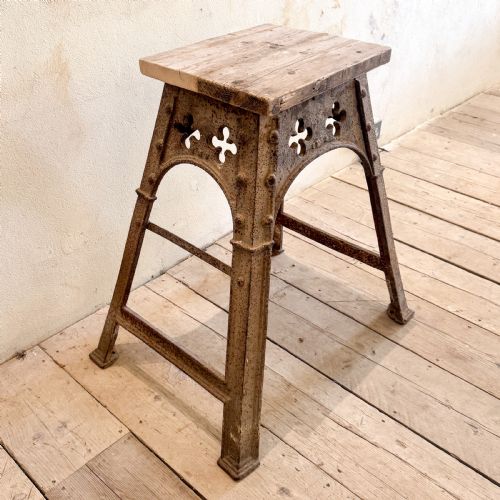
An antique iron plant stand serves as a functional display piece designed to elevate greenery and flowers within interior rooms, garden spaces, and conservatories. Buyers exploring this category encounter various structural forms, ranging from tiered wirework frames to heavy cast iron tables and tall columns.
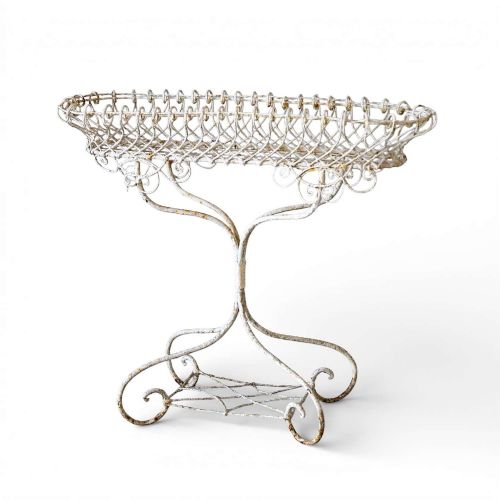
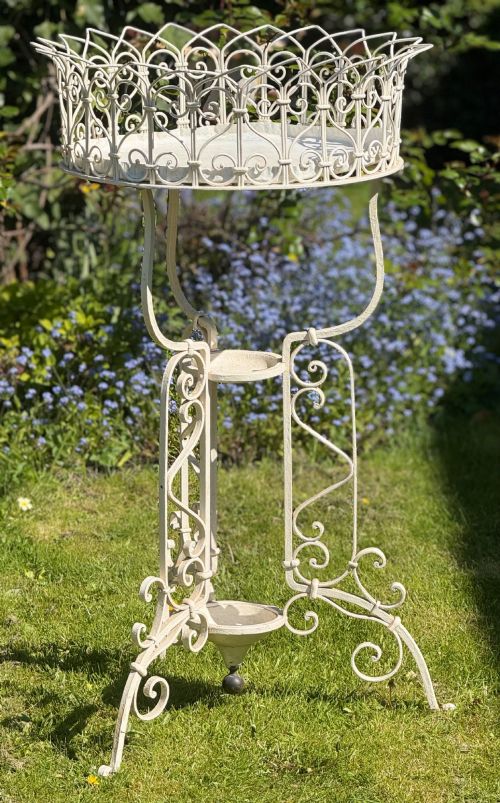
Victorian and Edwardian pieces dominate the selection, often displaying intricate scrollwork, lattice baskets, or multiple tiers for botanical arrangements. Alongside standard plant stands, related forms such as jardiniere stands, side tables, and garden urns frequently appear under this heading.
Materials and construction
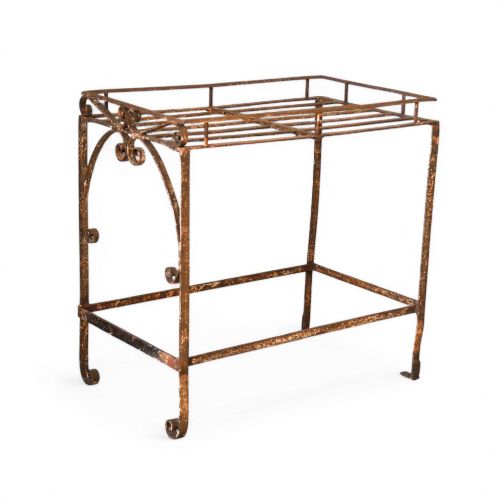
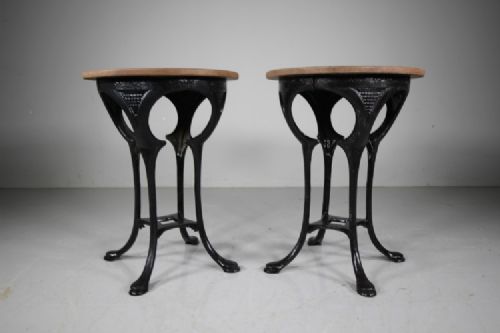
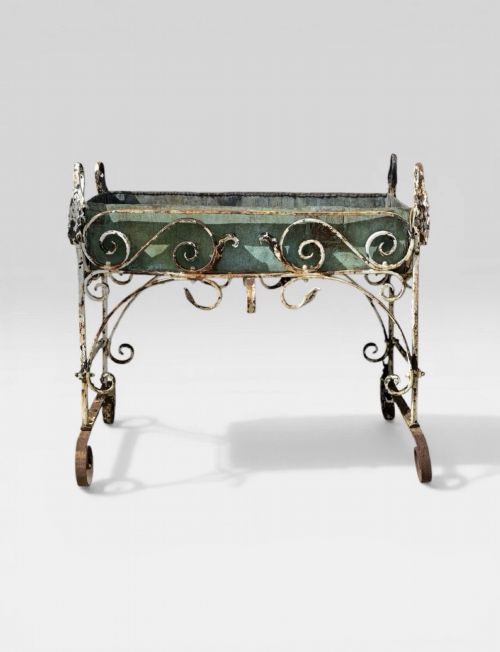
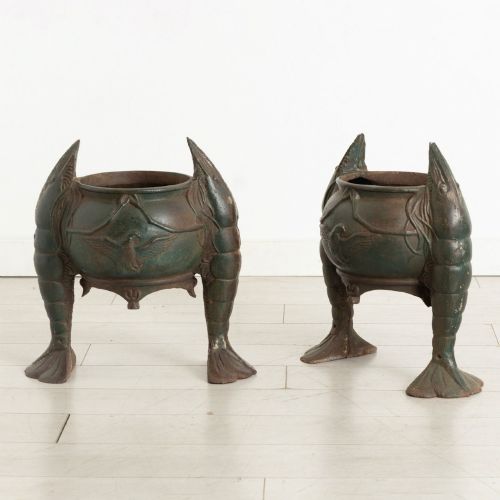
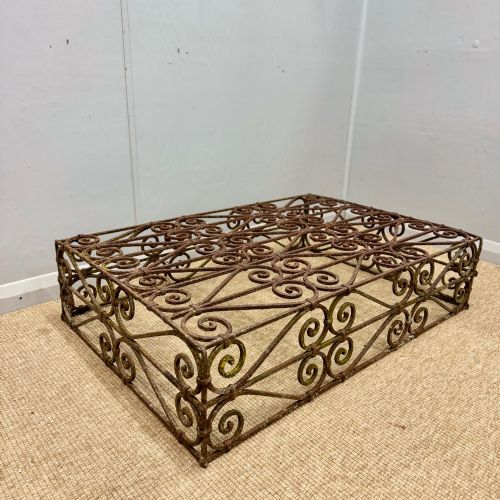
Makers utilised cast iron and wrought iron as the primary structural metals, shaping them through forging, casting, and riveting. Cast iron pieces often feature detailed ornamentation like campana urns or shrimp motifs, while wrought iron versions rely on hand-formed scrolls and lattice wirework.
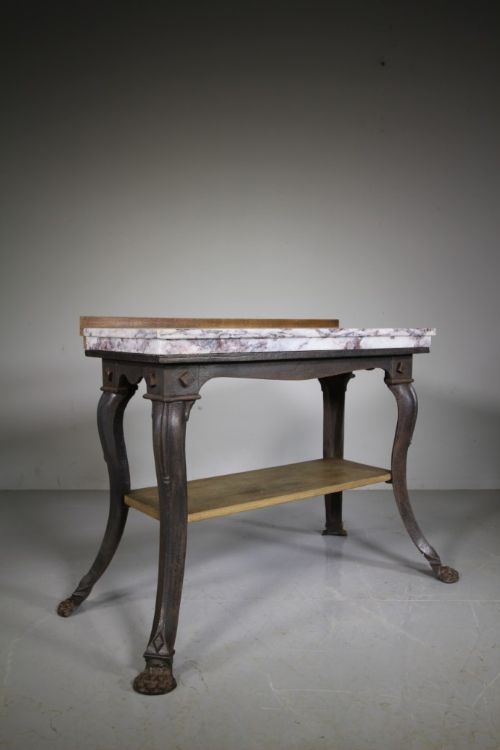
Surviving examples frequently incorporate secondary elements such as marble tops, brass fittings, or applied layers of paint to protect the metal and enhance the decorative appearance. Wirework constructions use interlaced strands of metal to create lightweight yet durable tiered plant holders.
Listings span the nineteenth and early twentieth centuries, featuring materials like wrought iron, cast iron, wirework, marble, and brass.
Assessing craftsmanship
The sophistication of the metalwork largely defines the distinction between standard production items and finer decorative examples. Pieces featuring hand-forged scrollwork, estate-made joinery, or integrated marble and brass elements show a higher level of maker artistry.
Surface preservation also plays a role, with original painted finishes, weathered patinas, and intact riveted joints indicating superior long-term survival. The complexity of the design, such as multi-tiered wirework or figural cast iron bases, separates basic utility items from ambitious conservatory furnishings.
Archibald Knox
The Antique Iron Plant Stand Glossary
- Wrought iron
- Iron that has been heated and hammered into shape by hand. This material allows for flexible scrollwork and strong structural frames.
- Cast iron
- Iron poured into a mould while molten to create decorative forms. This technique produces detailed patterns like urns and plant motifs.
- Jardiniere
- An ornamental pot or stand designed to hold large plants or flowers. These items often feature heavy ornamentation suitable for formal rooms or conservatories.
- Wirework
- Construction using interwoven metal strands to form lightweight stands and baskets. This technique creates airy, tiered structures popular in nineteenth-century gardens.
- Campana
- A bell-shaped garden urn or planter mounted on a pedestal base. These classical forms frequently appear in cast iron on Victorian garden terraces.
Antique Iron Plant Stand: Frequently Asked Questions
What periods do these iron stands come from?
The available pieces primarily date from the nineteenth and early twentieth centuries, encompassing Victorian, Edwardian, and Regency eras. Makers during these periods produced diverse forms ranging from simple wirework to ornate cast iron.
Exact dating relies on construction techniques, materials, and stylistic markers recorded in individual pieces. Many items reflect the nineteenth-century enthusiasm for conservatory gardening and decorative outdoor display.
Where were these stands used originally?
Original placements included domestic conservatories, garden terraces, entrance halls, and estate glasshouses. Owners used them to display potted plants, ferns, and flowering jardinieres.
Sturdier cast iron versions suited damp outdoor conditions, while wirework and painted stands often occupied sheltered indoor spaces. Today, buyers use them in similar domestic and garden settings.
How do I distinguish cast iron from wrought iron?
Cast iron is rigid and formed in moulds, resulting in heavier decorative details like urns, feet, and figural elements. Wrought iron involves hammered metal components that yield flexible scrolls and visible riveted joints.
Examining the texture and construction lines reveals which method the maker employed. Many pieces combine both techniques within a single frame.
Can these stands stay outside all year?
Most iron plant stands tolerate outdoor environments, though exposure to moisture leads to surface weathering and rust over time. Protective paint coatings help preserve the metal in garden settings.
Lighter wirework structures benefit from winter storage indoors or in sheltered areas to prevent corrosion. Heavier cast iron items generally withstand seasonal elements with minimal maintenance.