
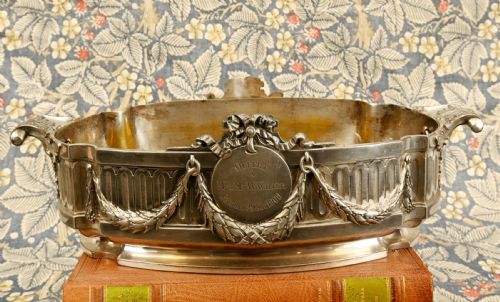
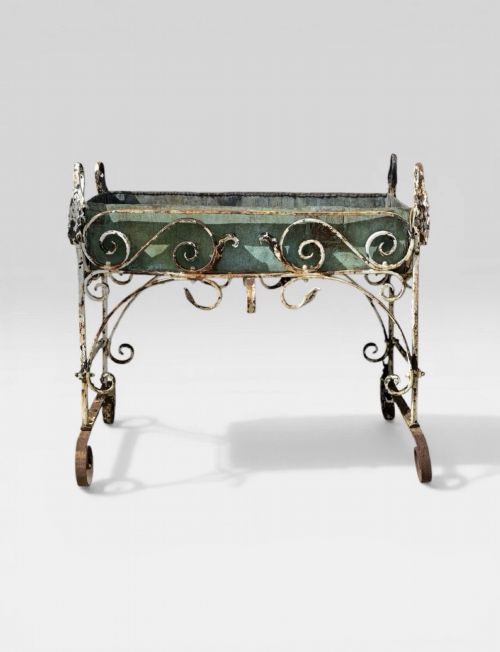


French Metal Trough Planter
A French metal trough planter brings architectural weight and planted greenery into a room, offering durability and distinct continental character.
French Metal Trough Planter
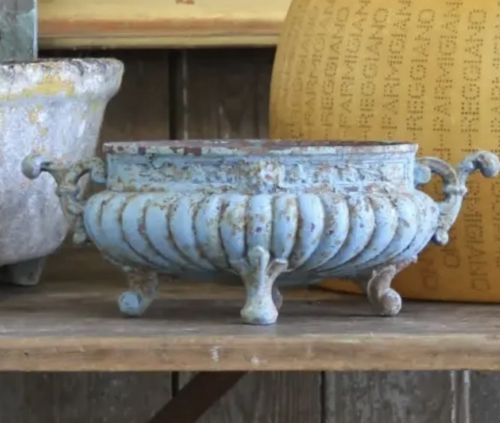
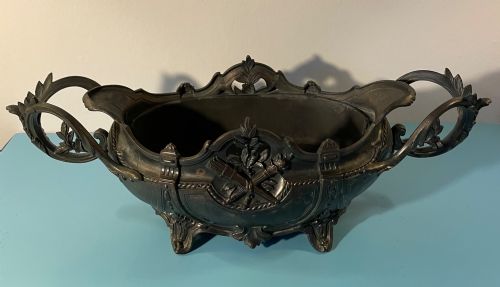
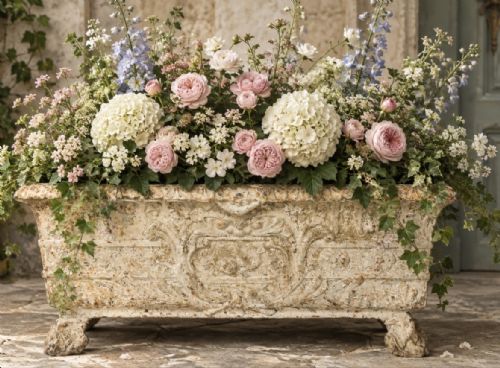
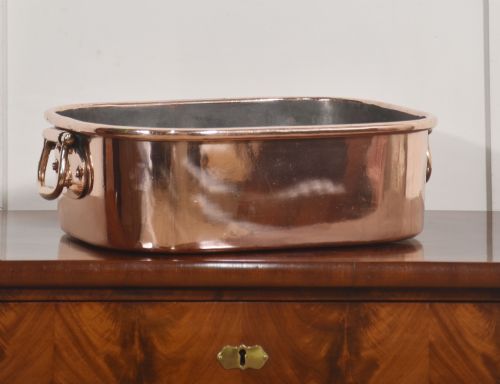
When you search for a French metal trough planter, you are looking at practical vessels designed to hold garden displays indoors and out. The selection on this page ranges from 18th century pieces to later 19th century and 1930s examples.
The forms you are most likely to meet here include jardinieres and garden planters, often constructed in heavy metals and shaped with classical or country proportions. These items bridge the gap between utilitarian garden tools and interior decorative art.
Origins span classic French styling, featuring Victorian touches, French Empire influences, and Neo-Classical or Louis XV details. They serve equally well on a patio or as a central feature in a conservatory.
Judging quality in metal planters
Quality reveals itself in the crispness of the casting and the structural integrity of the metal, where sharper definition in ornamental mounts or ironwork separates standard vessels from finer examples. Heavier gauges of zinc, copper, and cast iron indicate robust durability.
The integrity of decorative details, such as ormolu mounts or repoussé patterns, defines the upper tier of these pieces. Harmonious proportions and patination earned through age give certain examples greater visual presence.
The French Metal Trough Planter Glossary
- Jardiniere
- An ornamental pot or stand for plants, typically ceramic or metal. This term often describes larger display vessels in French interiors.
- Ormolu
- Gilded bronze used as a decorative mount on furniture and decorative objects. It provides a bright golden contrast against darker woods or metals.
- Repousse
- Metalworking technique where a design is hammered into relief from the reverse side. This creates textured, three-dimensional patterns on copper or brass.
- Neo-Classical
- A style inspired by the classical art and architecture of ancient Greece and Rome. It emphasises symmetry, straight lines, and restrained ornamentation.
- Louis XV Style
- An asymmetrical Rococo style known for curved lines and natural motifs such as leaves and shells. It appears frequently in 19th century decorative arts.
French Metal Trough Planter: Frequently Asked Questions
Where should I place a metal planter?
These vessels suit conservatories, patios, and living rooms where plants require a decorative housing. Their durable metal construction handles both indoor humidity and sheltered outdoor conditions.
Ensure the surface beneath the planter is protected if moisture escapes the base. Larger pieces function well as floor-standing focal points.
How do I care for antique metal planters?
Keep the metal clean with a soft, dry cloth to prevent dust accumulation. Avoid harsh chemical cleaners that might strip away historical patination or painted finishes.
If used for live planting, insert a secondary liner inside the metal trough to protect the interior from constant moisture and soil contact.
What is the difference between cast iron and zinc?
Cast iron offers immense weight and rigid structural strength, making it ideal for heavy garden urns and large troughs. Zinc provides lighter handling and natural resistance to corrosion.
Both materials weather differently over time, with iron developing traditional oxidation and zinc acquiring a soft grey matte finish.
How can I tell the period of a planter?
Examine the manufacturing techniques and stylistic clues such as Neo-Classical symmetry or Louis XV curves. Heavier hand-worked details often point towards 19th century craftsmanship.
Compare the surface patination and joinery methods against known historical examples from similar decades to confirm the age.